


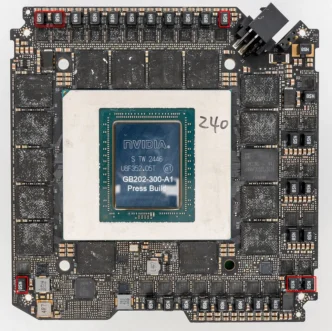
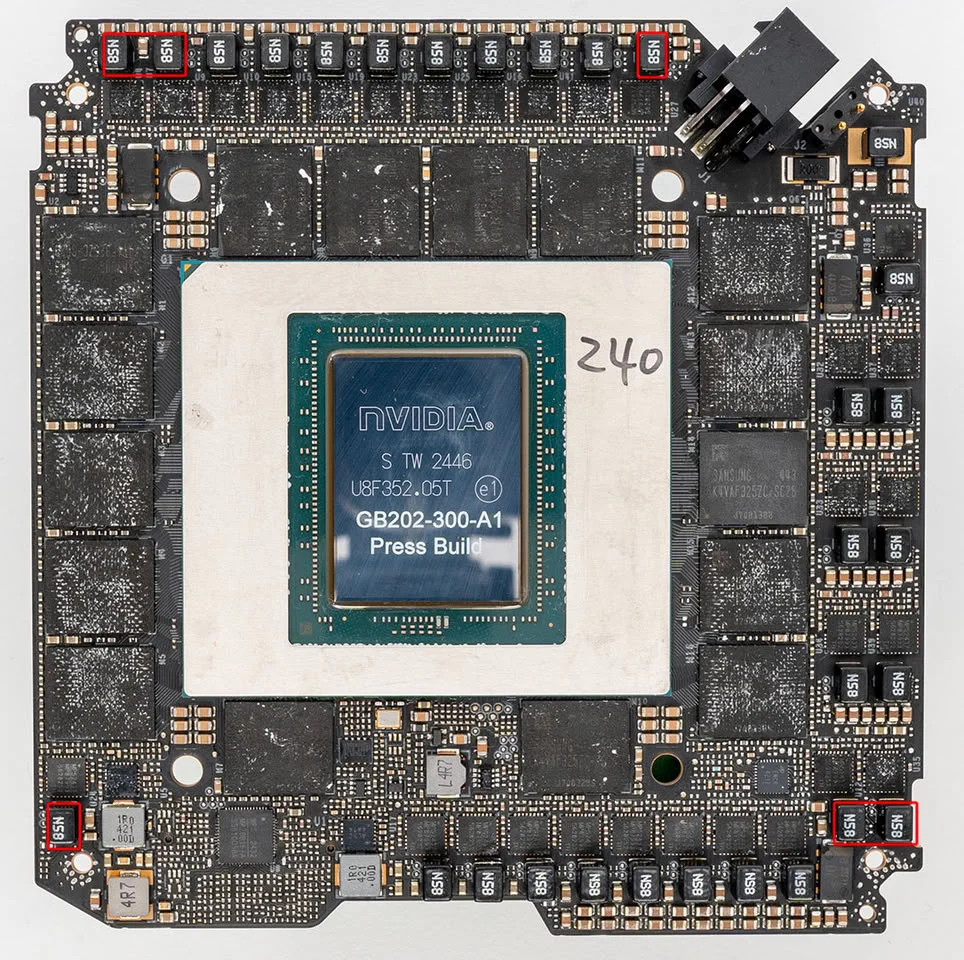
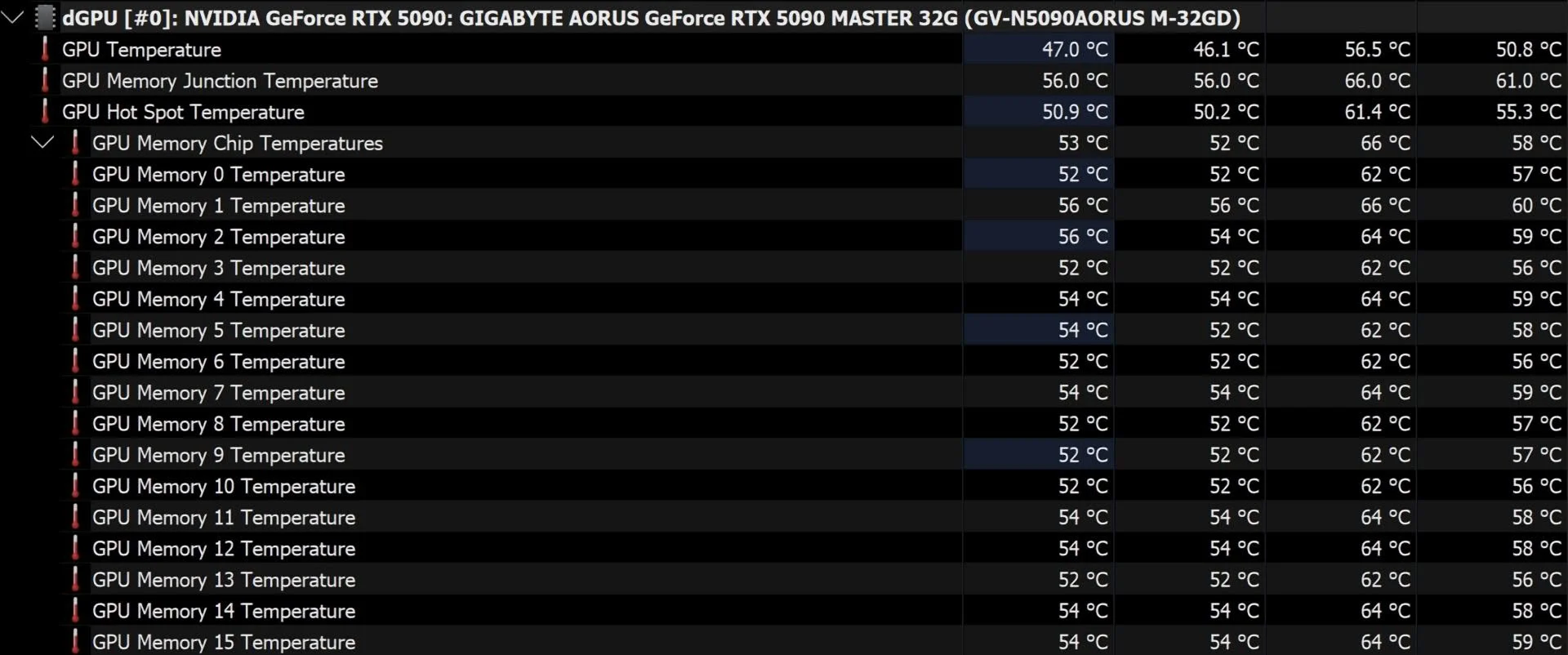
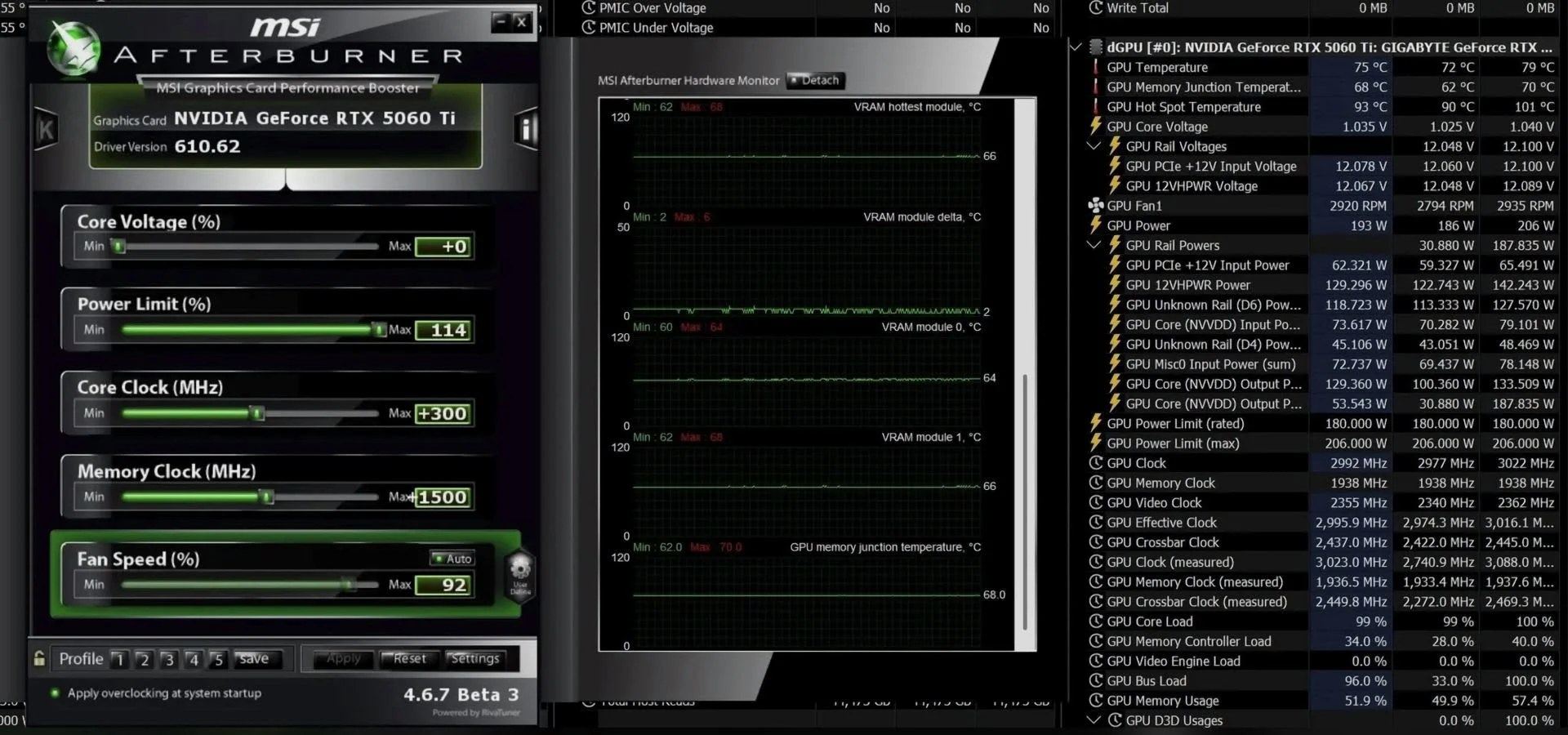
A collaborative effort by the tech modding community has successfully unlocked per-module GDDR7 temperature monitoring for NVIDIA’s GeForce RTX 50 “Blackwell” series. By developing a specialized plugin for MSI Afterburner, enthusiasts can now access individual thermal data previously hidden by the manufacturer, significantly enhancing the ability to diagnose hardware cooling issues.
Key takeaways
- Collaborative development: Experts including MSI Afterburner’s “Unwinder” and HWiNFO’s Martin Malík created a plugin to access hidden registers.
- Enhanced diagnostics: Users can now identify uneven cooler pressure or faulty thermal pads by monitoring individual memory module temperatures.
- Clamshell support: The tool accounts for complex memory layouts found on certain Blackwell GPUs.
The power of community collaboration
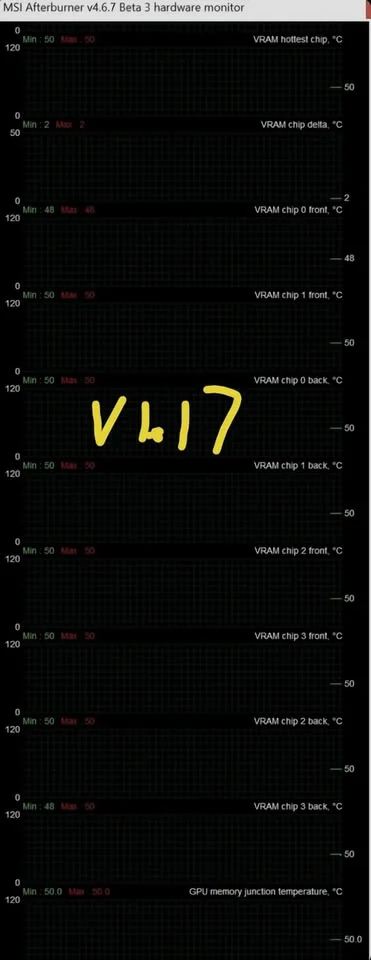
The breakthrough was made possible by a diverse group of specialists, including Brazilian GPU repair expert Paulo Gomes, MSI Afterburner developer “Unwinder,” and HWiNFO creator Martin “Mumak” Malík. By pooling their expertise, the team successfully reverse-engineered access to the memory registers on Blackwell cards. They updated the existing Hotspot.dll plugin, which was previously limited to GPU die temperatures, to now include granular GDDR7 thermal readings. This development highlights the effectiveness of the independent modding community in providing features that manufacturers often leave undocumented.
Why per-module monitoring matters
Accessing individual memory module temperatures is a significant upgrade for power users and hardware enthusiasts. Previously, users were often limited to general hotspot or junction temperatures, which could mask localized overheating. With the new plugin, users can detect if a specific memory module is running significantly hotter than others, which is a common indicator of poor thermal pad contact, degraded thermal material, or uneven mounting pressure. This level of detail is invaluable for troubleshooting, especially for those looking to optimize their cooling solutions or verify the integrity of their GPU after a thermal pad replacement.
Navigating complex memory configurations
One of the primary challenges the developers faced was the variety of PCB designs within the RTX 50 series. Some models utilize a “clamshell” memory configuration, where GDDR7 modules are placed on both the front and back of the printed circuit board. The new tool is designed to interpret these complex layouts, ensuring that users receive accurate data regardless of the card’s physical configuration. While NVIDIA has not officially commented on why these sensors were restricted, the community’s ability to unlock them demonstrates that the necessary hardware telemetry has been present in the Blackwell architecture all along, waiting to be exposed through software.
Via VideoCardz