


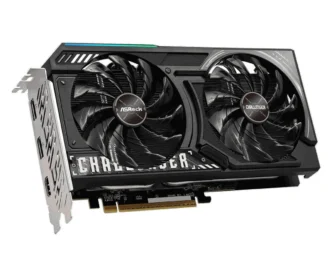
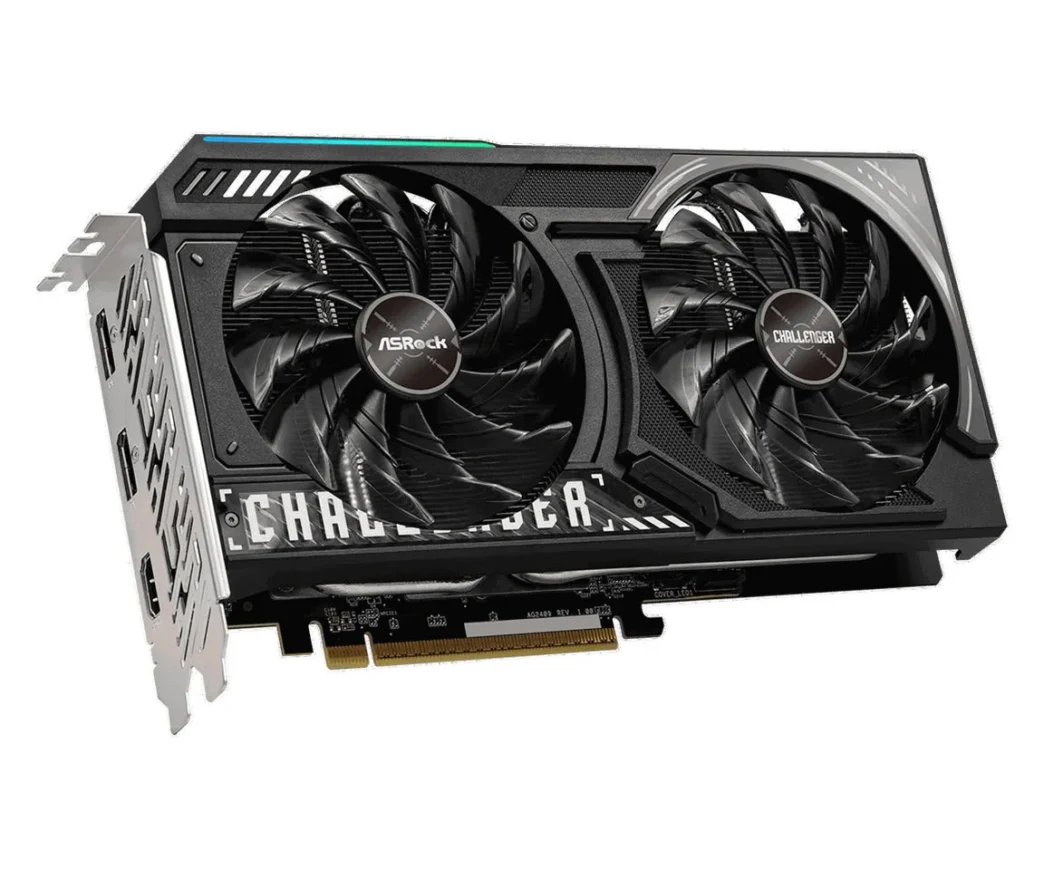
AMD has quietly introduced its latest entry-level RDNA 4 graphics card, the Radeon RX 9050, appearing in both 4GB and 8GB configurations. While the 8GB model offers a standard 128-bit memory bus, the 4GB variant relies on a restrictive 64-bit interface, signaling a return to budget-focused, low-capacity VRAM hardware for the 2026 market.
Key takeaways
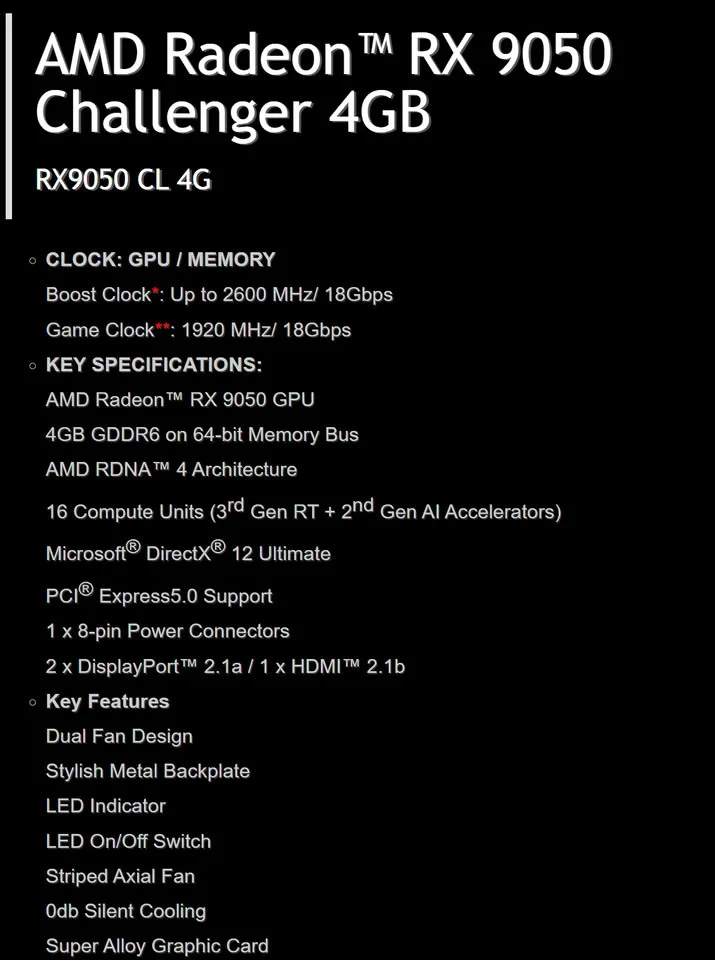
- The RX 9050 features 1,024 stream processors spread across 16 compute units.
- Available in 4GB (64-bit) and 8GB (128-bit) GDDR6 memory configurations.
- Designed for entry-level tasks with a 450W power supply recommendation.
- Market availability may be initially limited to specific regions or OEM prebuilt systems.
Technical specifications and performance
The RX 9050 is built on the RDNA 4 architecture, utilizing a cut-down Navi 44 GPU. With 1,024 stream processors, it provides a significantly trimmed-down experience compared to the higher-tier RX 9060 series. The card features a 1,920 MHz game clock and a boost clock reaching 2,600 MHz. While it supports modern RDNA 4 features like advanced ray tracing and AI acceleration, its performance is strictly targeted at entry-level 1080p gaming and general desktop productivity.
The return of 4GB VRAM
The inclusion of a 4GB variant has sparked significant debate, as this memory capacity has been largely absent from the discrete GPU market since 2022. By utilizing a 64-bit memory bus, the 4GB model is limited to 144 GB/s of bandwidth, which is exactly half of the 8GB version’s 288 GB/s throughput. Industry analysts suggest this design choice is a response to ongoing memory component shortages, allowing manufacturers to reduce production costs for budget-conscious OEM systems. However, users may find the 4GB limit restrictive for modern gaming titles.
Market positioning and availability
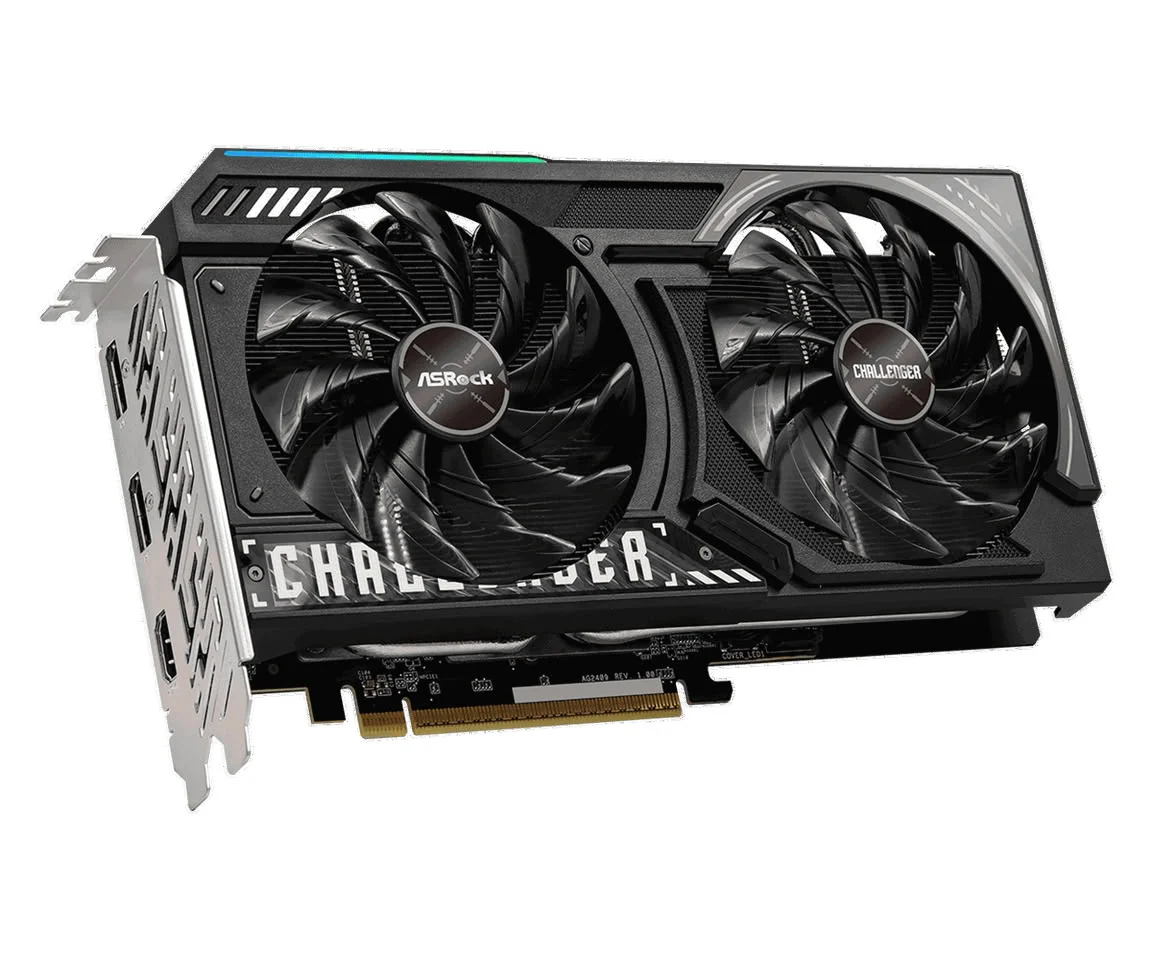
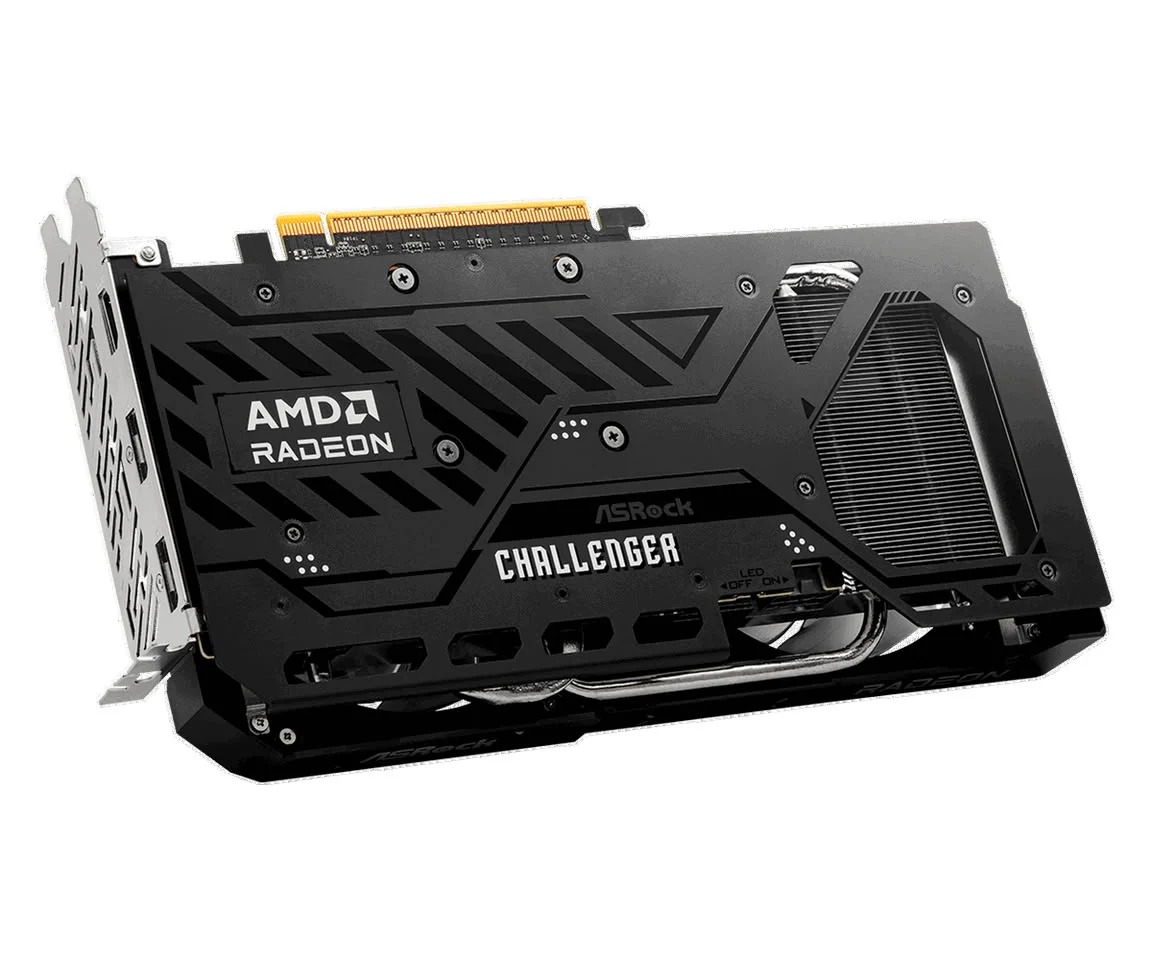
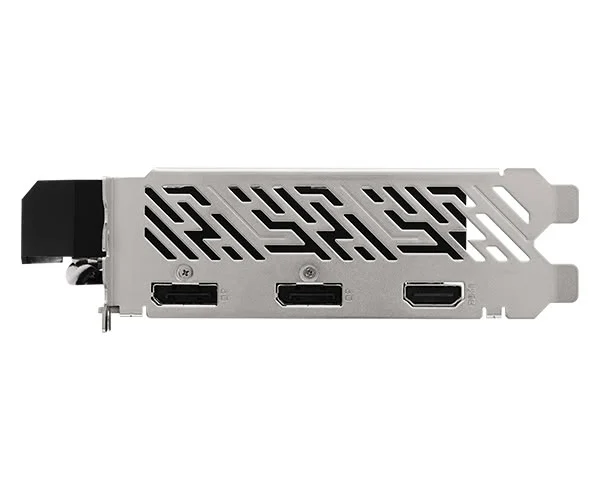
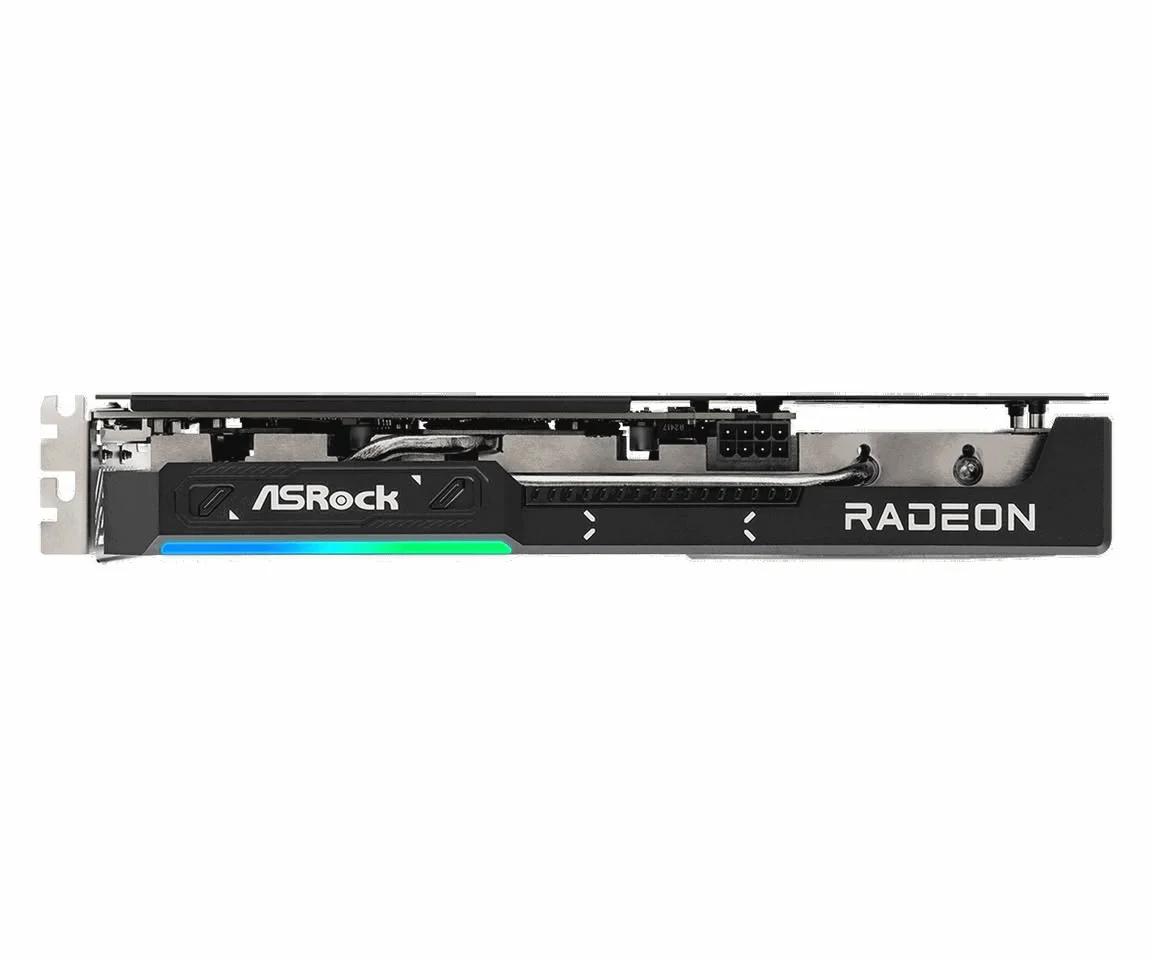
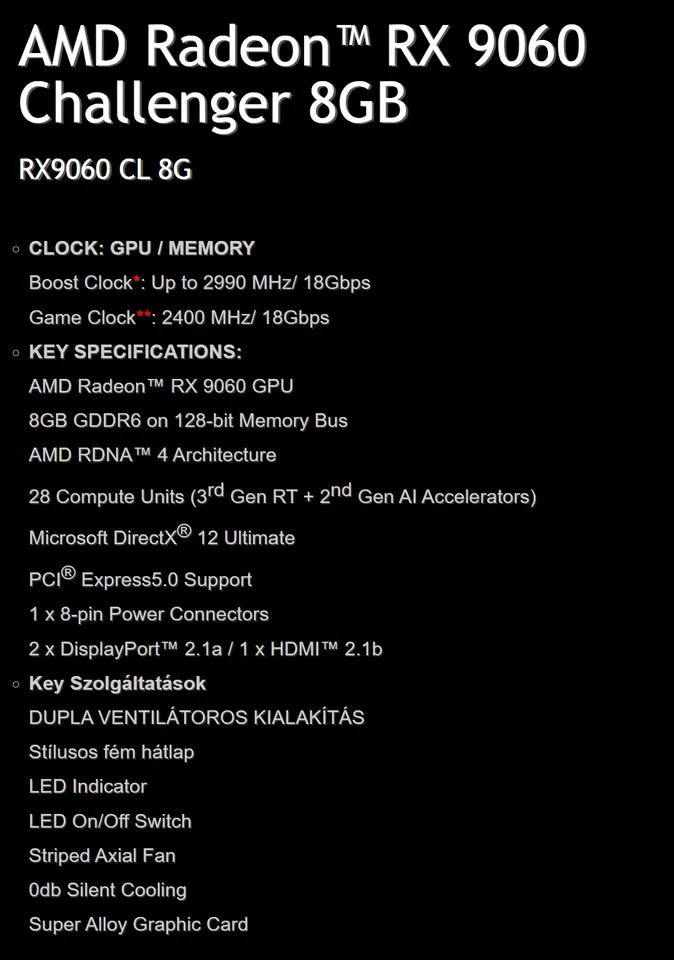
ASRock has been the first to list the card under its Challenger line, though official pricing and global availability details from AMD remain sparse. Current reports indicate the card may be initially limited to OEM prebuilt systems, such as those found at major retail outlets. With no official MSRP confirmed, the market reception will likely depend on whether these cards are positioned as affordable entry-level solutions or if their performance-to-price ratio will struggle to compete with existing hardware options in the current climate.
Via ASRock