


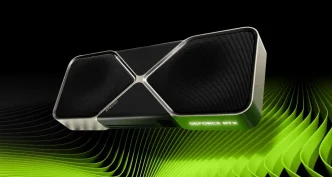

Reports indicate NVIDIA may raise prices for its GeForce RTX graphics cards by another 20% to 30% in 2026, potentially marking the company’s third increase this year. The reported move is tied to sharply higher GDDR6 and GDDR7 costs, with board partners expected to pass much of the increase on to consumers once existing inventory runs out.
Key takeaways
- The reported increase could affect the full RTX 50-series lineup, not only flagship models.
- NVIDIA’s partner pricing may rise by 20% to 30%, with retail prices likely to follow.
- Memory availability and pricing are reportedly being planned month by month.
- Analysts cited in the reports expect the consumer GPU market to contract by 10% to 20%.
The reports describe the planned adjustment as another increase in NVIDIA’s GPU kit prices—the combined package of a graphics processor and its memory that NVIDIA sells to add-in-board manufacturers. The company has not publicly confirmed the rumored change.
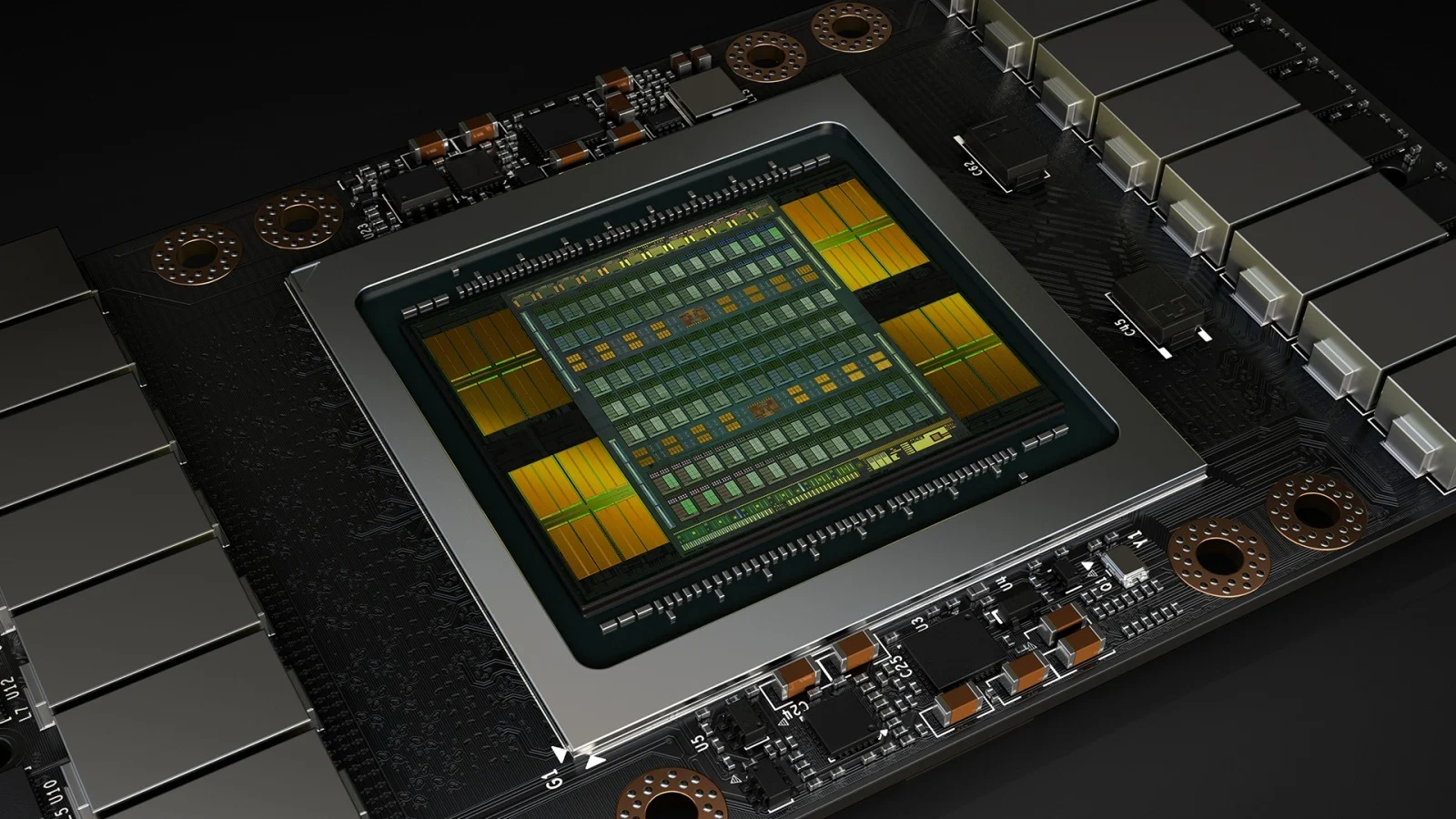
Rising GDDR6 and GDDR7 costs are at the center
The latest pricing pressure appears to be affecting both newer GDDR7 products and older GDDR6-based cards. Some industry estimates cited by the reports place 3GB GDDR7 modules at roughly $60 to $70 each, compared with about $20 for commonly used 2GB modules. That difference could have an especially large effect on high-capacity and high-end graphics cards.
Other components, including printed circuit boards, cooling systems and packaging, are also reportedly becoming more expensive. However, memory is considered the main driver behind the current cost increases.
The entire RTX 50 lineup could be affected
Earlier adjustments were reported to have focused more heavily on expensive models such as the RTX 5090. This time, the reported increase could extend across the broader RTX 50 family. If NVIDIA applies the same percentage to every model, higher-end cards could still experience the largest dollar increases because memory represents a greater portion of their bill of materials.

The timing remains uncertain. Reports suggest the change could take effect in the coming weeks or months, after current partner inventory has been sold. Pricing has reportedly already risen in parts of China, with some partner cards selling well above their original suggested prices.
Potential impact on gamers and PC makers
A 20% to 30% increase at the supplier level would not necessarily translate into an identical increase at every retailer. Board partners and sellers may absorb some of the cost, while limited supply, currency movements and regional taxes could produce different results. Still, the direction would likely be upward for new cards.
The pressure could also affect future products. A rumored RTX 50-series SUPER refresh may face delays or revised configurations if higher-capacity GDDR7 remains too expensive. System builders could respond by reducing production of lower-margin models or prioritizing premium cards.
For consumers, the situation makes discounted current inventory more valuable, but buying immediately is not guaranteed to be the best choice. If demand weakens significantly, retailers could eventually offer promotions; if supply remains constrained, prices may stay elevated. The reports suggest that memory-market conditions could remain difficult through 2028, keeping uncertainty high for the PC hardware market.