


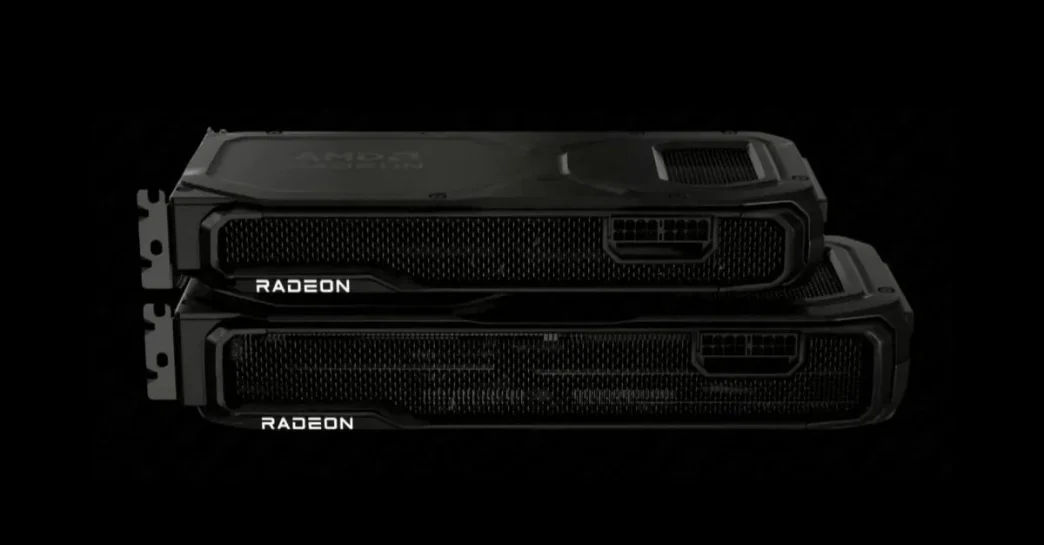
AMD is reportedly preparing to raise the prices it charges board partners for Radeon GPU and memory bundles by at least 10% in August. The rumored move follows similar reported increases from NVIDIA and could eventually push retail Radeon graphics cards higher, although existing inventory may delay the impact for buyers.
Key takeaways
- AMD has reportedly notified add-in-board partners of an increase of at least 10% in August.
- The adjustment concerns bundled GPU cores and GDDR6 memory supplied to manufacturers.
- Higher-VRAM models could face larger absolute price increases.
- Retail pricing may not change immediately because older inventory remains in distribution channels.
- AMD has not publicly confirmed the reported adjustment.
What is reportedly changing
The rumored increase applies to AMD’s GPU kits, which combine a graphics processor with the memory supplied to Radeon board manufacturers. These kits are purchased by add-in-board partners that produce finished cards for retailers and consumers.
Reports citing supply-chain and board-partner information say AMD finalized the change earlier but delayed implementation until August. The company reportedly chose to wait because of weak consumer demand, price sensitivity and existing inventory that still needed to move through the channel.
Why memory matters
GDDR6 memory is a significant component of a graphics card’s bill of materials, and higher-capacity products require more memory chips. As a result, a uniform percentage increase in the kit price could translate into a larger dollar increase for cards with 16 GB or more of VRAM than for lower-capacity entry-level models.
The reported adjustment is linked to broader pressure on memory and semiconductor supply. AMD obtains GPU dies from TSMC and works with major memory suppliers, including SK hynix, Micron and Samsung, for GDDR6 components.
NVIDIA’s role in the timing
The reports claim AMD waited for NVIDIA to raise its own GPU kit prices before changing its pricing. NVIDIA has reportedly notified partners of higher costs for GeForce products using both GDDR6 and GDDR7 memory.
By delaying its move, AMD may have sought to protect Radeon’s competitiveness while NVIDIA’s pricing remained unchanged. With both companies reportedly raising partner costs, Radeon and GeForce products could move closer together in their respective market segments.
What shoppers should expect
A 10% increase in AMD’s supply price does not necessarily mean every Radeon card will become 10% more expensive at retail. Board design, cooling, distribution, retailer margins, currency movements and promotions also affect final pricing.
Existing stock was manufactured at earlier costs and could remain available at current prices until it sells through. Any retail impact would likely appear gradually as distributors receive newly produced cards. AMD’s Radeon RX 9070-series products, particularly higher-memory versions, could be among the models most exposed if the increase is implemented.
For now, the report remains unconfirmed. AMD has not announced new retail prices or identified specific models and regions affected by the alleged August change.
Via VideoCardz