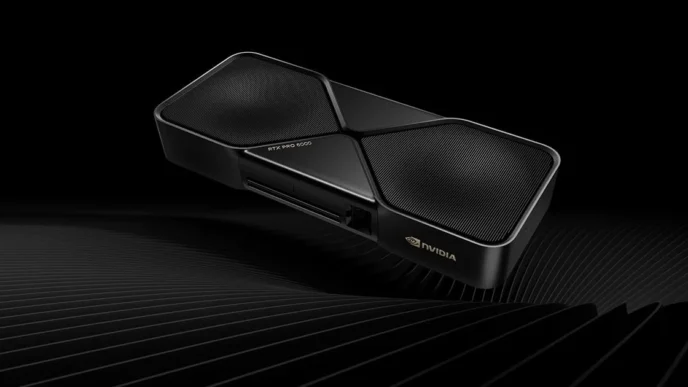
NVIDIA’s GeForce RTX 50-series graphics cards became substantially more expensive across US retail listings in August 2026. Median Newegg prices rose as much as 39% from June, with the RTX 5060 Ti 16GB and RTX 5070 hit hardest. AI-related demand, memory costs, and constrained supply are putting additional pressure on PC builders and gamers.
Key takeaways
- The RTX 5060 Ti 16GB recorded the largest increase, reaching a median $804.99.
- The RTX 5070 rose 36% to $899.99, while the RTX 5060 climbed 27% to $469.99.
- The RTX 5090’s median price reached $4,699.99—about 135% above its $1,999 launch MSRP.
- Median prices reflect listed products and do not mean every available card costs the same.
The figures are based on price tracking across Newegg listings, using median values rather than the lowest advertised price. That approach is intended to represent the price buyers are more likely to encounter for in-stock add-in-board models, including premium variants that may be more widely available than MSRP-targeted cards.
Midrange Blackwell cards see the sharpest increases
The largest changes occurred in the middle of NVIDIA’s lineup. The RTX 5060 Ti 16GB rose from $569.99 in June to $804.99 in August, a 39% increase. The RTX 5070 moved from $659.99 to $899.99, while the RTX 5060 increased by $100 to $469.99.
| GPU | June median | August median | Change |
|---|---|---|---|
| RTX 5050 | $299.99 | $314.99 | 5% |
| RTX 5060 | $369.99 | $469.99 | 27% |
| RTX 5060 Ti 8GB | $469.99 | $529.99 | 13% |
| RTX 5060 Ti 16GB | $569.99 | $804.99 | 39% |
| RTX 5070 | $659.99 | $899.99 | 36% |
| RTX 5070 Ti | $1,099.99 | $1,099.99 | 0% |
| RTX 5080 | $1,461.99 | $1,499.99 | 3% |
| RTX 5090 | $4,299.99 | $4,699.99 | 9% |
The RTX 5050 was comparatively stable at roughly $315, while the RTX 5070 Ti also showed no change in the tracked median. However, both remain above their launch pricing, limiting their value for gaming-focused upgrades.
AI demand adds pressure to consumer supply
Industry reports point to AI workloads as a major contributor to the market strain. With dedicated enterprise accelerators difficult to obtain, some organizations and startups are reportedly purchasing consumer Blackwell GPUs for local model training and inference. This creates additional competition for cards originally intended for gaming PCs.
Memory costs are another factor. RTX 50-series products use GDDR7, and cards with larger memory capacities require more expensive components. That helps explain why the 16GB RTX 5060 Ti experienced a sharper increase than several lower-memory models, although supply and retailer pricing decisions also affect the final street price.
AMD alternatives gain attention
AMD’s Radeon RX 9000-series pricing has not followed NVIDIA’s increases to the same extent in the cited US tracking. Some Radeon models have seen modest increases or reduced availability, but the RX 9070 GRE in particular remains positioned near its launch price and now looks more competitive against the RTX 5070.
For ThinkComputers readers planning a new build, the current data favors delaying an upgrade when possible, comparing multiple retailers, or considering AMD and Intel alternatives. Buyers who need NVIDIA-specific features such as CUDA, DLSS, or advanced ray tracing may have fewer practical options, but should evaluate total performance per dollar rather than relying on MSRP claims that no longer reflect typical retail pricing.
Via Tom’s Hardware