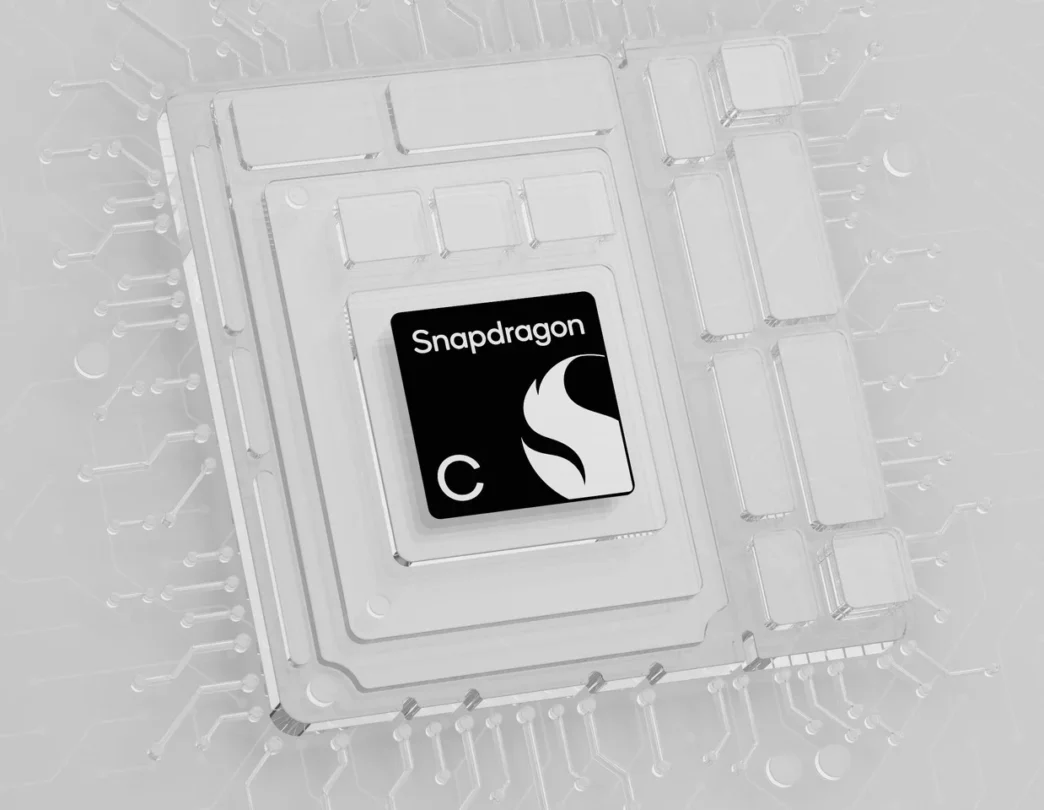
Qualcomm is expanding its Windows-on-Arm strategy into the entry-level laptop market with Snapdragon C, an 8-core platform designed for systems starting at about $300. The company claims substantially higher battery performance and efficiency than Intel’s N250, although the published comparisons cover battery operation and leave plugged-in performance unresolved.
Key takeaways
Qualcomm’s budget platform is aimed at students, families, small businesses, and other users seeking basic productivity at a low price. The main points are:
- Eight-core Kryo CPU with up to 3.0 GHz single-core and 2.0 GHz multi-core clocks
- Integrated Adreno graphics and a Hexagon NPU
- Support for up to 16GB of LPDDR4x, LPDDR5, or LPDDR5x memory
- Claimed battery performance gains of up to 67% over Intel’s N250
- Laptops planned from Acer, ASUS, HP, and Lenovo
The specifications suggest Snapdragon C is intended to deliver a more modern experience than many existing entry-level notebooks, while keeping platform costs low.
Snapdragon C specifications
The SoC uses Qualcomm’s Kryo CPU architecture and includes 2MB of total cache. Qualcomm lists a maximum single-core frequency of 3.0 GHz, while multi-core operation is rated at up to 2.0 GHz. Its technical materials also reference three cores reaching 2.6 GHz, but the company has not clearly explained how all eight cores are configured simultaneously.
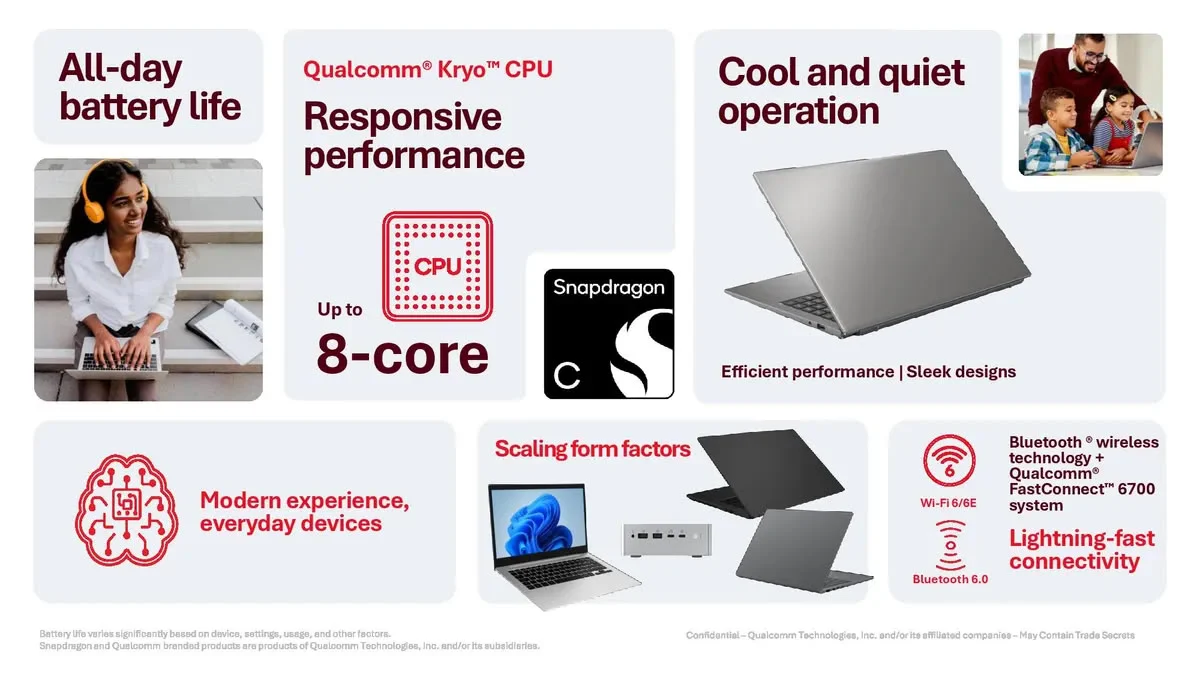
Graphics are handled by an integrated Adreno GPU running at up to 900 MHz. The platform includes a Hexagon NPU for AI workloads, although Qualcomm has not provided a TOPS rating. Display support includes internal panels up to FHD+ at 120Hz and external 4K output at 60Hz.
Memory capacity can reach 16GB, with support for LPDDR4x, LPDDR5, and LPDDR5x. Storage options include PCIe 3.0 NVMe drives, UFS 2.2 or 3.1, and SD card support. Systems can also include Wi-Fi 6 or 6E, Bluetooth 6.0, two USB-C ports, and two USB-A ports.
Qualcomm’s performance claims
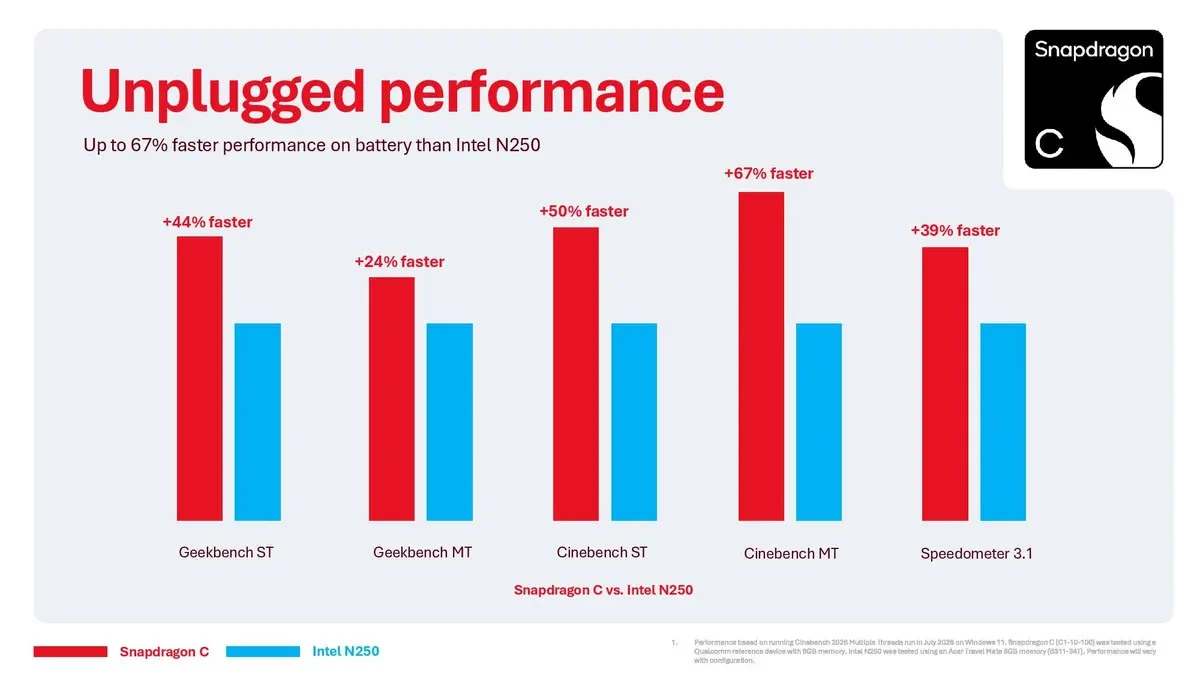
Qualcomm compared an 8GB Snapdragon C reference system with an Acer laptop using Intel’s four-core N250 and 8GB of memory. On battery power, Snapdragon C reportedly delivered 44% higher single-core and 24% higher multi-core Geekbench results. Cinebench showed larger gains, with claimed advantages of 50% in single-threaded testing and 67% in multi-threaded performance. Speedometer 3.1 was reportedly 39% faster.
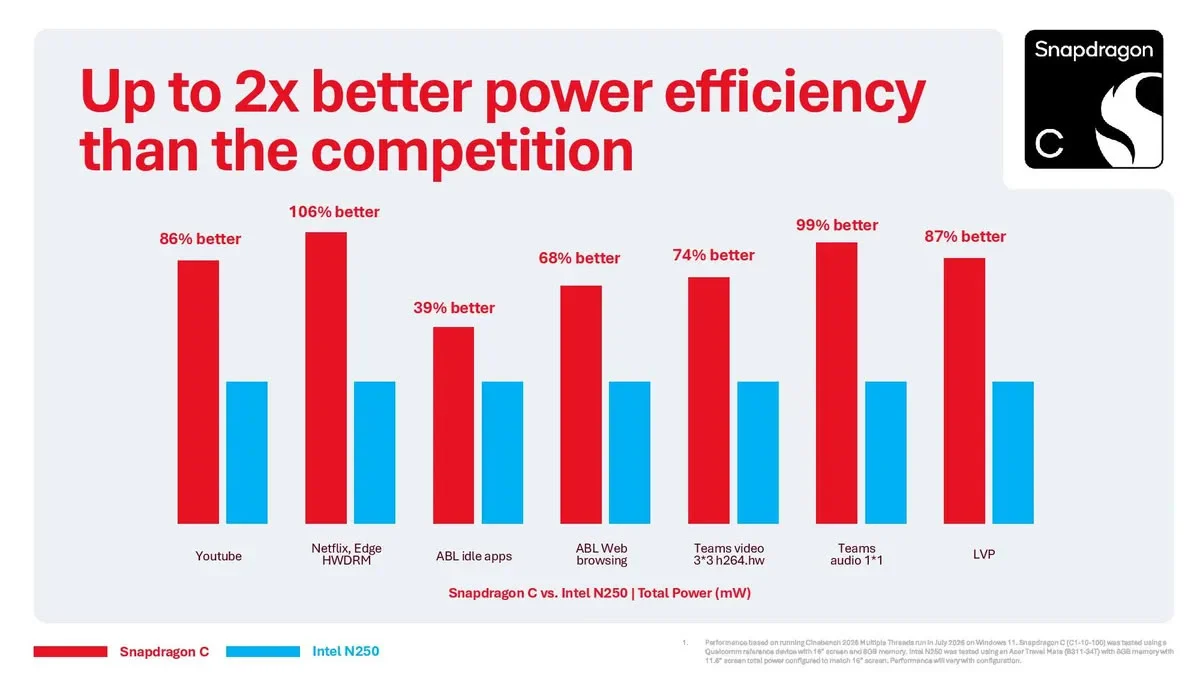
The company also claims up to 2.1 times better power efficiency. Its workload results include 106% higher efficiency during Netflix playback, 68% during web browsing, and 74% during Teams video calls. These figures are Qualcomm’s own results and will require independent testing across retail configurations.
Battery life and Windows compatibility
Qualcomm is promoting “all-day” battery life but is not specifying a fixed runtime because manufacturers will use different displays, batteries, storage devices, and thermal designs. The reference comparison also involved different screen sizes, making direct battery-life conclusions difficult.

Windows-on-Arm compatibility remains another consideration. Qualcomm says the platform supports thousands of commonly used applications, including Chrome, Excel, Spotify, Instagram, and Zoom. Native support and emulation performance may still vary by application, particularly for specialist software, older utilities, and some games.
First laptops and market position
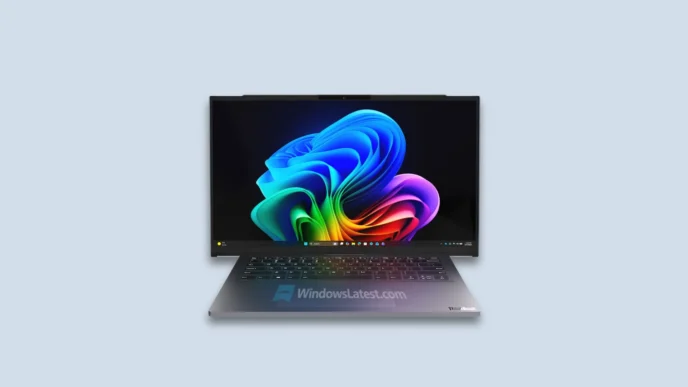
Acer has shown an Aspire Go 15 configuration with 8GB of memory and a 512GB SSD, while ASUS, HP, and Lenovo are also expected to release Snapdragon C systems. Exact launch dates and retail prices have not been confirmed.
The roughly $300 target places Snapdragon C against Intel N250-based laptops, many of which use modest memory and storage configurations. Qualcomm’s claims could make the platform attractive for portable productivity, but independent benchmarks, real battery testing, application compatibility checks, and final system pricing will determine whether it can meaningfully improve the budget laptop market.
Via Tom’s Hardware