


An RTX 5090 owner has added a custom daughterboard with two PCIe 8-pin power inputs to reduce the load on the card’s 16-pin power connection. The modder says the wires stayed below 40°C during a 48-hour test at 550W. The result is promising, but it is a self-reported test—not proof of long-term reliability or a simple DIY fix.
Key takeaways
- The modification routes power through the original 12V-2×6 connector and two added 8-pin inputs.
- The modder reported wire temperatures below 40°C during a 48-hour, 550W load.
- The design requires soldering to the graphics card, and its long-term safety and warranty status remain uncertain.
How the daughterboard works
Reddit user DallasGrave shared the modification, which uses a small pickup PCB soldered to contacts at the RTX 5090’s 16-pin connector. That board feeds a second PCB mounted on the card, where two 8-pin PCIe power sockets are installed. The original connector remains in use, so power is distributed across three inputs rather than relying on it alone.
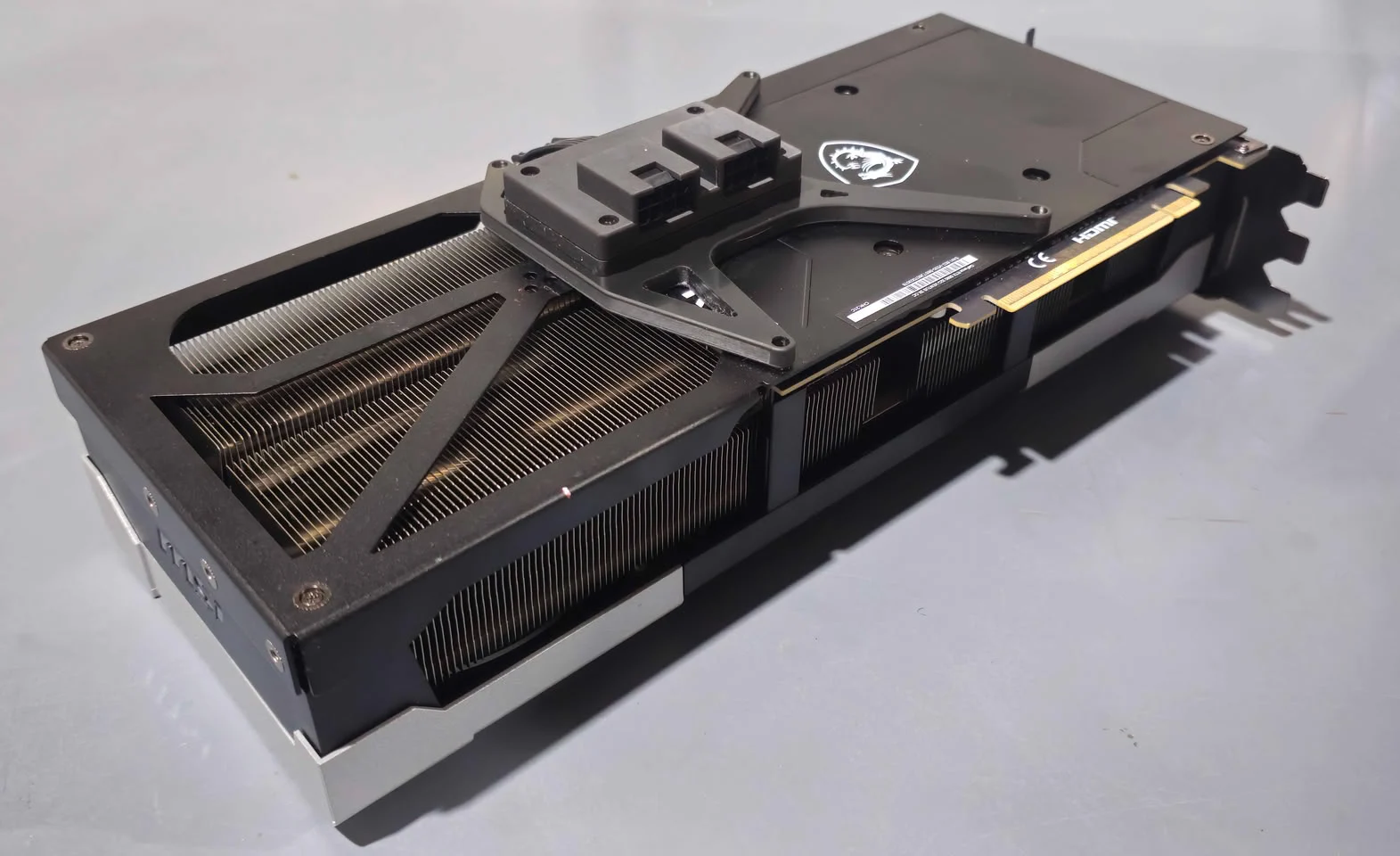
The modder said the conductors carried roughly 3 amps each. The precise split of power across the three inputs and the board’s protection components have not been independently documented. The added hardware appears custom-made for the card, rather than a commercially available accessory.
What the stress test showed
DallasGrave reported running the GPU at a sustained 550W load for 48 hours, with wire temperatures staying below 40°C, including at the joint. That is a notable result given reports of overheated RTX 5090 power connections, but the figures come from the modder; further test details and independent measurements have not been provided.
The test also does not establish how the modification performs over months of use, under different workloads, or with other power supplies and cabling. Temperature readings alone cannot confirm that every connection or component is operating safely in all conditions.
A promising but invasive modification
The 12V-2×6 connector was introduced as a revision to the 16-pin design, yet reports of melted RTX 5090 connectors have continued. High current and poor or uneven contact can create resistance and heat at a connection, making secure seating and sound electrical contact important. Adding more power inputs may reduce the load on the original connector, but it does not make this soldered modification risk-free.
For PC builders, this is an enthusiast experiment to watch—not a recommended home repair. Altering a graphics card’s power circuitry could damage the GPU and may affect warranty coverage. DallasGrave has said a PNY-specific version with warranty coverage may be offered through a partnership, but buyers should wait for published product details and terms before relying on that claim. ThinkComputers will be watching for independent testing and any commercially supported version of the design.