


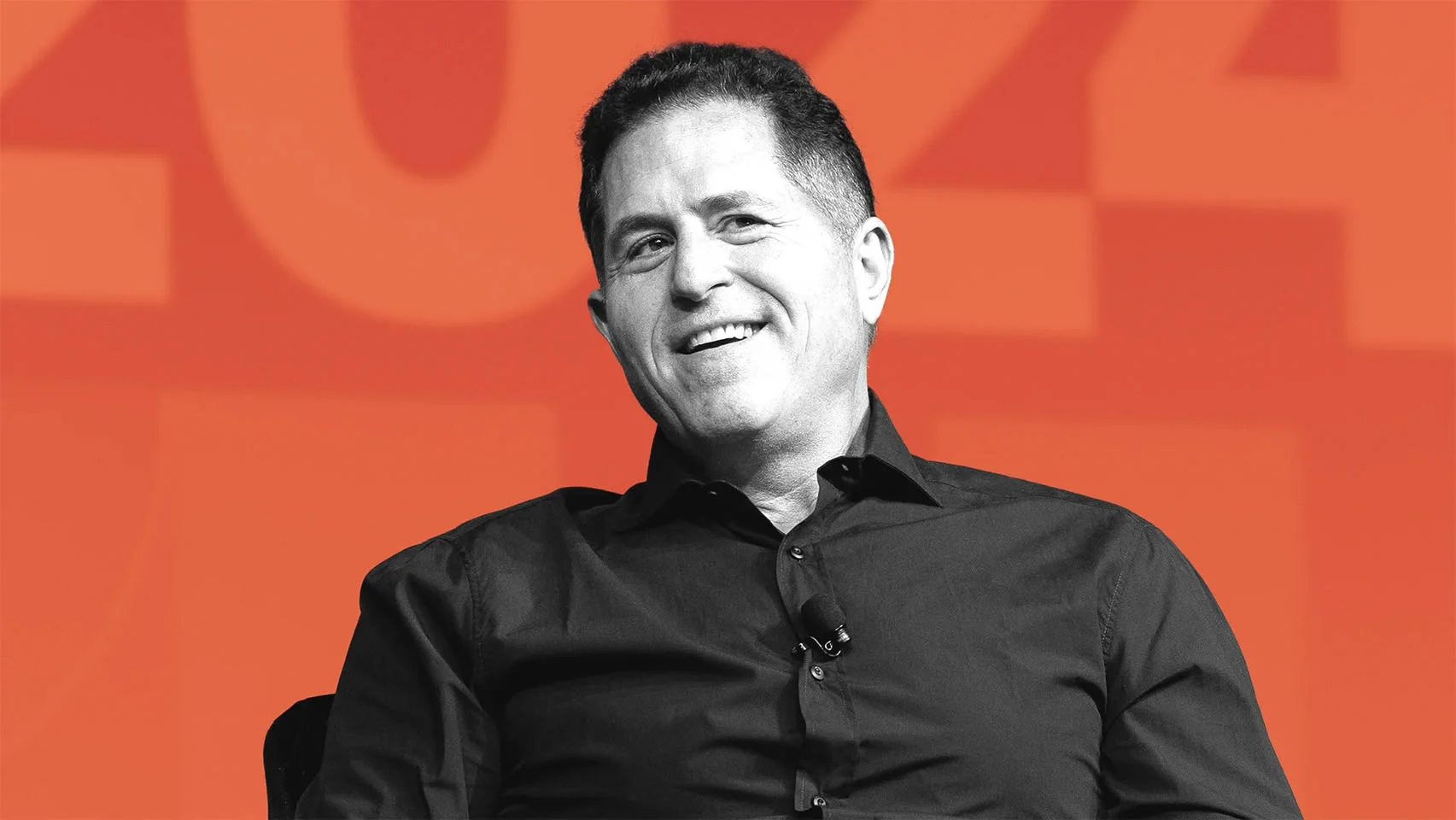
Dell CEO Michael Dell says memory supply constraints could worsen in 2027, creating a bottleneck for the company’s AI server business even as customer orders pile up. Dell has a record $95 billion AI server backlog, but completing systems depends on securing the right mix of high-bandwidth and conventional memory. New capacity is planned, though it will take time to ramp.
Key takeaways
Dell’s warning highlights a practical concern for AI infrastructure buyers and the wider PC hardware market: strong demand cannot translate into shipped systems without enough memory.
- Dell forecasts tighter memory supply in 2027.
- The company reports a $95 billion AI server backlog, but not every order is necessarily awaiting memory.
- New manufacturing capacity is expected to come online in stages, with some major projects extending to 2029 and 2030.
- Memory availability and cost could affect delivery schedules and hardware prices.
Memory is holding back server shipments
In an interview reported by The Wall Street Journal, Dell said the company’s constraint is not a lack of orders but limited access to memory. AI servers pair accelerators with high-bandwidth memory (HBM), while their CPUs use conventional DRAM. These types serve different roles and cannot simply replace one another, so a shortage in either can delay a complete system.
Dell’s backlog reached $95 billion at the end of its second fiscal quarter, while AI server revenue for that quarter was $16.4 billion. The backlog is not a direct measure of delayed shipments: it also reflects new orders and customers placing orders farther ahead to secure future supply. Still, it shows the scale of demand Dell is trying to fulfill.
New capacity will take time to ramp
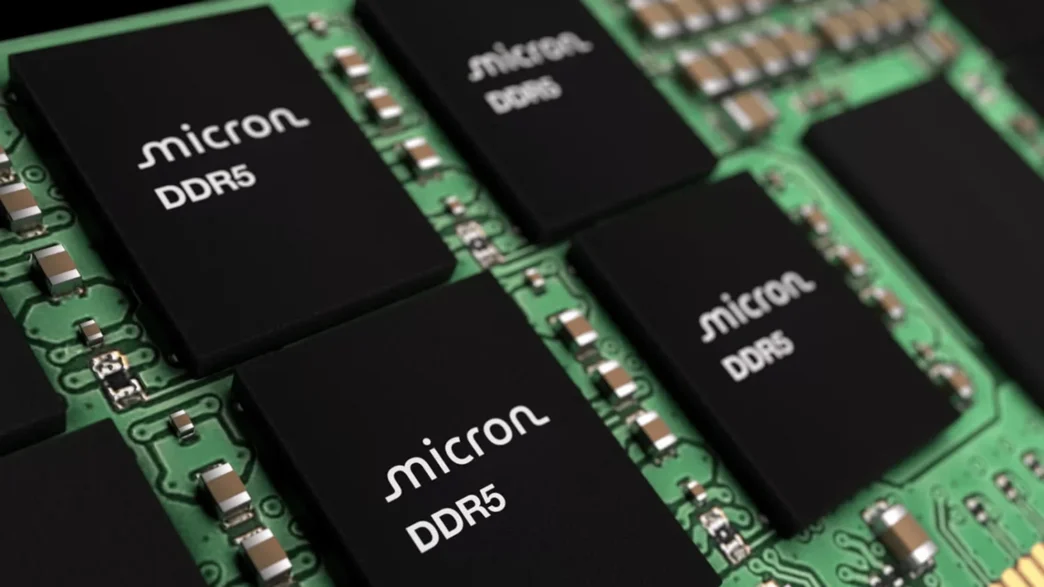
Memory makers are expanding production, but new facilities do not deliver full output as soon as they open. Micron has outlined projects beginning production in 2027, with additional wafer-fab capacity planned for later years. The company has also said memory and storage markets could be tighter in 2027 and 2028 than in 2026. Dell’s forecast that conditions worsen next year reflects the gap between rising demand and supply that takes years to build.
For server makers, the challenge is securing the specific memory configurations their systems require alongside GPUs, networking, storage and cooling. A shortage of one component can hold up delivery of an otherwise complete rack or server order.
What it could mean for PC and hardware buyers
Dell says it is keeping inventory lean and buying DRAM closer to final assembly, while using longer-term supply arrangements to manage procurement. That approach can limit the cash tied up in parts, but it cannot guarantee that memory will be available when needed. Dell has not disclosed how much of its reported supply strategy applies to consumer PCs.
For PC builders and hardware buyers, the forecast adds to uncertainty over component availability and pricing. If demand continues to outpace production, higher costs could reach servers and consumer systems alike. The timing and extent of any price changes remain uncertain, as do the pace of new capacity and the strength of AI demand.