The shift from gadgets to identity
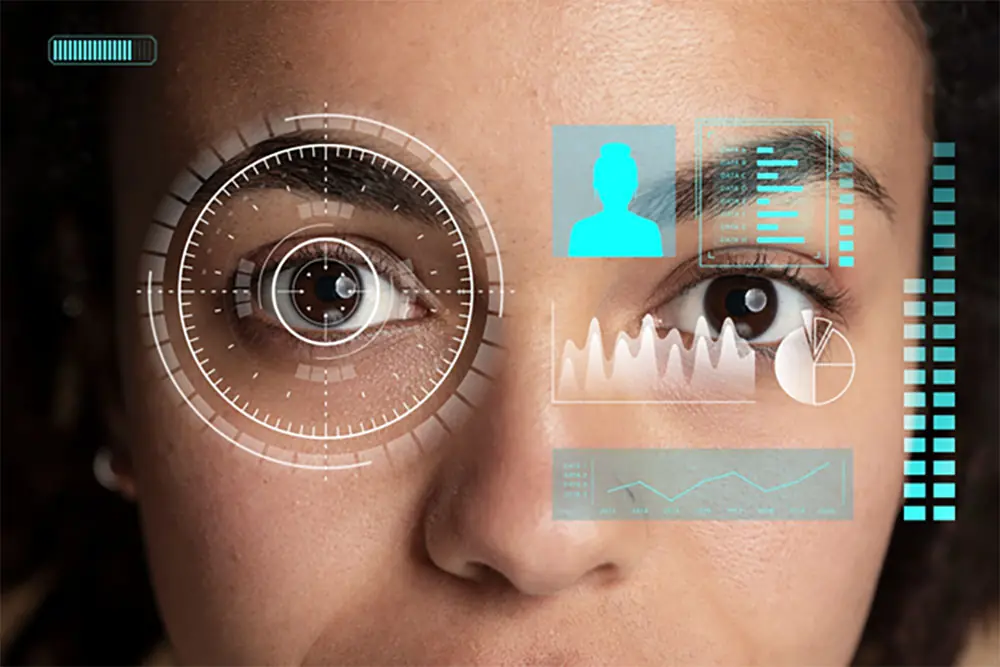
For years tech sites have been filled with reviews of laptops, GPUs, and phones. Readers expect benchmarks, comparisons, and maybe a few jokes about RGB lighting. Yet there is a quieter trend that deserves attention: devices designed not to entertain or compute, but to prove who you are. The idea sounds abstract until you see the hardware. One of the most discussed examples is the Orb, a spherical device that scans your iris to confirm you are a unique human.
Why identity matters in tech
Spam accounts, bots, and fake profiles are everywhere. According to a 2023 report from Statista, Facebook removed over 1.3 billion fake accounts in just three months. That number is staggering. Platforms struggle to separate real people from automated scripts. Hardware like Orb tries to solve that problem by linking digital identity to a physical trait.
Some readers may feel uneasy about a gadget scanning their eyes. Privacy concerns are real. Yet the same skepticism existed when fingerprint sensors first appeared on smartphones. Apple introduced Touch ID in 2013, and within a few years most users accepted it as normal. Now face recognition unlocks millions of devices daily.
Comparisons with familiar tech
Everyday biometric systems
Think of Orb as a cousin of biometric systems already in use:
- Airports rely on iris scanners for fast boarding.
- Banks experiment with palm vein authentication.
- Microsoft’s Windows Hello uses facial recognition for login.
The difference is scale. Orb aims to create a global proof-of-personhood system. That ambition raises eyebrows, and rightly so. Still, the hardware itself is part of a broader movement toward identity-focused devices.
The humor in hardware
It is hard not to smile at the design. A shiny sphere that looks like it belongs in a sci-fi movie. Some reviewers joked it resembles a futuristic bowling ball. Others compared it to HAL 9000 from 2001: A Space Odyssey. Tech often carries unintended comedy, and Orb is no exception.
Practical implications for everyday users
Imagine registering for a new social platform. Instead of endless CAPTCHAs with blurry traffic lights, you walk into a booth, glance at the Orb, and receive a digital ID. That ID proves you are human without revealing your name, age, or location. The promise is simplicity. Whether it works in practice remains to be seen.
Statistics and adoption trends
Worldcoin, the project behind Orb, reported over 2.6 million sign-ups by early 2024. Numbers like these suggest curiosity is strong. Adoption is uneven though. Some countries welcome trials, others block them due to regulatory concerns.
Challenges and debates
Key questions from privacy advocates
- Who controls the biometric data?
- How secure is the encryption?
- What happens if the hardware is compromised?
These questions echo debates around every new authentication method. Fingerprints, faces, voice recognition. None are perfect.
The broader context of smart devices
Identity gadgets are part of a larger wave. Smartwatches track health metrics. VR headsets map your room. Even gaming consoles now require biometric logins in some regions. The line between personal data and entertainment hardware keeps shifting.
Looking ahead
Will Orb or similar devices become as common as smartphones? Hard to predict. Tech history is full of surprises. Few expected QR codes to dominate restaurant menus, yet here we are. Maybe spheres that scan eyes will feel ordinary in a decade. Or maybe they will remain niche curiosities.
Final thought
Readers of ThinkComputers often look for performance charts and product reviews. This article is different. It is about a device that does not promise higher frame rates or faster rendering. It promises proof of humanity. Whether that promise convinces the mainstream audience is still an open question. And perhaps that uncertainty is what makes the topic worth following.