Audio technology has transformed dramatically over the past few decades. What started with bulky analog equipment and tape-based recording has evolved into sophisticated digital systems that fit in your pocket. But the changes go deeper than just size and format. The way we capture, process, enhance, and reproduce sound has fundamentally shifted from purely hardware-based solutions to a combination of physical devices and intelligent software working together.
Looking back, audio quality improvements once demanded better microphones, more expensive amplifiers, acoustic treatment, and skilled engineers who understood the technical and artistic aspects of sound. These approaches worked well but created barriers. Professional audio quality required professional budgets and expertise. Home audio meant accepting compromises or spending heavily on equipment that still couldn’t match studio capabilities.
Today’s audio landscape looks completely different. Hardware continues advancing with better components and engineering, but software has emerged as an equally important factor in audio quality. Algorithms can now analyze and enhance sound in ways that purely physical devices cannot. The result is that professional-level audio quality has become accessible to regular users through combinations of decent hardware and intelligent software processing.
Hardware Evolution: From Basic Speakers to Sophisticated Audio Systems
Audio playback hardware has evolved dramatically. Early consumer gear focused on basic function; radios and TV speakers worked for speech but struggled with music. As expectations rose, people turned to stereo systems with separate amps and speakers, and later to home theater setups with multiple speakers for surround sound. These offered great results but required complex wiring, calibration, and ideal room layouts most homes didn’t have.
To simplify without sacrificing quality, engineers improved driver design, added digital signal processing (DSP), and created more efficient, compact amplifiers. This paved the way for modern all-in-one audio solutions that deliver impressive performance from a single unit. Smaller speakers now produce wider frequency ranges, DSP creates virtual surround sound, and smart amplification provides clean power in compact housings.
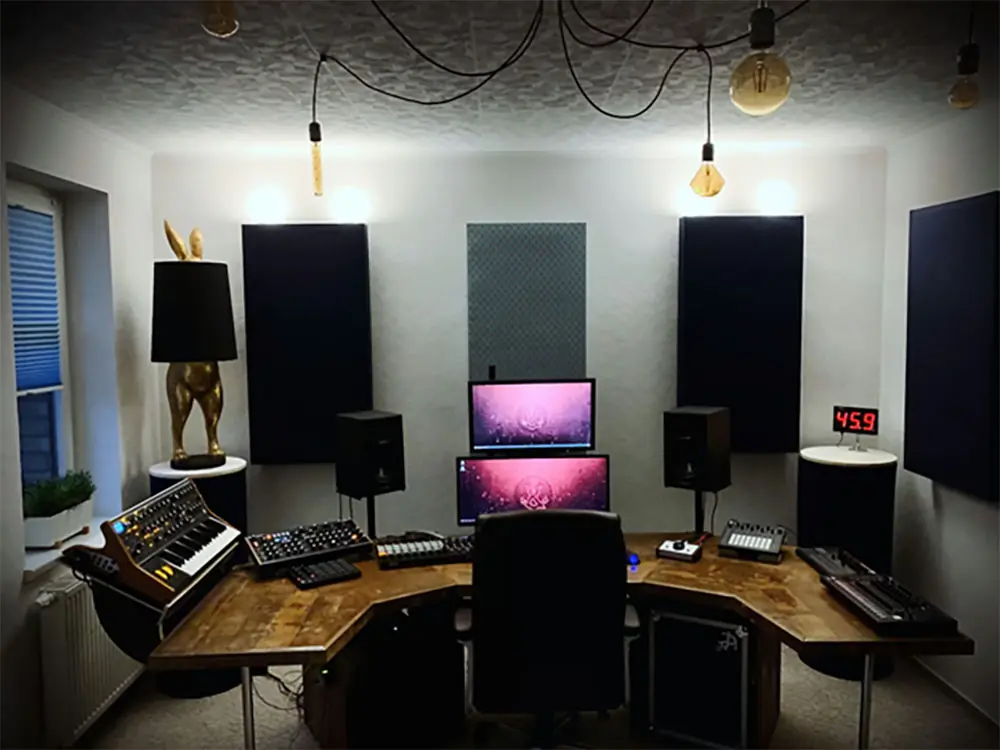
Reproducing full bass from small devices remains a challenge, but modern systems use DSP, psychoacoustic tricks, and optimized cabinet designs to extend perceived low-end performance without separate subwoofers. Room acoustics also remain a problem, so many systems now include room correction features that measure your space and automatically adjust EQ to compensate for reflections and inconsistencies.
The result: high-quality audio with far less complexity, setup, and space than ever before.
Connectivity has evolved alongside audio performance capabilities. Legacy audio equipment required physical cable connections between components and sources. Modern systems incorporate wireless technologies; Bluetooth for convenience despite quality compromises, WiFi for higher quality streaming, proprietary wireless protocols balancing quality and reliability. The goal is maintaining audio quality whilst eliminating cable clutter and improving flexibility.
Solutions like sound bars exemplify contemporary approaches to home audio by consolidating amplification, multiple speaker channels, and processing into streamlined packages that deliver room-filling sound without complex installation. These systems demonstrate how engineering advances in drivers, digital processing, and amplification enable quality audio from simplified form factors that fit modern living spaces and user expectations around setup complexity.

The trade-offs involved in consolidation are real but increasingly acceptable. Dedicated multi-speaker systems positioned optimally in acoustically treated rooms still outperform consolidated solutions in absolute terms. However, the performance gap has narrowed substantially whilst the convenience gap remains large. For most users in typical spaces, well-engineered consolidated systems deliver satisfying audio experiences without the complications of traditional component systems.
Audio source quality matters as much as playback hardware. The shift from physical media to streaming fundamentally changed audio distribution. Early streaming used heavy compression that sacrificed quality for bandwidth efficiency and storage. As internet speeds increased and storage costs fell, higher quality streaming became viable. Lossless audio streaming now delivers bit-perfect audio matching CD quality, and high-resolution formats exceed CD specifications for those prioritizing ultimate source fidelity.
The practical impact of all these hardware improvements is that quality home audio is more accessible than ever. You don’t need dedicated listening rooms, complex installations, or substantial budgets to achieve satisfying sound quality. Well-designed modern audio systems deliver impressive performance in real-world environments without requiring acoustic treatment or technical expertise to set up and calibrate.
Software and AI: Intelligent Audio Enhancement
Hardware improvements tell only half the story of audio technology evolution. Software-based audio processing has become equally important in determining sound quality, particularly for content creation, communication, and recording applications. Where hardware focuses on accurately reproducing audio signals, software can analyze and modify audio in sophisticated ways that address problems hardware alone cannot solve.
Traditional audio processing relied on relatively simple tools; equalization to adjust frequency balance, compression to manage dynamic range, reverb to add space and depth. These tools worked well in skilled hands but required expertise to use effectively. Knowing which frequencies to adjust, how much compression to apply, and what reverb settings suited different audio required experience and trained ears.
Modern approaches using artificial intelligence and machine learning have changed what’s possible in audio processing. Rather than applying generic adjustments based on technical understanding, these systems can analyze specific audio, identify characteristics and problems, and apply processing tailored to that particular sound. The difference is between rules-based processing following predetermined approaches and adaptive processing that responds to the actual audio being handled.
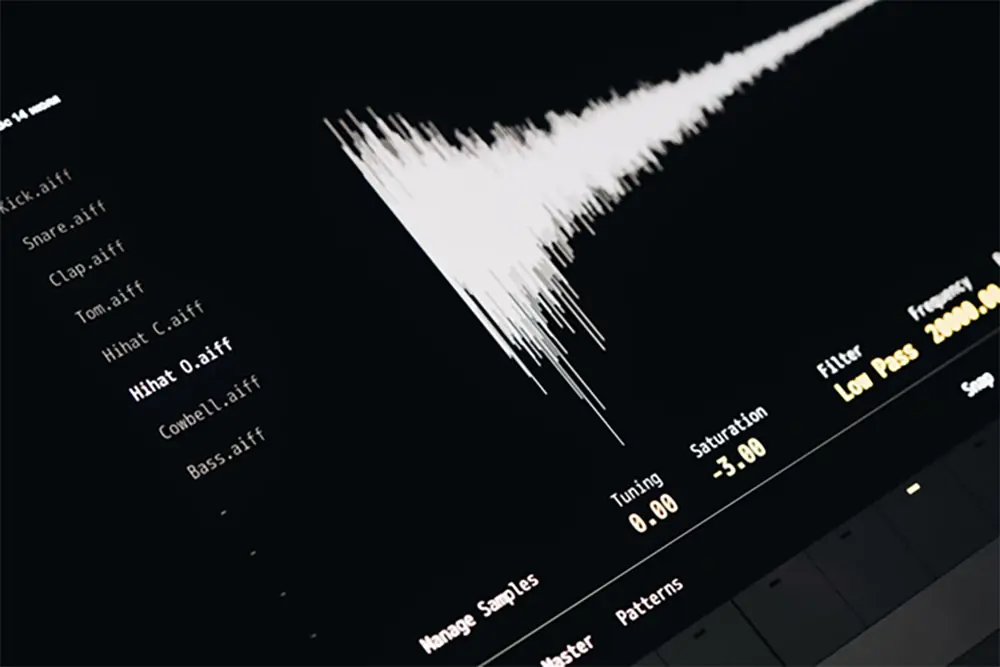
Voice enhancement represents one of the most practical applications of intelligent audio processing. Whether you’re recording podcasts, conducting video conferences, creating content, or capturing interviews, voice clarity matters. Traditional approaches involved multiple tools; noise gates to eliminate background sounds, equalization to improve voice tone, compression to even out volume variations, de-essers to tame harsh frequencies. Using these tools effectively required understanding both their technical operation and how they interacted.
AI-based voice processing works fundamentally differently. Machine learning models trained on massive audio datasets learn to distinguish voice from other sounds, identify acoustic characteristics of recording environments, recognize what makes speech clear and intelligible versus muddy and difficult to understand, and determine appropriate processing to enhance voice quality whilst maintaining natural sound. Once trained, these models apply learned knowledge to new audio they haven’t encountered before.
The practical advantages of intelligent audio processing are substantial for anyone working with voice recordings. You don’t need perfect recording environments; the software compensates for acoustic problems. You don’t need to understand audio engineering; the system determines appropriate processing. You don’t need expensive microphones; intelligent processing improves audio from modest equipment. The technology democratizes quality audio by removing barriers that previously required expertise and equipment to overcome.
Tools implementing these capabilities like ai vocal booster demonstrate how artificial intelligence has transformed audio processing from technical operations requiring expertise into accessible tools that analyze recordings and enhance them automatically. The processing adapts to specific audio characteristics rather than applying one-size-fits-all adjustments, maintaining natural sound whilst improving clarity and intelligibility.
The applications extend beyond simple noise reduction. Intelligent audio processing can separate individual voices or instruments from mixed recordings; tasks that are extraordinarily difficult with traditional approaches. It can restore damaged or degraded recordings by inferring what original audio likely sounded like based on patterns learned from intact examples. It can adapt audio for different playback scenarios, automatically adjusting characteristics for optimal listening whether through high-quality speakers, basic laptop speakers, or earbuds.
Real-time processing capability matters especially for live applications where you can’t spend time manually processing recordings. Streaming, video conferencing, and live content creation need audio enhancement happening instantly without latency causing sync issues or disrupting timing. Modern processing achieves this through efficient algorithms and hardware acceleration, applying sophisticated enhancement in milliseconds rather than requiring offline processing.
The limitations of software processing deserve acknowledgment. If source audio quality is genuinely terrible; extremely poor microphones, severe electrical interference, extreme background noise; software alone won’t create professional results. You need at least decent source audio to work with. But the threshold for “descent” has dropped substantially. Mid-range equipment positioned reasonably well, combined with intelligent processing, now produces results that previously required expensive microphones and treated recording spaces.
Bringing Hardware and Software Together
The best audio setups blend quality hardware with intelligent software. Hardware provides the physical accuracy; clean drivers, good amplification, proper acoustics. Software adds adaptability; reducing noise, correcting room issues, enhancing dialogue, and tailoring sound to your environment.
Each solves different problems. Hardware ensures faithful reproduction across frequencies with minimal distortion. Software handles real-world challenges like background noise, uneven source quality, and dynamic range issues.
Take streaming at home: good speakers or headphones deliver clear sound, while smart processing boosts dialogue, balances loud scenes for nighttime listening, and compensates for room acoustics.
As both hardware and software continue to advance, high-quality audio becomes more accessible without requiring expertise or huge investments. Understanding both sides helps you choose tools that work together; because great audio comes from combining strong physical components with smart, adaptive processing.