Smartphone connectivity has gone through several quiet revolutions over the years. Physical keyboards disappeared, app stores replaced software discs, and cloud services reshaped how data is stored and accessed. Another major shift is now underway: the move from physical SIM cards to embedded SIMs, or eSIMs, managed directly through mobile applications.
For international smartphone users, this change is redefining how mobile connectivity is activated, controlled, and optimized.
What Is an eSIM App?
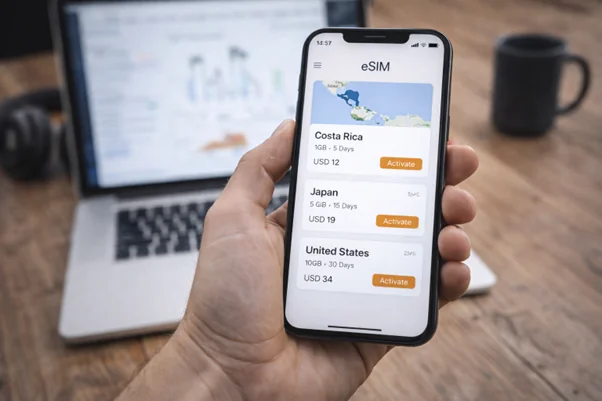
An eSIM is a digital SIM built directly into a device’s hardware. Instead of inserting a plastic card, users activate mobile service by downloading a carrier profile. An eSIM app acts as the interface for this process, allowing users to install, manage, and switch mobile data plans directly from their phone.
On modern smartphones—especially iPhones and newer Android devices—eSIM support is now standard. Some newer phone models are even moving toward eSIM-only designs, signaling a broader industry transition away from physical SIM cards entirely.
Why Apps Are Replacing SIM Cards
Traditional SIM cards were designed for a time when mobile service was static. Users signed up with one carrier, inserted a card, and rarely changed it. Today’s usage patterns are far more dynamic. People travel more frequently, work remotely, and rely on multiple data sources depending on location.
Apps make this flexibility possible. With an eSIM app, users can:
- activate mobile service digitally
- store multiple eSIM profiles on one device
- switch networks without changing hardware
- manage connectivity without visiting a carrier store
This approach aligns with broader trends in software-defined infrastructure, where physical limitations are replaced by digital control.
International Connectivity Without Physical Barriers
One of the most common pain points for smartphone users has historically been international roaming. High costs, limited data allowances, and unpredictable billing have made roaming inconvenient for many travelers.
eSIM apps address this by allowing users to set up mobile data plans before or during international travel. Instead of relying on roaming agreements or purchasing local SIM cards upon arrival, users can activate connectivity through an app and stay online immediately.
This model reduces friction and gives users greater visibility into their data usage and plan details.
App-Based Connectivity and User Experience
From a user experience perspective, eSIM apps are designed to simplify what was once a complex process. Activation typically involves scanning a QR code or downloading a profile directly within the app. There’s no need to open the phone, handle tiny cards, or worry about losing a primary SIM.
For tech-savvy users, this also means better integration with device settings. Mobile data usage, network selection, and plan management are handled through familiar interfaces rather than external customer service channels.
As an example of how this works in practice, some users choose to download Holafly’s app to manage eSIM-based mobile data directly from their device, illustrating how connectivity is increasingly controlled at the app level rather than through physical components.
Security and Reliability Considerations
Security is another factor driving interest in app-managed eSIMs. Public Wi-Fi networks, often used as an alternative to roaming, can expose users to security risks. Mobile data connections generally provide a more controlled and encrypted environment.
Additionally, having mobile connectivity independent of local Wi-Fi improves reliability. Users can stay connected while commuting, traveling between locations, or working remotely without relying on unsecured or congested networks.
Implications for Developers and Power Users
For developers, IT professionals, and power users, eSIM apps offer practical advantages. Managing connectivity digitally allows for quicker setup, easier troubleshooting, and better contingency planning. Mobile data can serve as a backup connection during outages or as a primary connection when working remotely.
This flexibility is especially valuable for users who manage cloud services, monitor systems, or need constant access to dashboards and communications.
The Broader Industry Shift
The rise of eSIM apps reflects a larger shift in how mobile networks are provisioned and consumed. Carriers, device manufacturers, and app developers are moving toward models that prioritize digital onboarding, remote management, and user autonomy.
As physical SIM slots disappear from future devices, apps will become the default way users interact with mobile networks. This transition mirrors changes seen in other areas of technology, where software replaces hardware to improve scalability and convenience.
What to Expect Going Forward
As adoption increases, eSIM apps are likely to become more sophisticated. Features such as multi-network support, advanced usage analytics, and deeper OS integration are already emerging.
For consumers, this means greater choice and control. For the industry, it represents a move toward more efficient and flexible connectivity models.
Final Thoughts
eSIM apps are not just a new way to activate mobile data—they represent a fundamental change in how smartphones connect to networks. By shifting control from physical components to software, these apps simplify international connectivity, improve user experience, and align mobile service with modern digital habits.
As smartphones continue to evolve, app-managed connectivity is positioned to become the norm rather than the exception. For international users, that shift promises fewer barriers, faster setup, and a more seamless connection wherever they go.