


With time, mobile communications have changed. They are now associated with privacy over convenience. Throughout history, each generation has somehow made it easier and cheaper for people to connect with each other. With every wave of telecommunications adoption, privacy considerations faded into the background.
Today, this tendency is rapidly changing. Anonymity and privacy come first, both in marketing campaigns and the essence of every telecommunications product as well. The course of the industry is entirely different. One of the most noticeable signs of such a shift is the popularisation of temporary phone numbers. This page is designed to outline and describe this shift.
The early days of mobile communications
The first consumer mobile phones arrived in the late 1980s and early 1990s. Back then, the SIM card was considered a real marvel of technology. A tiny chip that stores your phone number and network credentials was everything a user could ask for from a telecommunications invention. In fact, your number was tied to a contract with a carrier, and no one held multiple phone numbers at the same time, because it was unnecessary. Everything about it was expensive and inconvenient. Besides, people still largely used phones simply for making phone calls.
But closer to the early 2000s, mobile phones became mass-market products. Prepaid SIM cards introduced anonymous mobile communication. Now you could walk into a store, pay in cash for a prepaid card, and have a working number with no contract attached to it. People call these burner phones, which is still a fairly popular name to this day.
The smartphone revolution
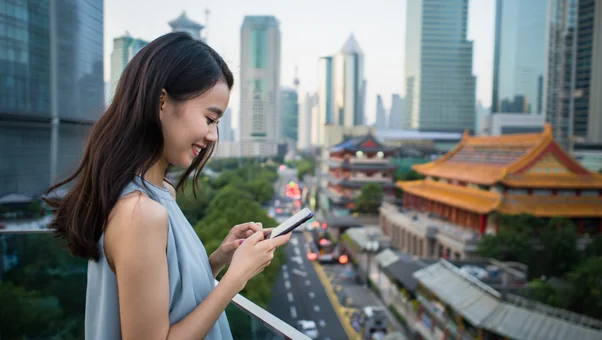
The smartphone revolution, as we talk about it today, began with the iPhone in 2007 and transformed mobile communication drastically, bringing it closer to the way it is known today. It brought about both benefits and downsides:
- Creation of digital identity. Now, phones were also computers, cameras, wallets, and entertainment devices. The phone number became a universal way to log in and identify oneself across websites, apps, and social media. This prompted the notion of digital identity, but also made it vulnerable to the outside world.
- A threat to personal privacy. Now that your phone was tied to more accounts and various databases, the consequences were nearly immediate. They triggered the advent of the so-called broker companies, which aggregated phone numbers with names, addresses, and browsing or purchasing behavior.
As a result, a number you shared with just one app could appear in thousands of databases within several months. This caused frequent data breaches and even cases of major carriers selling real-time location data to third-party aggregators. Owning a phone was now associated with being exposed and tracked in many different ways, often with no consent from the user whatsoever.
The spread of VoIP and virtual numbers
The Voice over Internet Protocol (VoIP) marked the rapid technological shift towards temporary numbers. It allowed voice calls and text messages to be transmitted over the internet instead of traditional telephone networks. This dramatically reduced the cost of creating and directing (routing) mobile numbers. One of the first products of this kind was Google Voice, launched in 2009. It gave ordinary users a free secondary number they could manage independently from their carrier.
It started to expand rapidly from there on. Popular apps like Burner, Hushed, and TextNow appeared. Platforms like Get Temp Number gave users many new opportunities. For example, international virtual number services allowed people to get numbers with foreign country codes without purchasing a local SIM card. It also proved useful for businesses that could now use virtual numbers to direct customer calls without rooting service lines in their physical infrastructure.
Today, the technology for virtual numbers is widely available all over the world. Companies can issue numbers easily and in seconds through software APIs. There are also pools of numbers that service companies assign to users on demand and get back once they are no longer needed. Providers often reassign those to the next customers within days.
Privacy and technology combined
The laws and regulations have also changed over time. One remarkable piece of legislation that prompted this shift is the European Union’s General Data Protection Regulation (GDPR) of 2018. It established that personal data, phone numbers included, should only be collected when necessary and stored only for stated purposes. Similar pieces of legislation then followed in other jurisdictions all over the world. As a result, consumers acquired new rights over their data, and companies now had new obligations regarding how they stored and processed it legally.
Temporary numbers provide users with a functional contact point without sharing a single piece of your personal and sensitive data. This evolution and shift from SIM cards to temporary numbers shows that user expectations are shifting. Today’s phone owners understand that a number encodes a piece of their identity, and it should be dealt with and shared with others on their own terms.