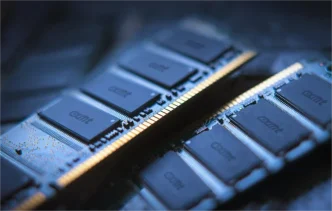
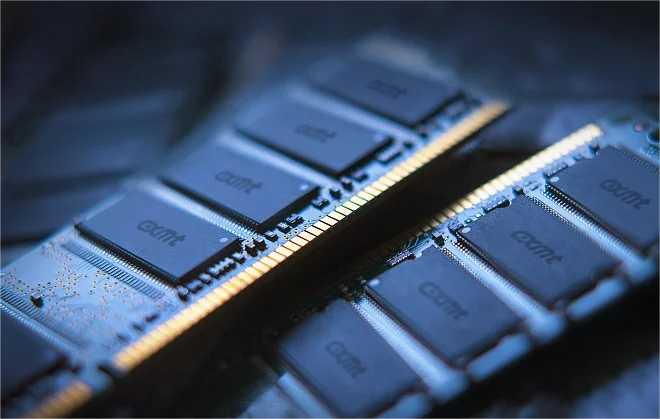
MSI has introduced a significant breakthrough for users of Chinese-made Changxin Memory Technologies (CXMT) DDR5 memory on AMD motherboards. By providing a specialized BIOS update, the manufacturer has successfully enabled frequencies reaching up to 8200 MT/s, effectively shattering previous performance bottlenecks that were common in mainstream DDR5 kits using these chips.
Key takeaways
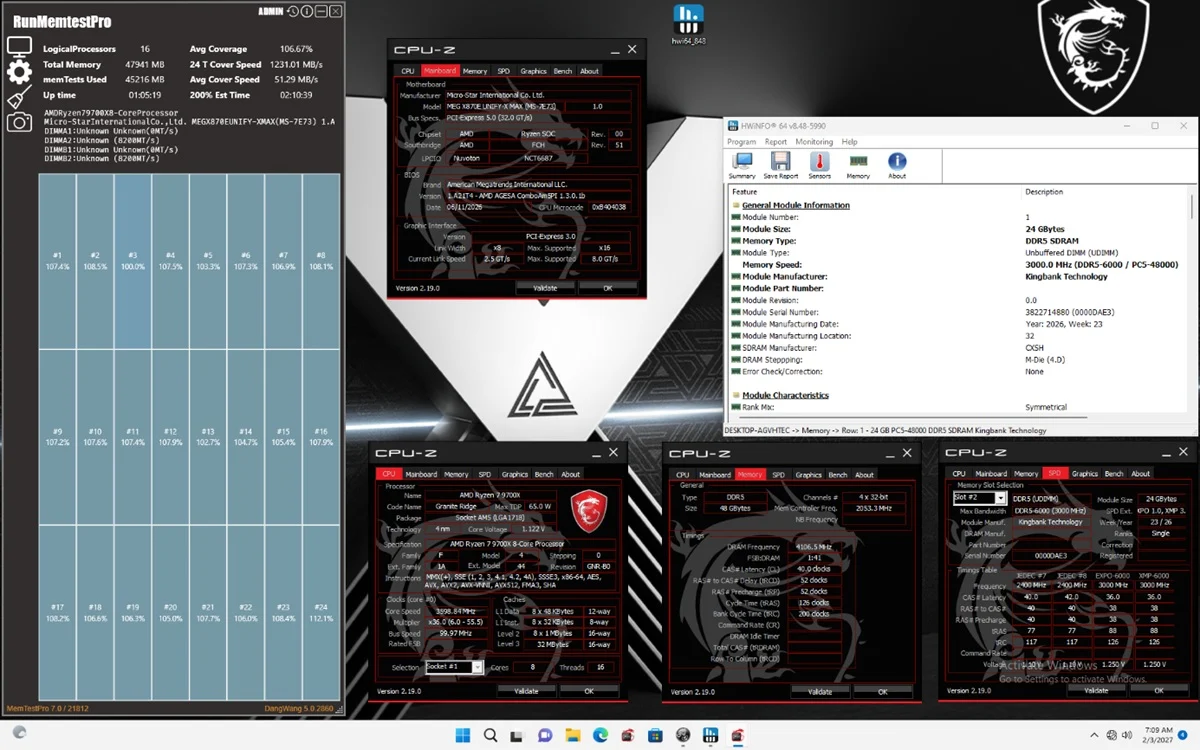
- Dual-DIMM setups utilizing 24Gbit chips achieved stable speeds up to 8200 MT/s.
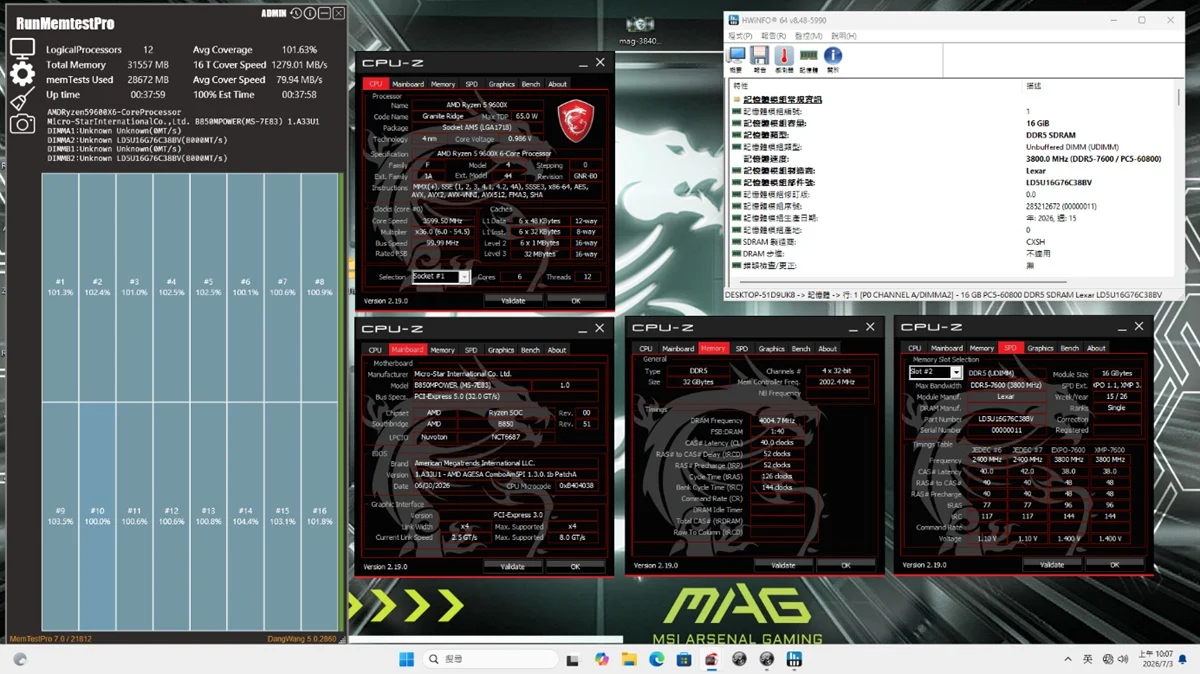
- Modules with 16Gbit chips reached 8000 MT/s during rigorous stress testing.
- Four-DIMM motherboard support has been improved, with the frequency limit raised to 7200 MT/s.
- The performance enhancements are based on the latest AGESA microcode and optimization of memory controller behavior.
Breaking the frequency ceiling
Previously, memory modules using CXMT chips were often capped at speeds around 6800 MT/s on AMD platforms due to firmware limitations. Through dedicated tuning and optimizations based on the latest AGESA microcode, MSI has effectively unlocked the high-frequency potential of CXMT hardware. These results highlight a significant shift in compatibility and reliability for memory modules that were previously considered mid-tier, bringing them closer to parity with premium international offerings.
Performance and hardware compatibility
Testing was performed using retail memory kits sourced from brands like KingBank and Lexar. This approach confirms that the overclocking gains are achievable with readily available consumer products rather than hand-picked engineering samples. The following table summarizes the validated performance ceilings achieved by MSI during testing:
| Configuration | Max Frequency |
|---|---|
| Dual-DIMM (24Gbit Chips) | 8200 MT/s |
| Dual-DIMM (16Gbit Chips) | 8000 MT/s |
| Four-DIMM Motherboards | 7200 MT/s |
The specialized BIOS files are currently available through MSI’s community release channels. These builds incorporate overclocking-specific changes while maintaining the stability of official firmware. MSI has indicated that it plans to expand support for additional motherboard models in the near future. Enthusiasts should note that while these results set a new benchmark, final achieved speeds may still vary based on the quality of the CPU memory controller and the specific motherboard model used.
Via Expreview