


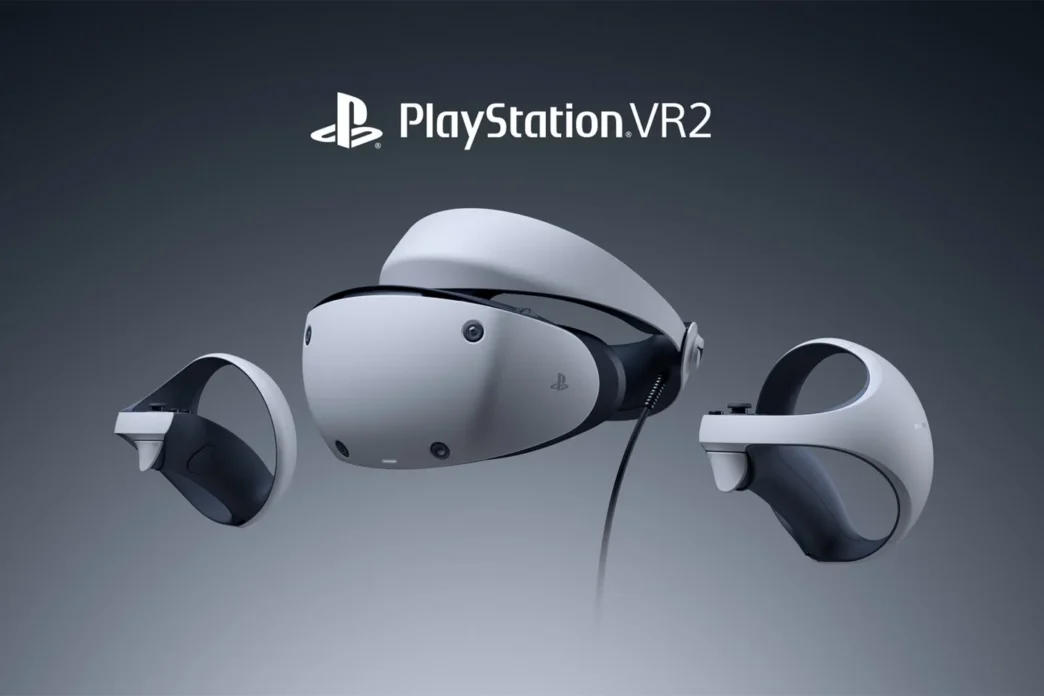
Sony has transferred 43 U.S. patents covering virtual- and augmented-reality technology to Meta, according to patent records cited in recent reports. The move is part of a broader agreement covering 419 patents worldwide. While it raises questions about Sony’s future VR hardware plans, it is not an official announcement that PlayStation VR is ending.
Key takeaways
Sony’s patent transfer comes as PlayStation VR2 faces questions about investment and long-term support. The records point to a substantial shift in intellectual property, but neither company has publicly detailed the deal’s full terms or confirmed what it means for PlayStation’s VR roadmap.
- Records show 43 U.S. patents have changed hands; the wider agreement covers 419 patents globally.
- The patents span VR, AR, mixed reality and extended-reality technologies, and are not confirmed to be specific to PlayStation VR.
- Sony has not announced that it is ending VR development or discontinuing support for PS VR2.
What the patent deal covers
The transfers were recorded in batches between June and September 2026, following an agreement signed in December 2025. Reports say the agreement includes 180 U.S. patents and 239 filed in other regions, including Japan, China, South Korea and Europe. The transferred patents relate broadly to immersive displays, head-mounted systems and other XR technologies.
That distinction matters: the deal does not establish that Sony has sold every patent connected to PlayStation VR, or that Meta will use the technology in a specific product. The companies have not publicly explained the agreement’s financial terms or provided a detailed account of the patents involved.
Why PS VR2’s future is in question
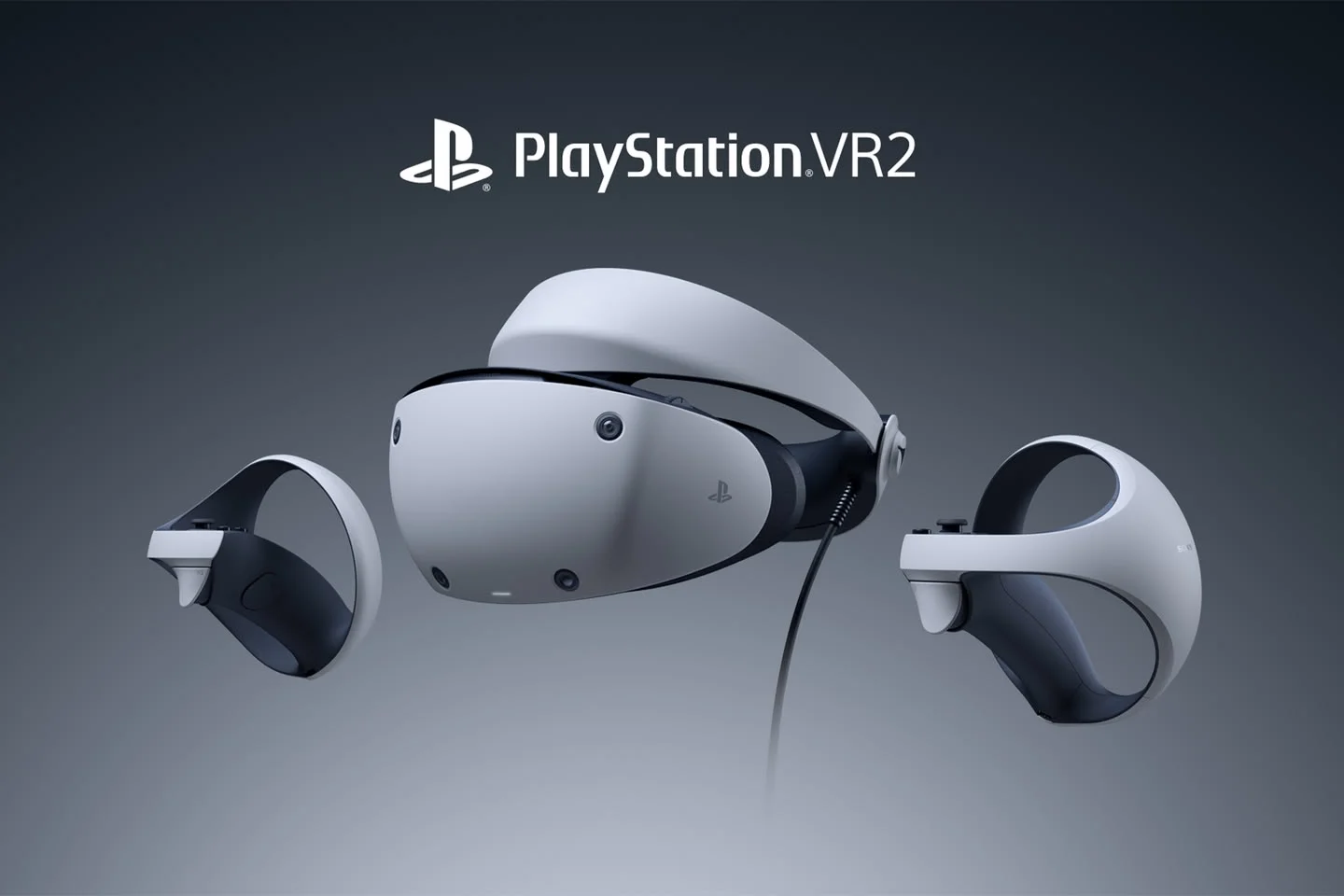
PlayStation VR2 launched in February 2023 at $549.99, requiring a PlayStation 5 to play console-based VR games. Its OLED displays, eye tracking and headset haptics marked a technical step up from the original PS VR, but the price, limited first-party output and lack of backward compatibility with PS VR games have made it harder to build on the earlier headset’s installed base.
Sony later released a PC adapter that lets PS VR2 owners access compatible SteamVR games on a PC, extending the headset’s use beyond the PlayStation ecosystem. Third-party and indie releases have also continued to arrive. Still, reports of reduced production and limited internal game development have fueled concerns about how much Sony will invest in the platform.
What owners should expect
The patent transfers do not, by themselves, change how existing headsets or games work. There has been no announcement that PS VR2 support or PlayStation Store access will end, and Sony has not confirmed whether a future PlayStation console will support the headset or whether a successor is planned.
For PC and console hardware buyers, the clearest takeaway is that Sony’s longer-term VR strategy remains uncertain—not that PlayStation VR has been formally discontinued. Until Sony provides a statement, the patent deal is evidence of a significant technology transfer, but not proof of a final decision on the platform.
Via ZDNet Korea