


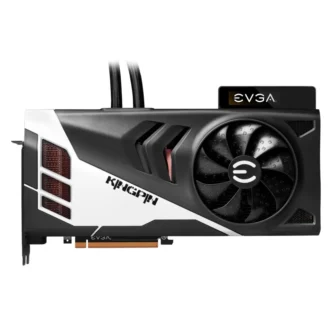
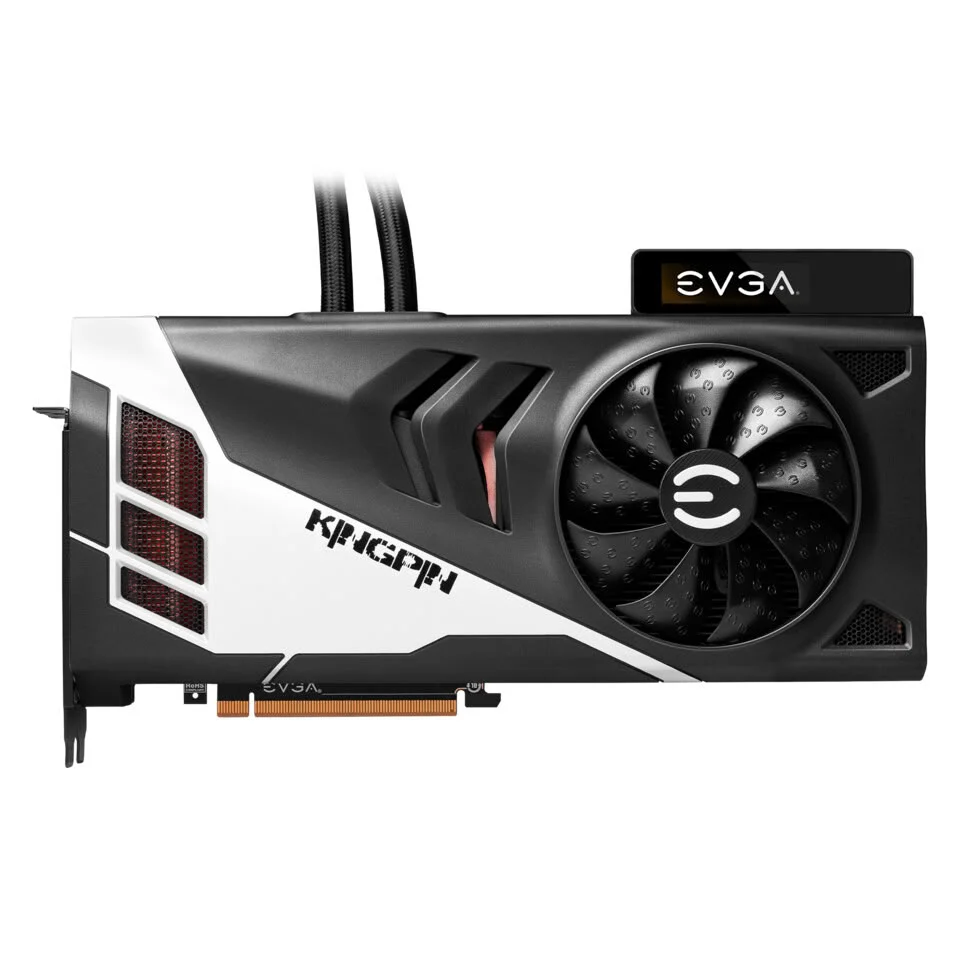
Vince “KINGPIN” Lucido says a last-minute disagreement with NVIDIA over power connectors disrupted production of EVGA’s GeForce RTX 3090 Ti KINGPIN and contributed to its limited availability. The extreme-overclocking card ultimately shipped with two 16-pin 12VHPWR connectors, despite NVIDIA reportedly pushing for a single connector.
Key takeaways
Lucido’s account offers a new explanation for the delayed, scarce launch of EVGA’s final KINGPIN graphics card. The claims come from the overclocker, who was directly involved in the design; NVIDIA has not publicly commented on the reported dispute.
- Lucido wanted two 12VHPWR connectors to support extreme overclocking; NVIDIA reportedly wanted one.
- He says the disagreement disrupted production and reduced the card’s availability.
- The RTX 3090 Ti KINGPIN launched with two connectors and a bundled 1,600-watt power supply.
A late design dispute
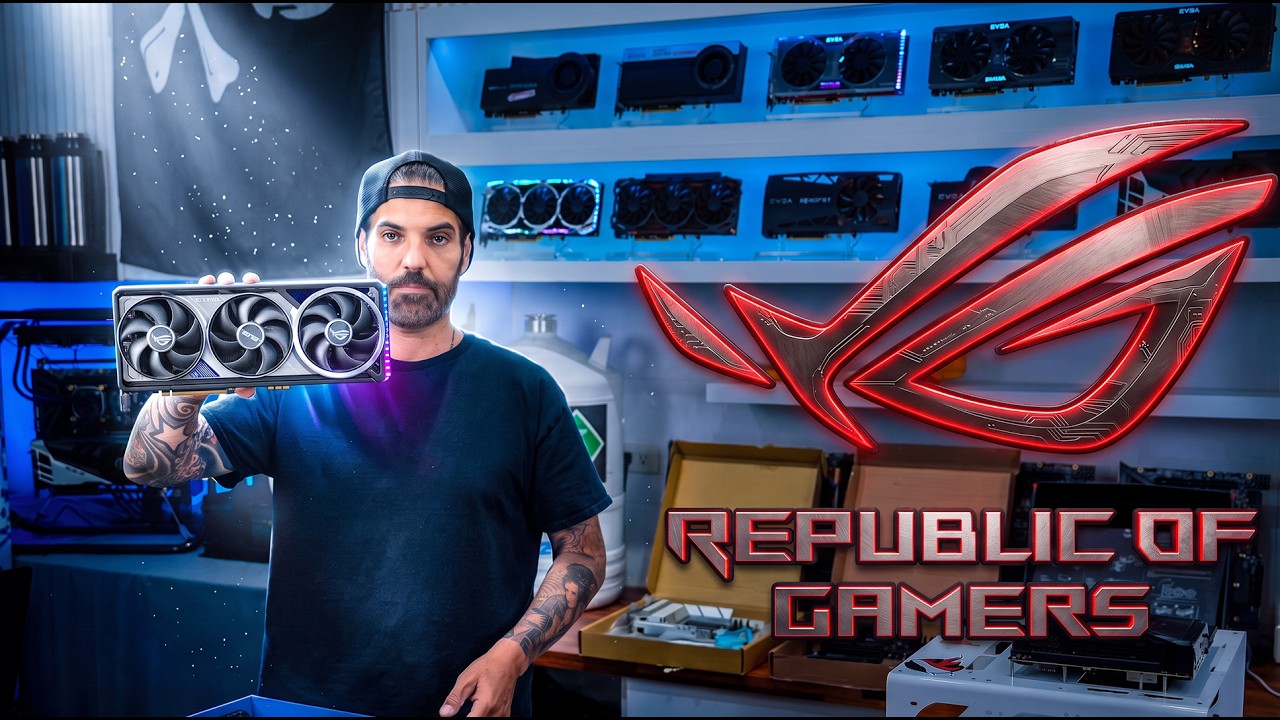
Lucido described the disagreement in the first video on his new Overclocking Kingpin YouTube channel. He said NVIDIA sought a single power connector shortly before the card’s launch, setting off back-and-forth that seriously affected the production schedule. He also attributed the model’s limited run to the dispute, though no production figures have been disclosed.
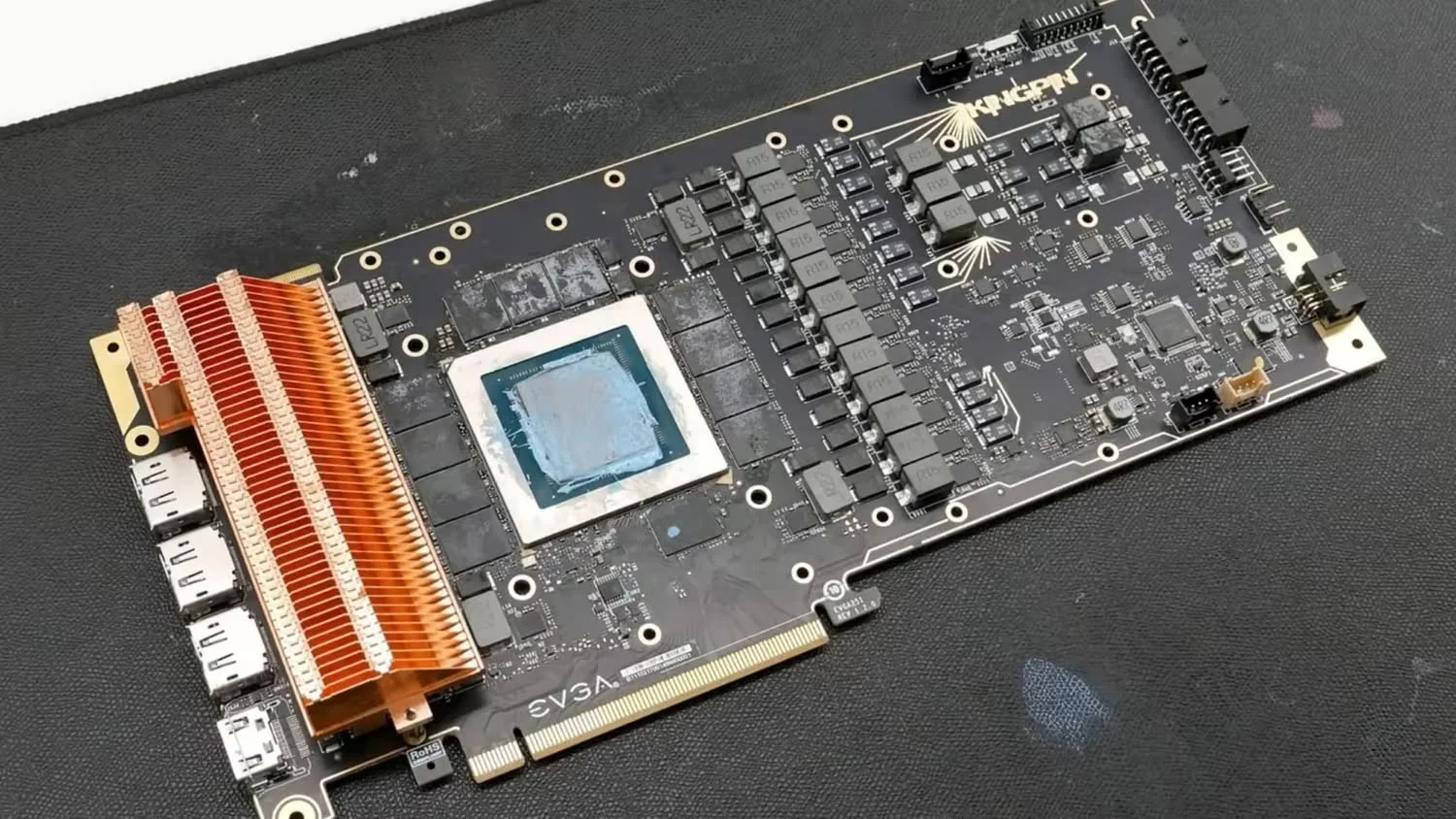
The card was built for enthusiasts seeking more headroom than a standard gaming GPU, including overclockers using liquid nitrogen. For that use, Lucido wanted a dual-connector design. NVIDIA’s reasoning for preferring one connector has not been reported, and the account so far comes from Lucido rather than both sides of the discussion.
EVGA’s flagship reached buyers with two connectors
The RTX 3090 Ti KINGPIN ultimately retained two 16-pin 12VHPWR connectors. It arrived roughly three months after the standard RTX 3090 Ti and was priced at about $2,500 with a 1,600-watt EVGA power supply. The premium bundle reflected the card’s specialized audience and substantial power requirements, rather than positioning it as a mainstream gaming option.
EVGA ended its graphics-card business in 2022 after a broader deterioration in its relationship with NVIDIA. The connector dispute is a separate episode in that history; Lucido did not identify it as the sole reason EVGA left the GPU market.
ASUS collaboration remains unconfirmed
Lucido’s video also showed hardware supplied by ASUS and discussed the possibility of a future KINGPIN card with the company. No ASUS-branded KINGPIN graphics card has been announced. Lucido said any such design would need to let users reach the GPU’s overclocking potential under liquid-nitrogen cooling without requiring modifications to the card.
For PC hardware enthusiasts, the account highlights how power-delivery decisions can affect both a flagship card’s design and its route to market. But the production impact remains Lucido’s characterization: the exact number of cards made, and NVIDIA’s response to his account, are not publicly known.