


AI infrastructure demand is tightening supplies of printed circuit boards (PCBs), a basic component used in PCs, graphics cards and countless other devices. Industry reports say some PCB lead times have reached 30 months, while a major supplier’s order book extends to 2030. Higher material and labor costs could add pressure to consumer hardware pricing, though the scale of any price increases remains uncertain.
Key takeaways
PCB supply constraints could make it harder for PC makers to secure components and plan production. Reports point to demand from AI servers, rising material costs and limited manufacturing capacity as contributing factors.
- Some PCB orders reportedly have lead times of up to 30 months.
- One leading copper-clad laminate supplier is said to have orders booked through 2030.
- Reported cost increases could put additional pressure on prices for motherboards, GPUs and other consumer hardware.
AI demand is competing for manufacturing capacity
Nikkei Asia, as cited by several technology publications, reported that PC makers are struggling to secure enough boards for future products—even amid expectations that PC shipments could decline. PCB manufacturers are reportedly prioritizing customers willing to pay more, leaving traditional electronics buyers competing for available capacity.
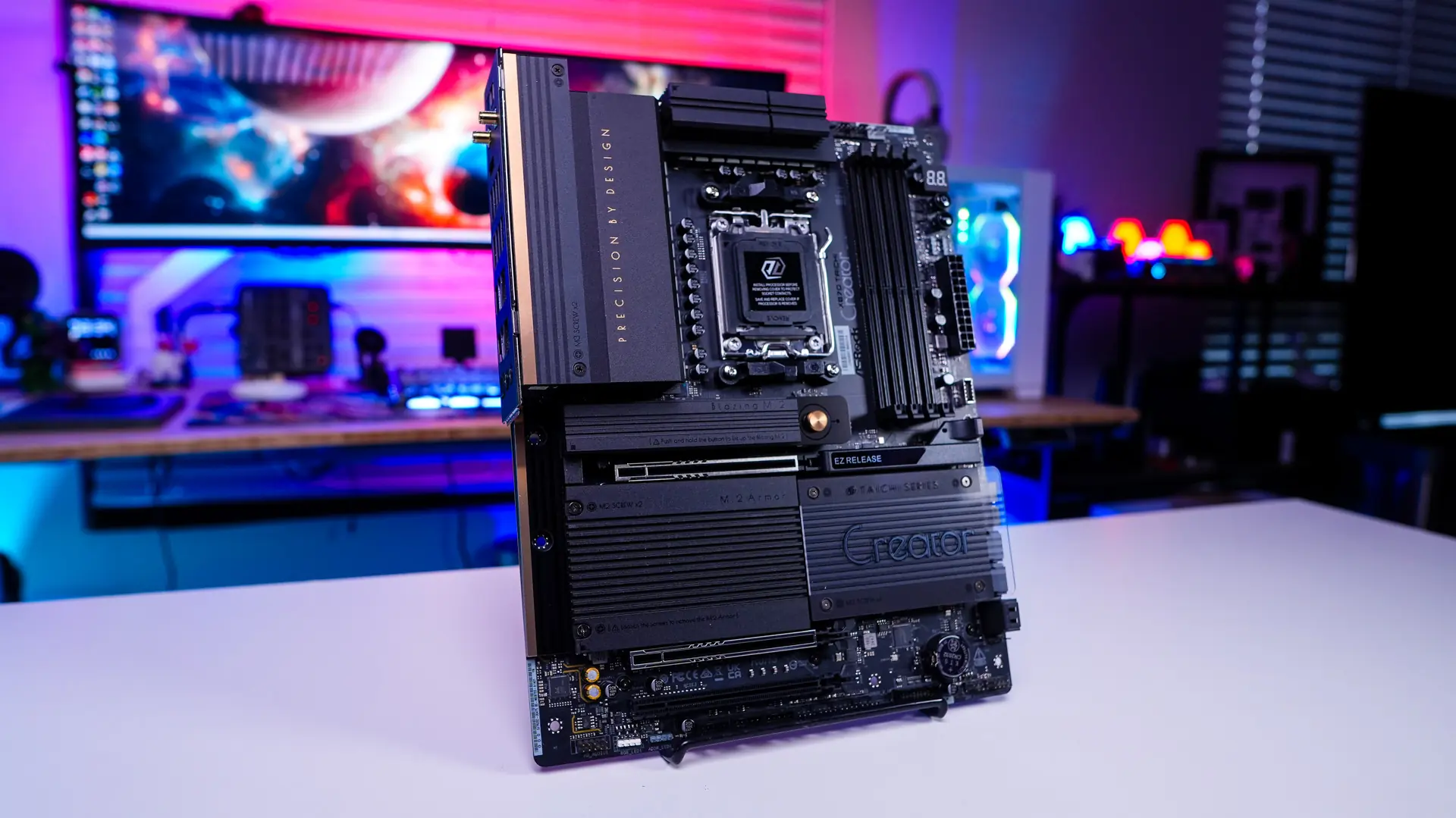
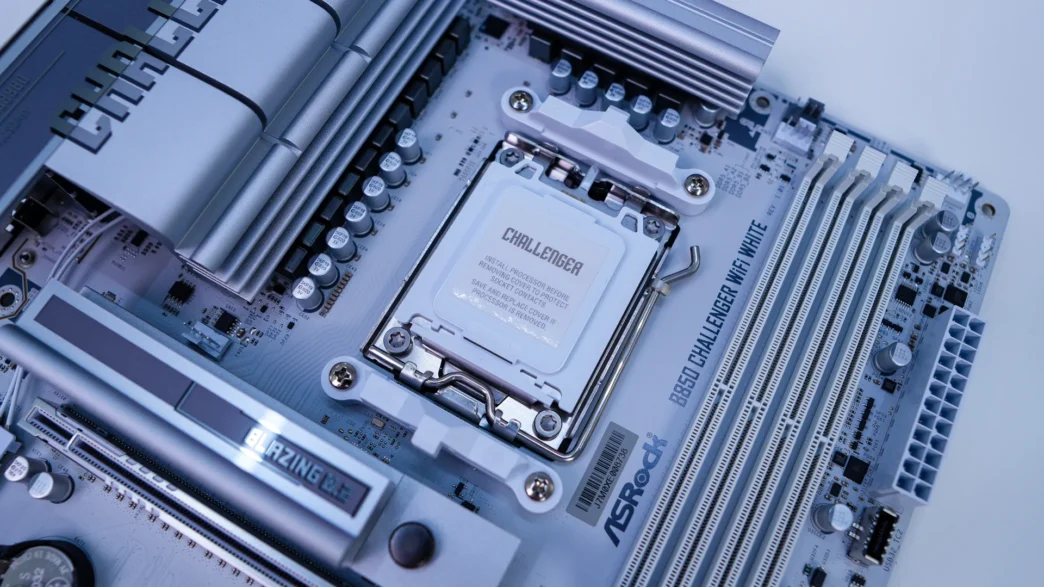
AI servers use complex boards that require multiple layers and substantial amounts of copper and specialized fiberglass. Those requirements, combined with strong investment in AI infrastructure, are drawing production resources toward higher-value orders. For PC builders, the concern is not limited to one component category: PCBs are used across motherboards, graphics cards and many other devices.
Materials and staffing add to the squeeze
Expanding PCB production depends on access to materials such as copper-clad laminates (CCLs), which form part of the board structure. A Taiwanese PC maker reportedly said CCL prices had risen as much as 12-fold since July. One major supplier’s order book is said to extend to 2030, despite plans to triple capacity by 2028.
Manufacturers also need skilled workers to build and operate new facilities. Reports indicate PCB industry wages have increased by 20% to 30% as companies compete to retain staff and recruit for expansion. That means adding factory capacity may not quickly resolve shortages if materials and labor remain constrained.
What it could mean for PC buyers
If board availability tightens or input costs keep rising, PC makers may face higher production costs and longer planning cycles. That could feed into prices for motherboards, graphics cards and complete PCs, but the reports do not establish how much prices will rise or when. Companies may also absorb some costs, adjust product mixes or prioritize certain customers.
For enthusiasts considering an upgrade, the reports are a reason to watch availability and pricing—not proof that an immediate purchase is necessary. ThinkComputers will be watching how supply conditions affect the components and systems PC builders rely on, as manufacturers expand capacity and compete for materials.