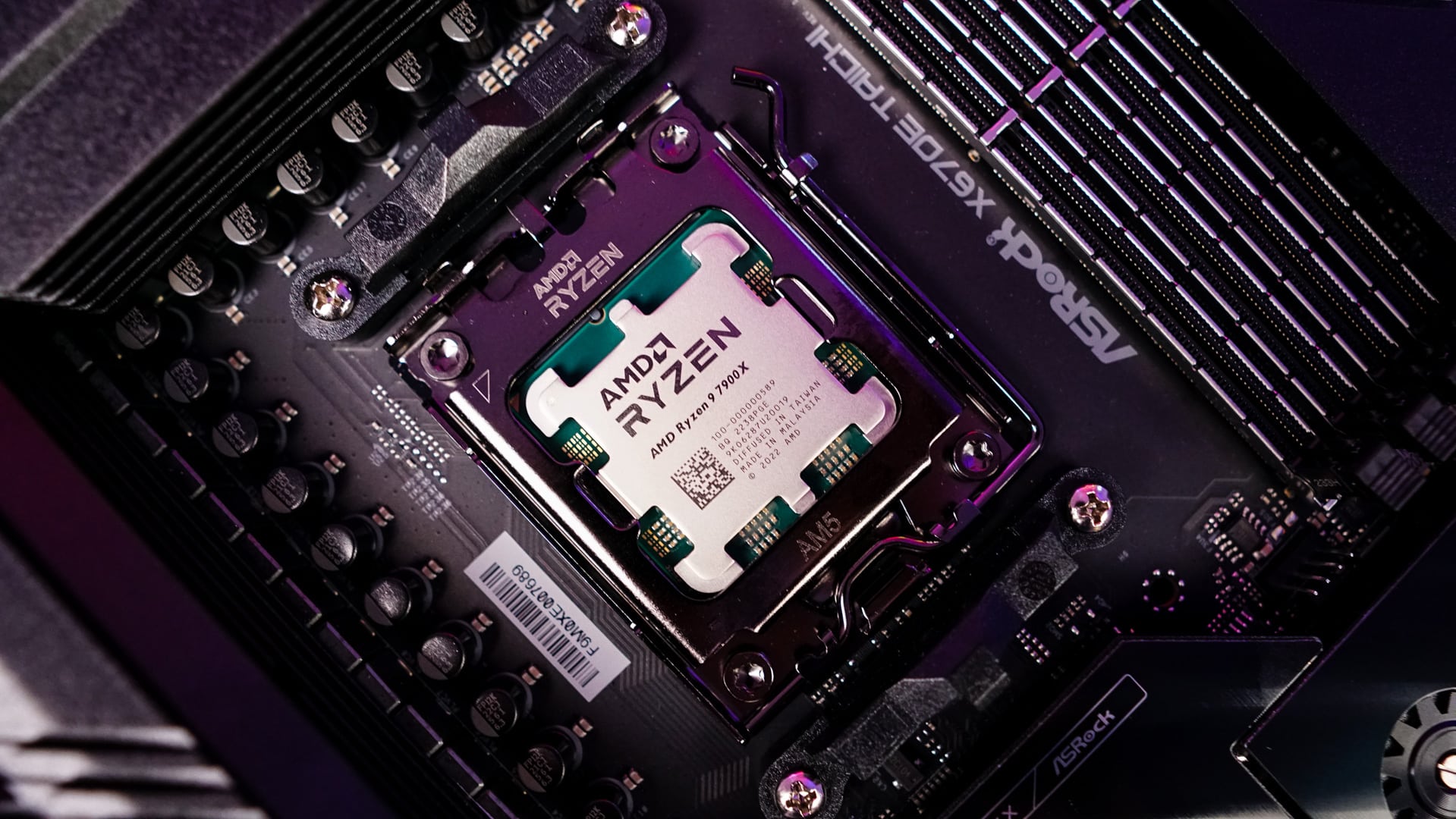
AMD has identified the cause of recent AM5 socket burnout issues, attributing the problem to motherboard vendors not adhering to official BIOS specifications. The company stated that certain Original Design Manufacturer (ODM) BIOSes contain configurations that deviate from AMD’s recommended values, leading to the overheating and damage of AM5 sockets, particularly affecting Ryzen 7 9800X3D processors. AMD is actively collaborating with its board partners to rectify these issues and strongly advises users to maintain updated BIOS versions for optimal performance and stability.
Key Takeaways
- AMD blames non-compliant ODM BIOSes for AM5 socket burnout issues.
- The problem is more complex due to the wide range of AM5 CPU-motherboard combinations.
- Users are strongly advised to update their motherboard BIOS to the latest version.
- AMD is working with motherboard partners to resolve the issue.
AMD Points Finger at Motherboard Vendors
In a recent interview, AMD representatives David McAfee and Travis Kirsch explained that the persistent reports of AM5 socket burnout are not due to faulty CPUs but rather to BIOS configurations that do not align with AMD’s official specifications. They highlighted that some Original Design Manufacturers (ODMs) have implemented BIOS settings that push components beyond recommended limits, leading to the observed failures.
AMD takes quality very seriously. To this end, we work closely with board partners during product and BIOS development to ensure that products operate within specification limits.
This issue arises because some ODM BIOSes do not adhere to AMD’s recommended values. AMD’s position is fundamentally to provide the highest quality products through thorough testing.
We always recommend everyone update their motherboard BIOS to the latest version. This is because it incorporates additional features, performance improvements, and troubleshooting solutions.
One thing to add is that one of the downsides of the flexibility AMD offers is that competing platforms often limit the number of motherboard and CPU combinations available for a given platform.
AMD, on the other hand, offers a wide range of combinations, and also supports PBO and overclocking. This means there are a vast number of possible scenarios. While this is a complex issue, we are working closely with our partners to resolve issues and further evolve the platform.
The Complexity of the AM5 Platform
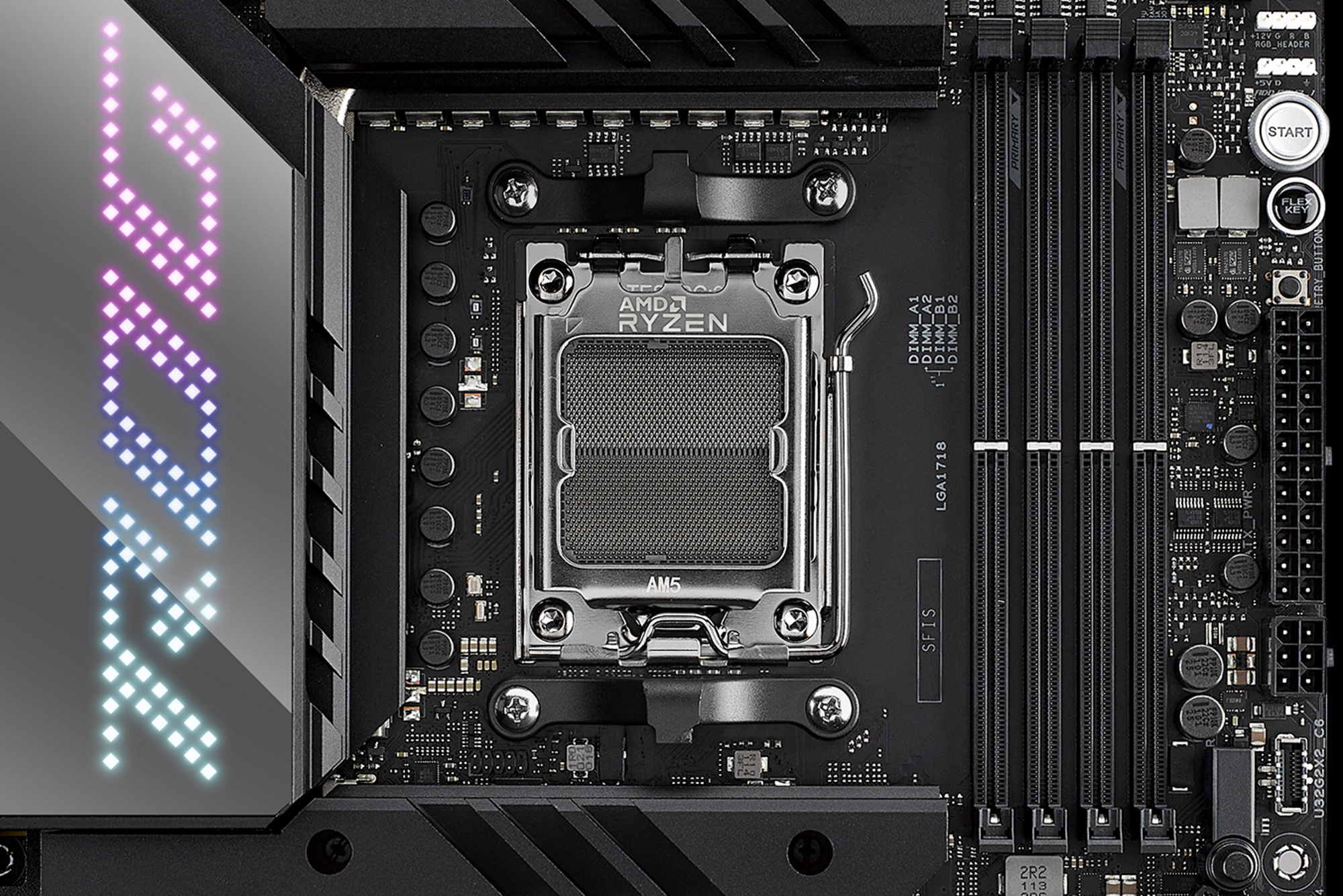
AMD acknowledged that the AM5 platform’s flexibility, offering a vast array of CPU and motherboard combinations, contributes to the complexity of the issue. This wide compatibility, while beneficial for consumers, also presents more potential points of failure when BIOS configurations are not optimized correctly. The company emphasized its commitment to quality and thorough testing in product and BIOS development.
Recommendation: Update Your BIOS
To mitigate these problems, AMD strongly recommends that all users keep their motherboard BIOS updated to the latest available version. These updates not only incorporate new features and performance improvements but also include crucial troubleshooting solutions that can prevent issues like socket burnout. AMD is working closely with its board partners to develop and optimize BIOS versions that adhere to their specifications.
Industry Response and User Concerns
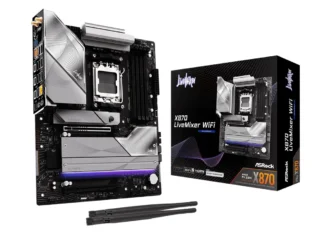
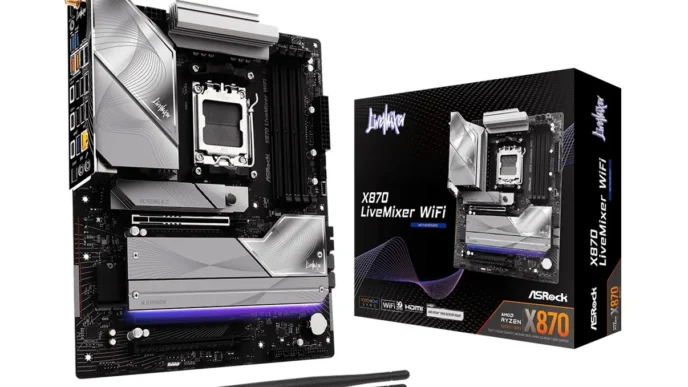
While AMD places the blame on third-party BIOS, some users and industry observers have noted that similar issues have occurred with other platforms in the past, with varying degrees of vendor responsibility. Reports indicate that ASRock motherboards have been disproportionately affected, prompting the company to release multiple BIOS updates aimed at resolving the burnout and failure issues. Despite these efforts, some users report that the problems persist, underscoring the need for continued vigilance and collaboration between AMD and its partners to ensure the long-term stability of the AM5 platform.
Via Quasar Zone