


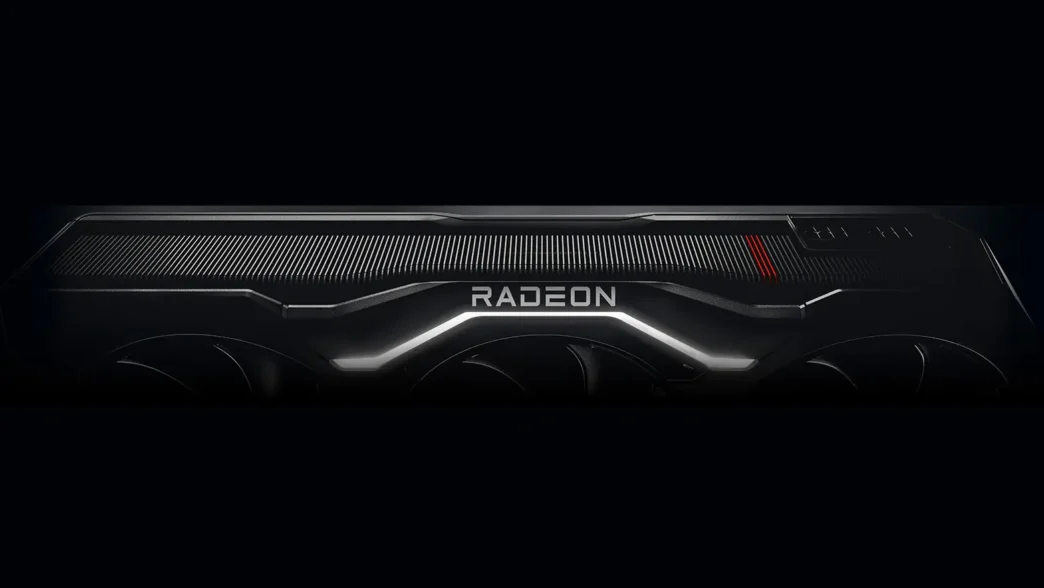
AMD is reportedly preparing a broad price increase of about 10% for several chip categories in the fourth quarter of 2026. The move is linked to higher wafer costs from TSMC and could affect Radeon graphics cards, AI accelerators, motherboard chipsets and potentially Ryzen processors. AMD has not publicly confirmed the change.
Key takeaways
- A reported 10% increase could arrive between October and December 2026.
- Radeon GPUs, AI chips and motherboard chipsets are specifically named in the reports.
- Ryzen CPU pricing has not been confirmed as affected, but higher wafer costs could raise the risk.
- Board manufacturers and PC builders may ultimately absorb the increase through higher retail prices.
TSMC wafer costs are reportedly driving the change
The reported increase originates with Taiwan Semiconductor Manufacturing Co., which produces much of AMD’s silicon. Industry reports claim TSMC has notified customers of wafer price increases of approximately 10%, prompting AMD to alert its manufacturing and board partners.
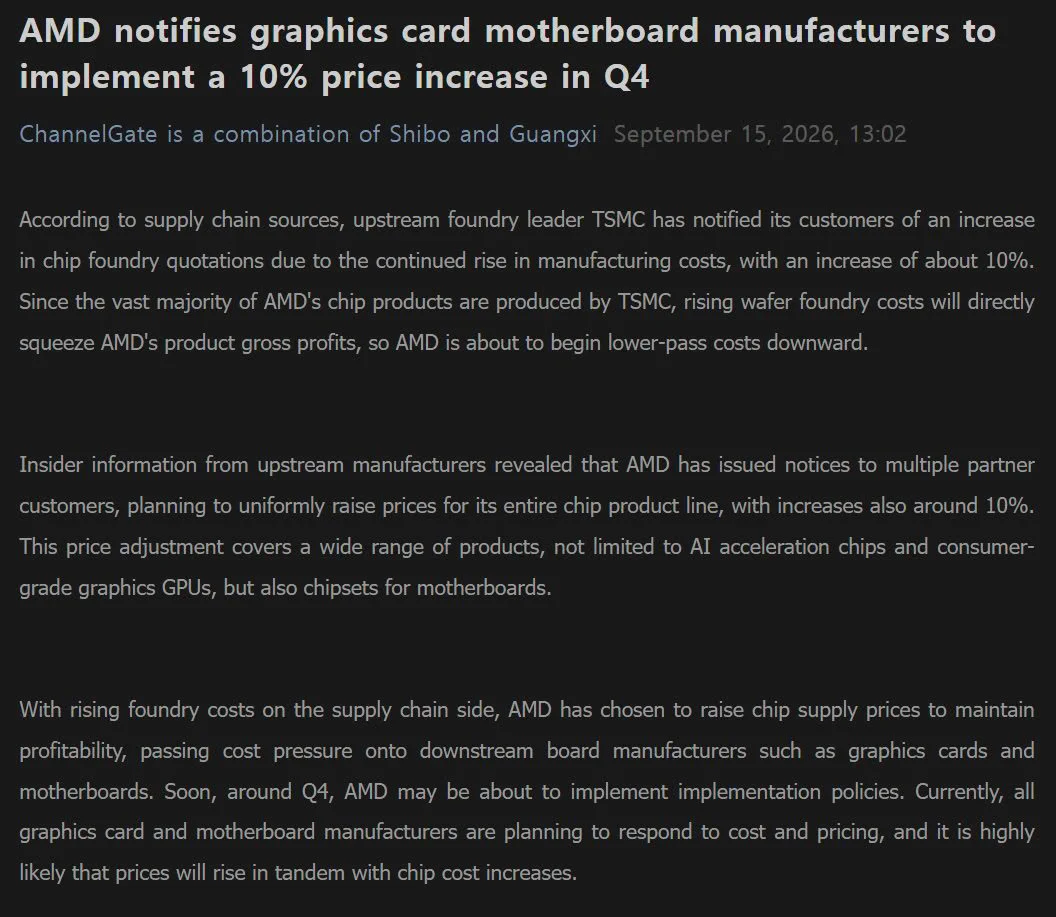
As a fabless semiconductor company, AMD relies on external foundries rather than operating its own leading-edge production facilities. Higher wafer prices therefore place direct pressure on AMD’s margins or require the company to pass additional costs through its product and partner pricing.
Radeon GPUs and chipsets could be affected first
The reports specifically identify AI accelerators, consumer graphics processors and motherboard chipsets as potential targets for the Q4 adjustment. A change to chipset pricing would be notable because motherboard manufacturers could need to raise prices across products using AMD platforms.
Radeon graphics cards are already facing an unfavorable pricing environment. The Radeon RX 9070 XT launched with a $599 MSRP, while reported street pricing has reached roughly $750 in some markets. Earlier increases were associated largely with memory costs; a broader silicon increase could affect a wider range of models rather than only high-memory cards.
For gamers and PC builders, even a flat 10% increase could make mid-range upgrades less attractive and push complete system costs higher. Retail pricing will also depend on inventory, board-partner margins, currency movements and regional distribution costs.
Ryzen CPU pricing remains unconfirmed
Neither the reported partner notification nor AMD’s public statements confirm that Ryzen processors will receive a 10% increase. CPUs are not explicitly listed in the initial reports, but AMD’s client processors use TSMC-produced dies, making them vulnerable to the same underlying cost pressure.
That means higher Ryzen pricing remains possible, particularly for newer products manufactured on advanced nodes. However, existing inventory, promotional pricing and competition with Intel could limit how quickly any cost increase appears at retail. Buyers should treat CPU speculation separately from the more clearly reported GPU and chipset changes.
What PC buyers should watch
AMD is reportedly planning new pricing policies in Q4, although the details and timing remain unclear. Retailers may not apply any increase uniformly, and older stock could temporarily remain at current prices.
Enthusiasts considering a Radeon graphics card, AMD motherboard or Ryzen upgrade may want to monitor pricing before the fourth quarter begins. Until AMD confirms the policy, however, the alleged 10% increase should be regarded as an industry report rather than a finalized MSRP change.
Via Harukaze on X