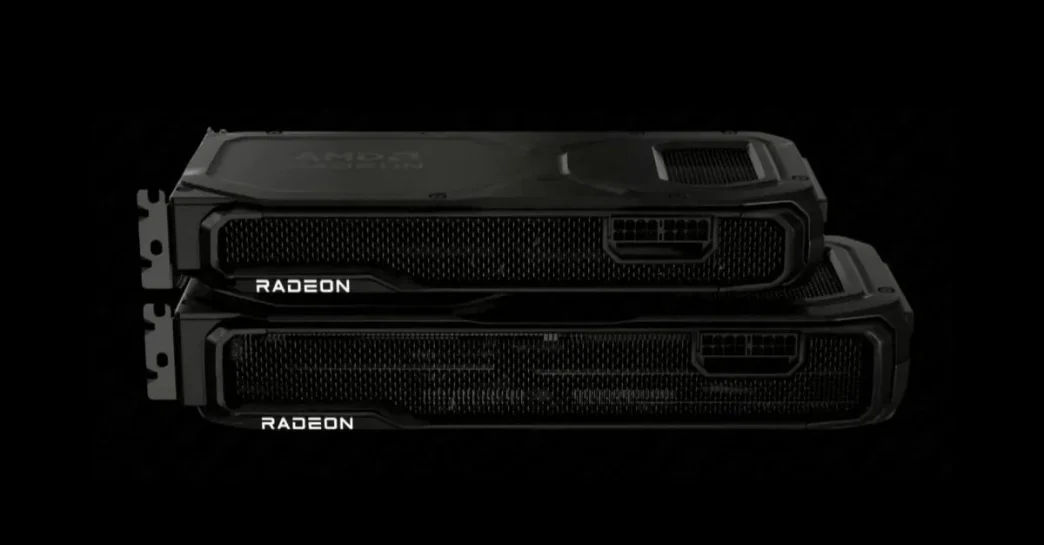
AMD appears to be strategically shifting its production focus towards the higher-end Radeon RX 9070 XT graphics card, reportedly at the expense of the standard RX 9070 model. This decision is driven by the escalating costs of graphics memory, which are impacting the profitability of lower-margin GPUs. While production of the non-XT version is not ceasing entirely, it will receive less manufacturing capacity.
Key Takeaways
- AMD is prioritizing the Radeon RX 9070 XT due to rising memory costs.
- Both the RX 9070 and RX 9070 XT use the same 16GB GDDR6 memory configuration.
- The RX 9070 XT offers a better profit margin, justifying the production shift.
- Production of the non-XT model will be reduced, not stopped.
- AMD is working with partners to stabilize memory pricing and availability.
Production Shift Driven by Memory Costs
Recent reports indicate that AMD is reallocating internal capacity to favor the Radeon RX 9070 XT. This strategic move is a direct response to the increasing prices of graphics memory, which make it more challenging to maintain profitability on cards with lower MSRPs. Both the RX 9070 and the RX 9070 XT utilize the same Navi 48 die and 16GB of GDDR6 memory, meaning their production costs are nearly identical. However, the RX 9070 XT, with its higher suggested retail price, can better absorb these rising memory expenses without necessitating significant price adjustments.

Balancing Profitability and Availability
The decision to prioritize the RX 9070 XT aims to maximize profit margins and justify the engineering efforts invested in the series. While the non-XT version, which uses a slightly lower-binned Navi 48 XT die, will still be produced, its allocation will be reduced. This ensures that AMD can concentrate on the SKU that offers a better return on investment, especially in a market where memory pricing is a significant bottleneck. This strategy is also seen as a way to minimize the need for future price corrections on the more expensive model.
Collaboration and Future Outlook
Despite the shift in production focus, AMD is not halting the manufacturing of the Radeon RX 9070 entirely. Instead, it will receive less capacity, which is not expected to cause a severe shortage. Furthermore, AMD is actively collaborating with its add-in card (AIC) partners to stabilize memory pricing and ensure better availability of current hardware. While no guarantees can be made, these efforts are aimed at maintaining more stable pricing and supply for consumers. Industry analysts suggest that this focus on higher-margin products due to memory costs could persist for some time.
Via PROHARVER