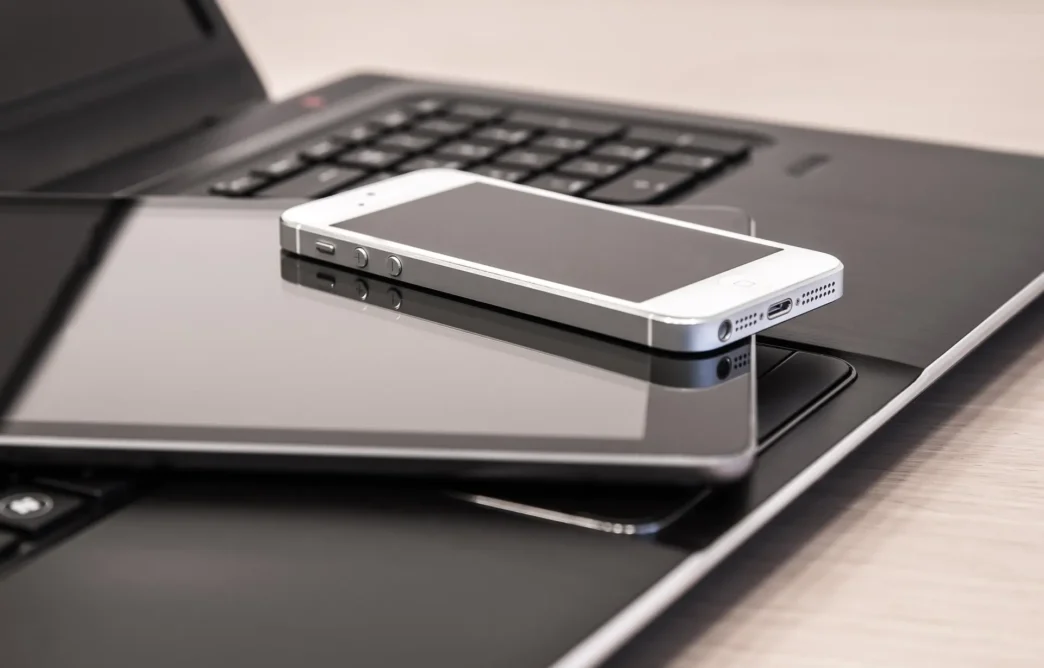
The IDC claims that PCD shipments grew 4.6% from the previous year, reaching 109.4 million in the last quarter of 2024. However, desktop shipments didn’t even reach 19 million, while more than 49 million tablets and 21 million detachables were shipped. The gap between smaller, more portable devices and desktops has grown exponentially. These devices are slowly edging out the traditional desktop as the go-to machines for gaming, work, and everything else.
The conversation isn’t new, either. Portable machines have gained tons of ground since the first wave of mainstream laptops was released in the 1990s. What becomes more relevant to the conversation today is how the gap in performance has quickly closed. Cultural changes have also influenced which devices work better. Discover how smaller, portable devices are slowly taking over desktops.
Portability Has Become a Necessity
Potability is no longer a simple feature to gain a competitive advantage. It’s become the foundational demand of users worldwide. Employees move between remote locations and offices in hybrid work environments, while creators shoot videos in the field and edit them on location. A desktop feels like a chain to a desk that doesn’t fit the lifestyle anymore.
The rise of handheld gaming devices and powerful tablets has also overtaken the traditional PC market. Meanwhile, websites cater to portability to allow users access from any device. For example, raffle sites now work on all devices (source: https://realraffle.com/). They were originally designed to work on laptops and desktops, but they now work seamlessly across smartphones and tablets, dynamically responding to different screen sizes without removing any of the features and interface qualities users expect. The sites vet all their raffle partners strictly before delivering a wide selection of holiday raffle packages to any device, anywhere.
Many developers cater to the rising demand for portability. Another example is how games on the ASUS ROG Ally and Steam Deck allow gamers to enjoy high-quality PC games while travelling to work. Apple’s iPad Pro, using the M-series chip, also demonstrates how creative software like DaVinci Resolve and Adobe can be used by creators on the move. Smaller, more portable devices have become the new era of computers while allowing users the freedom to move around and access the high-quality content they need.
Compact Package Performance
Small and portable doesn’t mean lower performance anymore. Desktops once had an advantage as they had more room for high-end GPUs and space for cooling. They also allowed users to swap components easily. Laptops didn’t allow these features. However, that perception has become outdated today. Smaller machines can handle almost any workload easily with NVIDIA and AMD’s high-end GPUs and Intel and AMD’s high-performance mobile processors. Even high-level gamers can build new laptops while integrating the top gaming CPU, like the AMD Ryzen 9, which competes well with the desktop options.
Other leading gaming laptops use the RTX 40-series GPU to provide enough horsepower for modern titles. While they don’t compete equally with the most powerful desktop GPUs, they offer a similar performance in a compact device. Many gamers who order a custom-built laptop pair these GPUs with high-refresh displays in portable chassis to combine their entertainment hub with a workstation.
Upgrades vs. Replacements
Many gamers and PC users who’ve built their setups from scratch have the advantage of choosing the upgrade path. They already built their PC’s to meet their expectations and can easily slot in another graphics card, replace the motherboard, or add more storage without buying a whole new machine. This tradition is more limited in portable formats.
However, the industry is finding ways around the limits. External GPU enclosures now allow laptops to connect to desktop-quality graphics cards using USB4 or Thunderbolt. In a sense, this allows for similar upgrades without abandoning portability. Using an eGPU allows users to effortlessly integrate NVIDIA and AMD graphics cards for desktop-level performance on a portable device.
Memory and storage upgrades have also improved in some modern laptops, albeit they aren’t as straightforward as opening a PC case. The rate of technological progress also means that many high-quality laptop users prefer replacing their devices every 4-5 years. Desktops allow easier upgrades, while laptops encourage replacements for long-term upkeep with the latest technologies and hardware capabilities.
Desktops Stand Their Ground
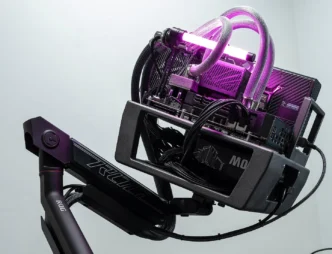
It wouldn’t be realistic to think that desktops are a forgotten device. These devices remain the top choice for high-end workstation builds, gaming rigs, and anyone who wants top-tier performance. Video editors and professional streamers typically rely on custom cooling, multi-GPU setups, and massive storage arrays. Desktop towers reign supreme in this regard.
Another area where desktops will continue to thrive is the cost-to-performance ratio. Custom desktops often outperform laptops in the same price range, particularly regarding longevity under sustained workloads and graphics power. This matters to someone who runs applications that run hardware for hours or those who want to capture every frame in an eSports tournament.
A Balance Between Lifestyle and Work
Gallup claims that 51% of US employees now have hybrid work setups, where they spend half the time at an office and the other half at home or on the move. The rise of portable machines aligns with the growing demand for mobile workstations that move with hybrid workers. Carrying a laptop across time zones or even between meetings is much simpler than depending on a desk-chained device like a desktop.
Even gamers have moved closer to portability, with LAN parties consisting of thin laptops rather than hauling heavy towers and CRTs across the city. Others bring handheld PCs and consoles in their backpacks. The convenience has altered habits across work and play.
Conclusion
Are smaller, more portable devices taking over the realm of desktops? In some cases, yes. The sales numbers also don’t lie. The growth of portable devices has certainly suggested that desktops are becoming a forgotten hardware. However, that isn’t true. Desktops aren’t forgotten or useless. They’re more specialized and focus on delivering high-performance computing that laptops, tablets, and handhelds can’t match.
The gap between the two will shrink more as hardware makers pack more power into smaller designs. Cooling technology improvements, ARM-based chips, and battery life advances will see more portable devices taking over. For now, there remains a balance, and it depends on what the specific user needs from their device.