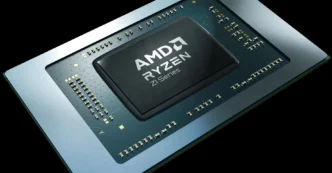
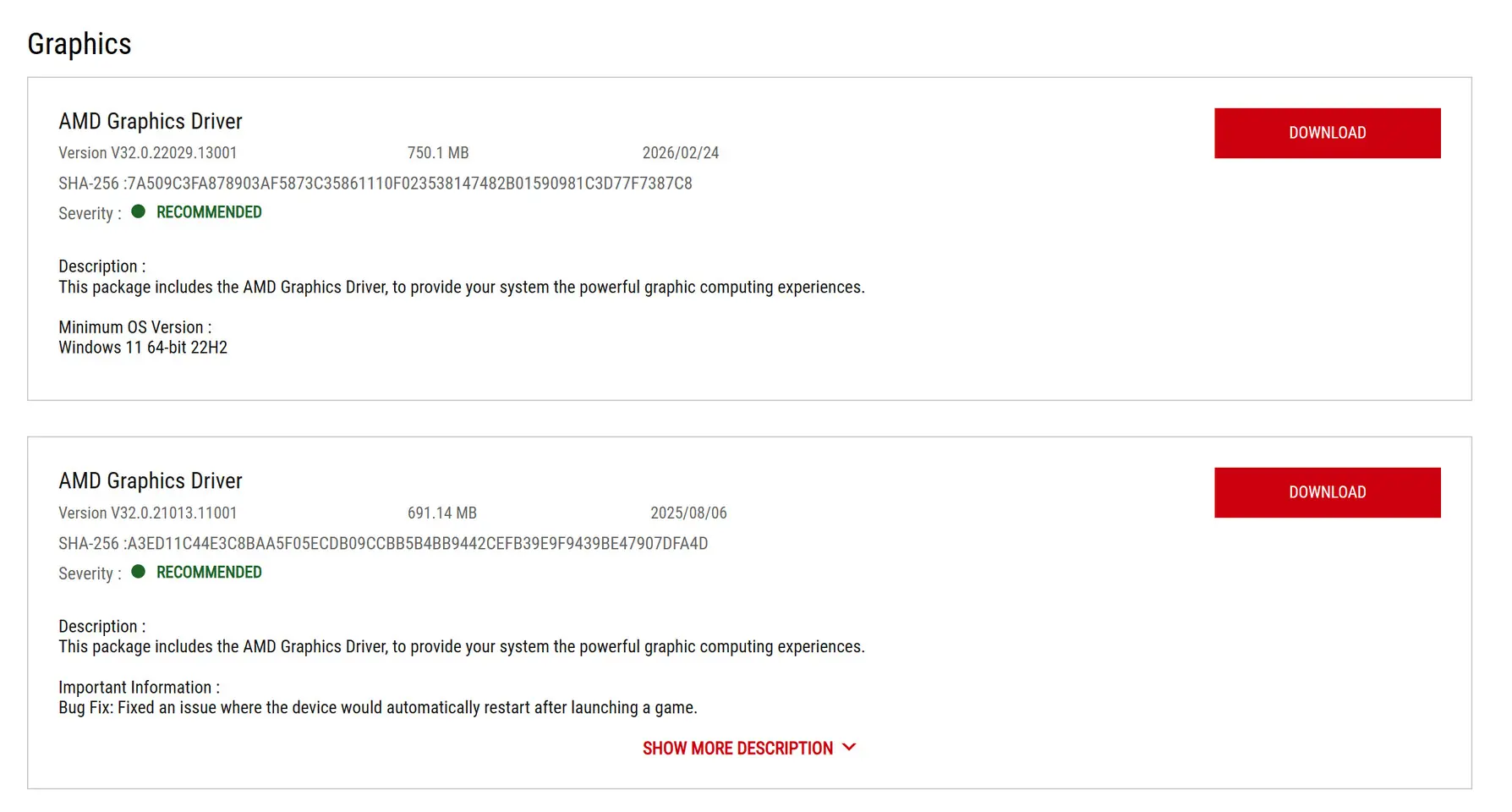
After a concerning six-month drought in driver updates, ASUS has released a new SoC driver for its ROG Ally handheld gaming console, featuring the AMD Ryzen Z1 Extreme processor. This update comes as a relief to users who feared the platform was being abandoned, especially following similar news from Lenovo regarding their own devices.
Key Takeaways
- ASUS has released a new driver update for the ROG Ally, ending a six-month period without updates for the AMD Ryzen Z1 Extreme SoC.
- This update alleviates concerns about the platform being abandoned, though its long-term update frequency remains uncertain.
- Lenovo has confirmed they are ceasing driver updates for their devices, shifting focus to newer SoCs.
- The irregular update cycle highlights potential challenges in driver support for custom SoC configurations in handheld PCs.
A Welcome Update Amidst Uncertainty
The ASUS ROG Ally, a popular handheld gaming PC, had not received a System-on-Chip (SoC) driver update since August 2025. This prolonged silence, coupled with Lenovo’s announcement that they would no longer provide driver updates for their devices, had fueled speculation that AMD and its partners were winding down support for the Ryzen Z1 Extreme. However, the recent release by ASUS offers a glimmer of hope, suggesting that the platform might not be entirely neglected.
The Blame Game and OEM Customization
Determining the exact cause for the irregular update schedule has been difficult, with blame potentially falling on either AMD or the Original Equipment Manufacturers (OEMs) like ASUS and Lenovo. AMD’s Ryzen Z1 Extreme offers configurable TDP (cTDP) options, allowing OEMs to utilize the SoC in various power configurations. Each of these custom setups requires thorough testing and verification before official driver distribution, a process that can lead to delays.
Lenovo’s Stance and the Future of Handheld Support
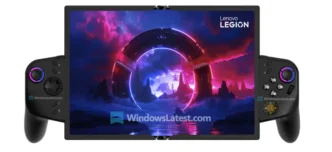
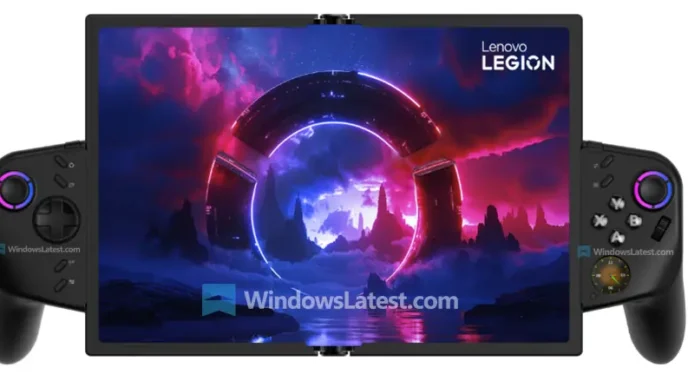
Adding to the complexity, Lenovo Korea has officially confirmed that their driver update plan for their products has ceased. This leaves owners of Lenovo Legion Go handhelds without further official support, prompting some users to consider alternative operating systems like Linux to ensure continued driver compatibility and longevity. The situation leaves many ASUS ROG Ally owners wondering if this recent update is a sign of continued support or merely a final gesture before the platform is also sidelined.
A Competitive Handheld Landscape
The handheld gaming PC market is becoming increasingly competitive, with Intel and potentially NVIDIA also vying for a share. Concerns have been raised about AMD’s commitment to this segment, especially with rumors of limited architectural advancements and potentially short driver support lifecycles. While ASUS has provided at least one update, the industry will be watching closely to see if they maintain a consistent update cadence or eventually follow Lenovo’s path.
Via ASUS