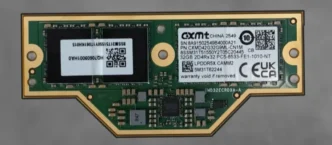
Lenovo has taken a significant step in laptop innovation by introducing CXMT LPCAMM2 memory modules in its new ThinkBook 2026 models. This marks a critical industry shift toward more upgradeable, high-performance memory amid global memory shortages.
Key Takeaways
- Lenovo ThinkBook 2026 is the first mainstream consumer laptop to use CXMT’s LPCAMM2 memory modules.
- LPCAMM2 combines high-performance LPDDR5X speeds with the flexibility of upgradeable laptop memory.
- CXMT’s participation reflects growing OEM interest in Chinese semiconductor suppliers, especially during supply chain challenges.
What Is LPCAMM2 Memory And Why Does It Matter?
The LPCAMM2 memory format is emerging as a game-changer in modern laptops. Unlike traditional soldered LPDDR5X, LPCAMM2 retains the speedy performance characteristics but comes in a removable package, closely resembling SODIMM modules. This enables users to upgrade or replace memory, which was previously impossible with soldered RAM in slim laptops.
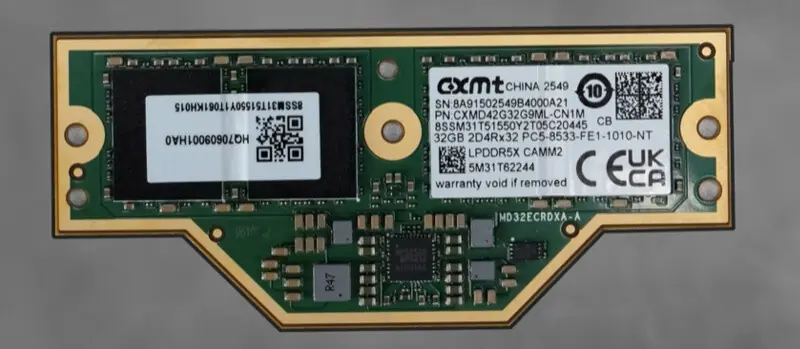
For laptop users, LPCAMM2 modules mean the flexibility to extend device longevity or enhance performance post-purchase, previously only available with much bulkier laptops.
CXMT’s Rising Role in the Memory Market
ChangXin Memory Technologies (CXMT), a Chinese semiconductor firm, is gaining traction as an alternative supplier for PC OEMs. While memory giants from South Korea and the US have dominated the DRAM supply, shortages and rising prices have prompted companies like Lenovo and reportedly even Apple to seek new partners.
CXMT has demonstrated its ability to produce high-speed memory, showcasing DDR5-8000 and LPDDR5X-10667 modules at tech expos. Their rapid involvement in assembling LPCAMM2 modules for Lenovo reflects both technical prowess and the urgency of global supply challenges.
Lenovo ThinkBook 2026: Specifications and Innovation
The Lenovo ThinkBook 2026 series, including the 14+ and 16+ models, is expected to feature Intel Core Ultra Series 3 processors paired with up to 32 GB of LPCAMM2 LPDDR5X-8533 memory. This combination positions the ThinkBook at the forefront of mainstream laptops, offering not only performance but also unprecedented upgradeability.
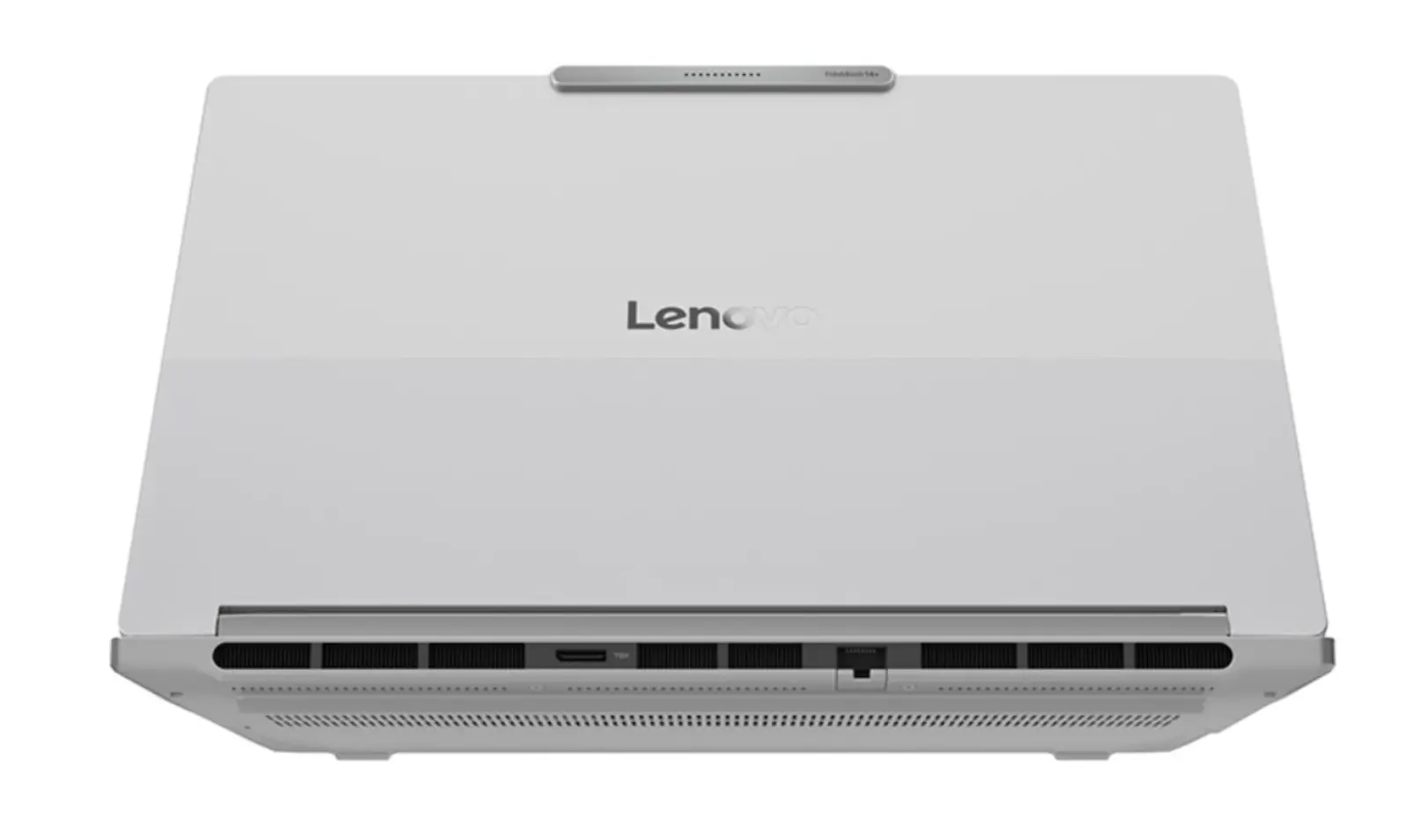
Additional enhancements include support for up to 8 TB of storage with dual M.2 2280 slots, appealing to professionals and power users alike. The use of detachable memory in a slim, portable chassis blurs the line between workstation and consumer device, moving the market forward.
Broader Impact On The PC Industry
Lenovo’s adoption of LPCAMM2 and partnership with CXMT could signal a new trend in the PC industry. As more OEMs look for reliable, innovative memory sources, especially given current shortages, alternatives to the traditional suppliers may become increasingly common. The success of these moves could encourage similar innovations in other product lines and brands.
Moreover, the shift toward upgradeable memory responds to long-standing consumer demands and environmental sustainability, as devices last longer and require fewer full replacements.
What’s Next For Upgradable Laptops?
Only time will tell how fast LPCAMM2 adoption will expand to other laptop families. However, Lenovo’s bold release sets a precedent—showing that mainstream, thin-and-light laptops can be both high-performing and user-upgradeable, with memory supply diversification now a strategic imperative for the industry.
Via WCCFTech