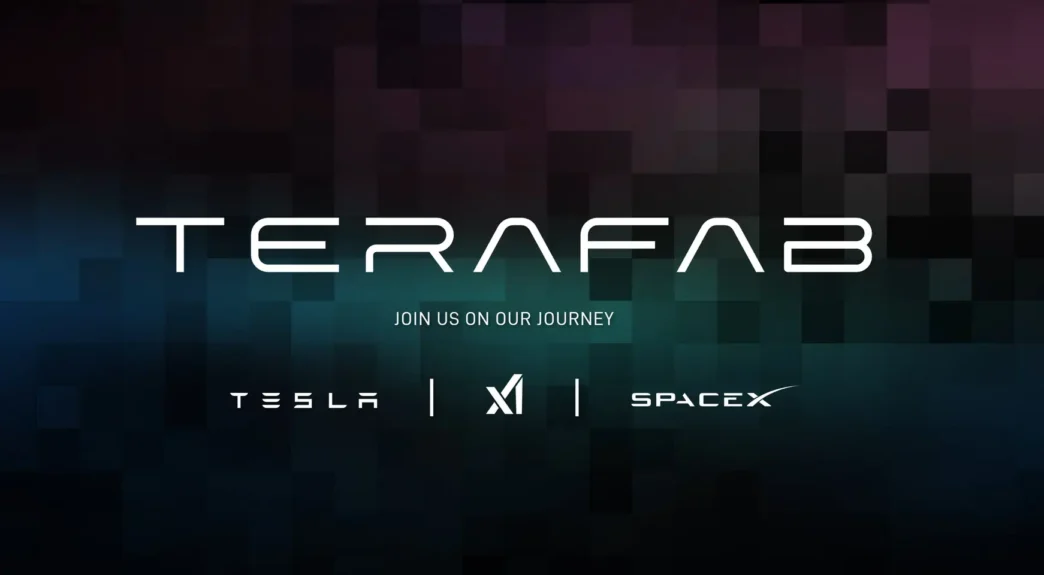
Elon Musk has announced plans for “TERAFAB,” a colossal $20-25 billion chip fabrication facility set to be built in Austin, Texas. This ambitious joint venture between Tesla, SpaceX, and xAI aims to produce an unprecedented amount of computing power annually, fueling Musk’s AI and space exploration ambitions.
Key Takeaways
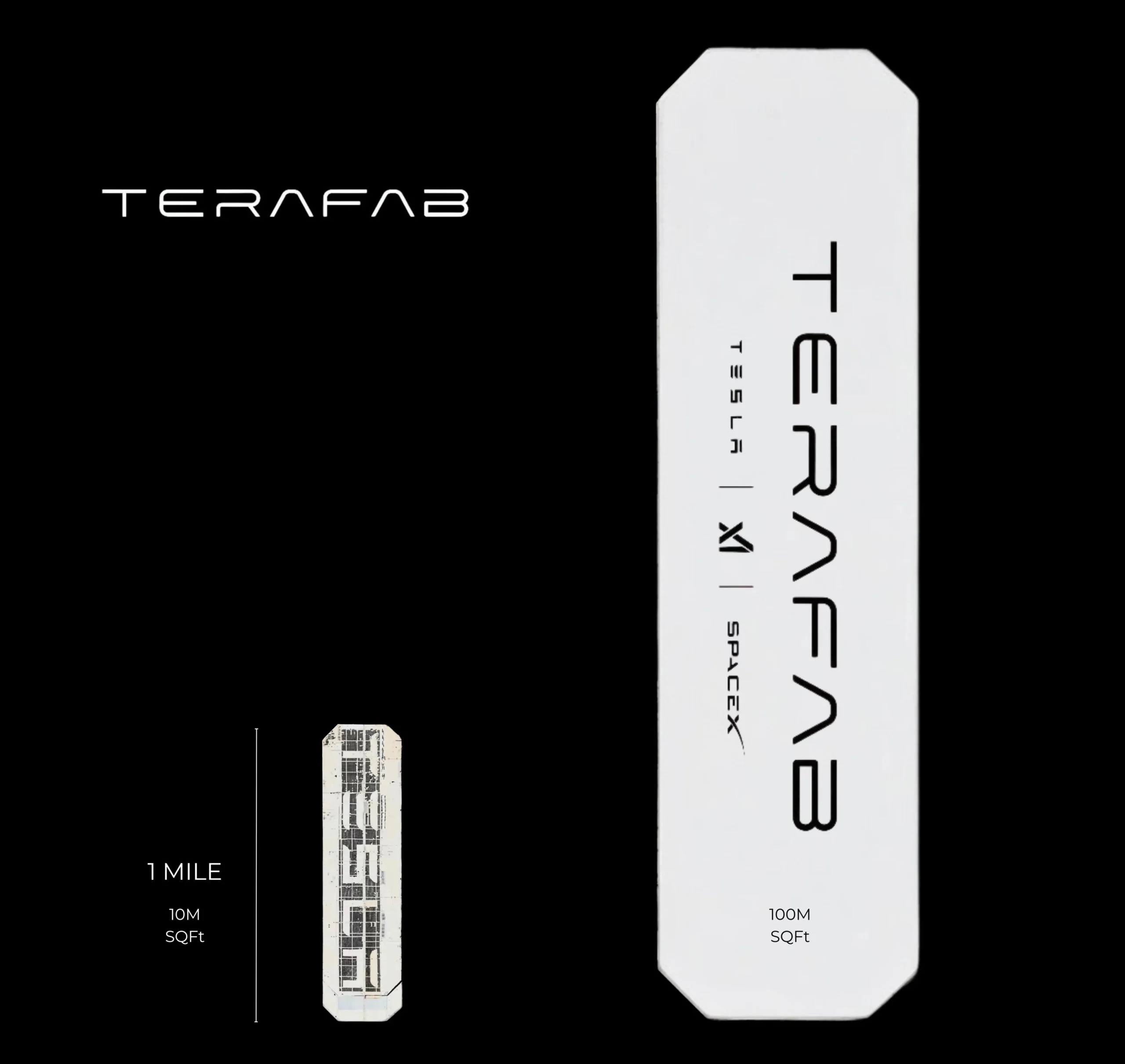
- Massive Scale: Terafab is designed to be the largest semiconductor fab ever built, with initial production targets of 100,000 wafer starts per month, scaling to 1 million at full capacity.
- Advanced Technology: The facility will target 2-nanometer process technology, the most advanced node currently entering commercial production.
- Dual Purpose: Chips will power Tesla’s autonomous driving, Optimus robots, and SpaceX’s orbital AI satellites.
- Addressing Supply Chain Gaps: Musk cited the limitations of current suppliers as a primary driver for building Terafab in-house.
- Space Computing Focus: A significant portion of the facility’s output is earmarked for space-based AI satellites.
The Terafab Vision
Musk unveiled the “Terafab” project at the Seaholm Power Plant in Austin, describing it as “the most epic chip building exercise in history by far.” The facility, planned for the North Campus of Giga Texas, will consolidate all stages of semiconductor production, from design to testing, under one roof. This end-to-end approach is a novel concept for chip manufacturing.
Ambitious Production Goals
The facility is projected to produce between 100 and 200 billion custom AI and memory chips annually. These chips are intended to power a range of Musk’s ventures, including Tesla’s “Full Self-Driving” software, the Cybercab robotaxi program, and the Optimus humanoid robot line. Musk even suggested that millions of Optimus robots could assist in building and operating the Terafab itself.
Addressing Supplier Limitations
Musk acknowledged the contributions of current chip suppliers like Samsung and TSMC but stated that their expansion rates are insufficient to meet his companies’ growing demands. “There’s a maximum rate at which they’re comfortable expanding. That rate is much less than we would like… and we need the chips, so we’re going to build the Terafab,” he explained. He estimated that current global fabrication facilities produce only about 2% of the chips he requires across all his projects.
Two Chip Categories and a Space-First Strategy
Terafab will focus on two main types of chips: inference chips for ground-based applications like Tesla vehicles and Optimus robots, and “D3” chips specifically designed for orbital AI satellites. Notably, Musk indicated that 80% of Terafab’s compute output would be directed towards space-based applications, with the remaining 20% for terrestrial use. He argued that space offers advantages for AI computing due to greater solar irradiance and easier heat rejection in a vacuum, potentially making orbital AI compute cheaper than terrestrial alternatives within a few years.
Skepticism and Challenges
Despite the grand vision, the announcement has been met with significant skepticism, drawing parallels to Tesla’s past challenges with its 4680 battery cell program. Building a leading-edge semiconductor fabrication facility is an extraordinarily complex and expensive undertaking, requiring decades of expertise and billions of dollars. Critics point out that Tesla and SpaceX have no prior experience in chip manufacturing, and the proposed timeline and production scale are unprecedented. The location adjacent to Giga Texas, known for its heavy machinery, also raises concerns about potential vibrations impacting the delicate chip manufacturing process.
Financial Implications
The estimated cost of the Terafab project is between $20 and $25 billion. This figure is significant, as Tesla’s CFO noted that it is not yet incorporated into the company’s 2026 capital expenditure plan, which already exceeds $20 billion. The timing of the announcement also coincides with Tesla’s auto business facing a downturn, while SpaceX is preparing for a potential IPO.