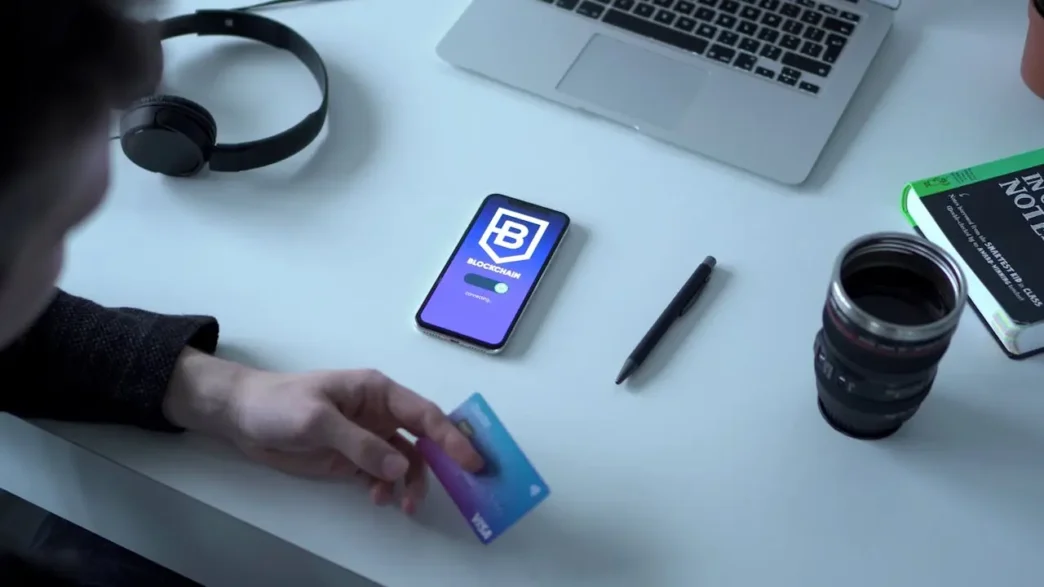
Virtual cards are gaining popularity for both companies and individuals, but can you really guarantee that your information is safely stored on your phone?
Yes, it is much more convenient to pay with your phone, and having access to all your financial information 24/7, but it all goes to waste if the system is vulnerable to hacking attacks.
Although having a virtual card sounds like a security flaw, most virtual cards are actually safer than regular plastic credit or debit cards. Why? Well, they have the same 16-digit code, expiration date, and security code, but they also come with 2-factor authentication, spending limits, merchant restrictions, and many other things.
But how to make sure that all your virtual cards are safely stored, scalable, and trackable? Well, let’s dive deeper into virtual cards and learn a thing or two about how to store them the right way.
Lock It Down with Merchant and Limit Controls
One of the biggest advantages of virtual cards is that hackers cannot seem to find a solution for the merchant limits. This is one of the most secure options to make sure your funds are safe at all times.
But what does merchant limits even mean? Well, businesses are now getting multiple virtual cards, and each of them is tied to a certain merchant. For example, if they spend a lot of money on Facebook Ads, they get a virtual card specifically locked to Meta (the company), which means that no other transaction to a different vendor would work, making it useless for hackers.
But if this option doesn’t work for you, and your payments to vendors are constantly changing, then you can set spending limits just to add another layer of security. You can limit it to $500 or $1,000 a month, and if a miracle happens, and somebody else is using your virtual card, it will lock after reaching that amount.
Virtual cards are generally safer than traditional ones, and they have many customization options where you can tailor your card to your specific requirements.
If you have a business with a few vendors, and you are making cross-border transactions, then you should consider getting a virtual card on the link below: https://genome.eu/
Choose a PCI-DSS Compliant Provider
Not all virtual card providers are created equal, and picking one that’s serious about security is non-negotiable.
Look for platforms adhering to Payment Card Industry Data Security Standards (PCI-DSS), the gold standard for protecting card data, as Privacy emphasizes in their audits. This ensures your transactions are encrypted and your data is safe from breaches.
Providers like Mastercard also offer liability protection, meaning if fraud hits, you’re not left holding the bag—Visa and Mastercard cover unauthorized charges if reported promptly. Check your provider’s security page for PCI-DSS certification, avoid sketchy platforms, and you’re banking with the confidence of a vault door slamming shut.
Scale with APIs and Automation
Your business is growing, and your virtual cards need to keep up. A virtual card API lets you generate thousands of cards programmatically, perfect for scaling from a startup to a global player.
Need cards for 50 new employees or a vendor blitz? APIs integrate with your ERP or accounting software, automating card creation and payments.
Most of the virtual card platforms sync with QuickBooks or other tools, issuing cards for new projects in seconds. This scalability means you’re not stuck manually entering card details as your team expands. Partner with a provider offering API access, test it with a small batch, and you’re ready to scale payments like a tech titan, no sweat.
Track Every Cent with Real-Time Data
Nothing kills efficiency like chasing down expense reports. Virtual cards solve this with real-time tracking that makes your CFO smile.
Most platforms issue cards with detailed transaction data—vendor, amount, date—accessible via a mobile app. You can see who spent what, when, and where, without digging through receipts.
Cards can be tagged to departments or projects, like a $2,000 card for IT upgrades, making reconciliation a breeze. In 2024, businesses using virtual cards cut expense tracking time by hours.
Set up your platform to tag cards by purpose, pull reports weekly, and you’re running a finance operation as tight as a Formula 1 pit stop.
Stay Flexible with Pause and Cancel Options
The best virtual cards give you control to pivot fast. If a vendor is acting shady or a card is no longer needed, you can pause or cancel it instantly without touching your main account.
Privacy’s dashboard lets you freeze a card with one click, stopping charges cold, while some companies allow you to revoke cards mid-campaign if budgets shift.
This flexibility keeps you agile and secure—say, pausing a card after a one-off purchase or killing it if a subscription auto-renews unexpectedly. Regularly review active cards in your provider’s portal, shut down unused ones, and you’re dodging risks while keeping your payment system lean and mean.
With all these benefits, it is kind of a no-brainer not to get one.