


NVIDIA says its board has formed a committee to oversee national-security policies and compliance with U.S. export controls. The move comes as lawmakers and regulators examine whether Chinese companies have gained access to restricted AI computing through overseas data centers, putting the chipmaker’s sales practices and supply-chain safeguards under renewed scrutiny.
Key takeaways
The committee adds board-level oversight as U.S. officials seek to close gaps involving both physical chip shipments and remote access to computing power.
- Nvidia’s National Security Team and Global Trade Compliance Team will report to the new committee and interim CEO Colette Kress.
- A new Commerce Department rule targets access through data centers in third countries, including several Southeast Asian markets.
- Congressional scrutiny is intensifying amid concerns about possible diversion and China’s military AI ambitions.
Board establishes direct oversight
Nvidia said the committee will oversee its national-security policies and export-control compliance. Board chairman Harvey Jones described advanced silicon and increasingly capable AI systems as presenting new national-security challenges. The company said the committee reflects its commitment to stronger governance.
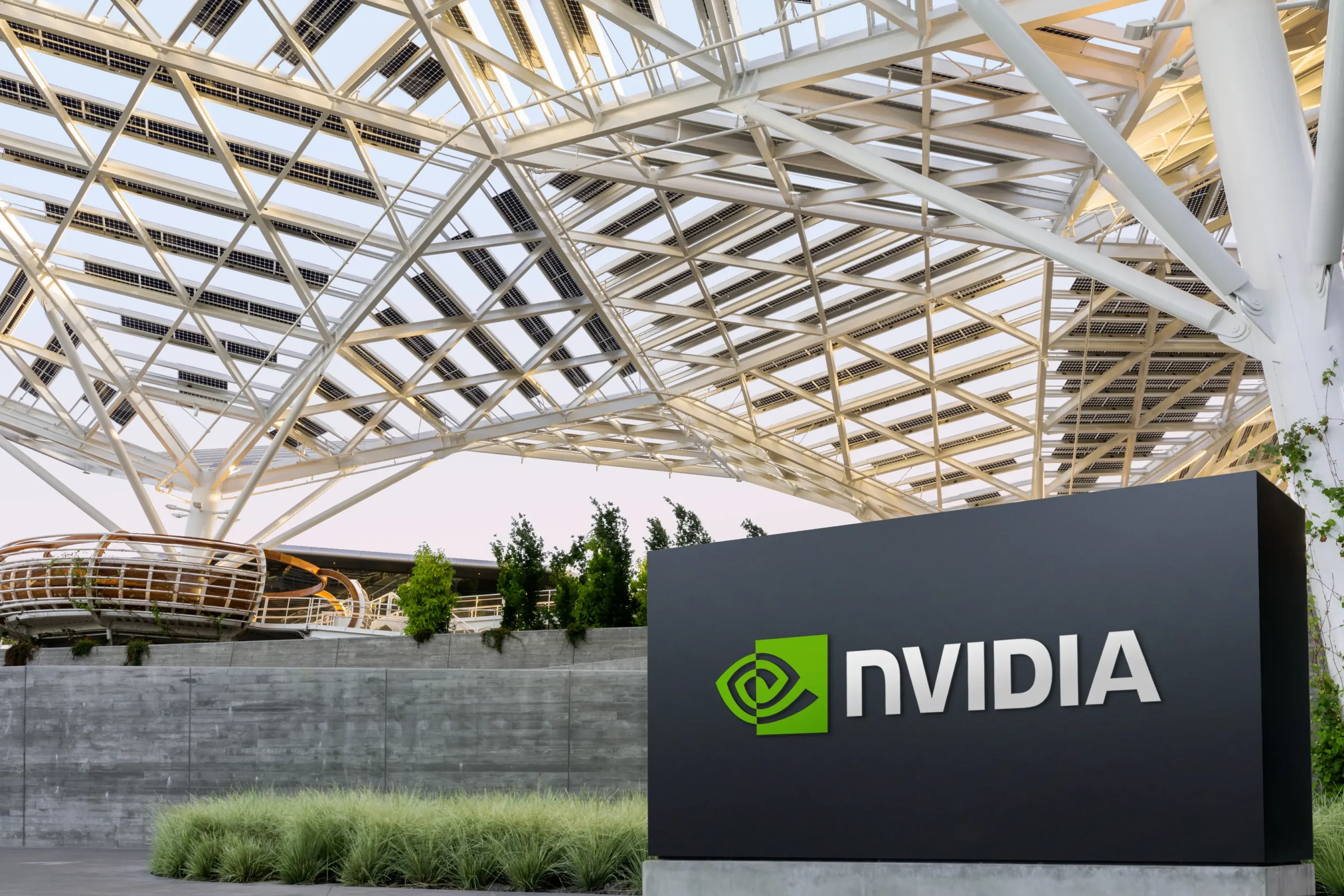
The move follows pressure from lawmakers and Treasury Secretary Scott Bessent, who have questioned whether Nvidia’s controls adequately address how its chips are used after sale. Nvidia has previously said it seeks to comply with export rules but does not physically control products once they reach customers. The company’s internal security and trade-compliance teams will now report directly to the panel as well as Kress.
Data-center access becomes a policy focus
U.S. export restrictions bar Nvidia’s highest-end chips from being sold to China, but regulators are also examining whether Chinese firms can rent computing capacity from data centers located elsewhere. Reports have described investigations into Singapore-based Megaspeed, a major Nvidia customer, over concerns that equipment imported into Southeast Asia could be diverted or used to serve Chinese clients. Those concerns remain under investigation; they do not establish that specific chips were illegally transferred.
The Commerce Department’s Bureau of Industry and Security has issued an interim rule requiring licenses for certain advanced-chip exports to countries including Singapore, Malaysia, Thailand, Indonesia and Brazil. Nvidia has also reportedly warned customers that proposed legislation covering remote access could expose companies to legal action. According to CNBC, the company has said it would not sell to customers that rent more than half of their GPU capacity to Chinese companies.
Lawmakers weigh security and industry impact
House committees have sought testimony from Nvidia executives, while CEO Jensen Huang is also scheduled to appear before the Senate Banking Committee on Dec. 3, according to CNBC. Separately, a congressional commission said China’s military has been seeking advanced Nvidia chips for AI-enabled capabilities and noted that Chinese firms have accessed Nvidia hardware remotely through overseas data centers.
For PC and AI hardware buyers, the dispute highlights how export rules can shape where high-performance accelerators are sold and deployed—not just which products reach retail channels. Stricter licensing and customer checks could affect Nvidia’s data-center business and the wider supply chain, while the new board panel signals that compliance decisions will receive closer executive and director-level attention.