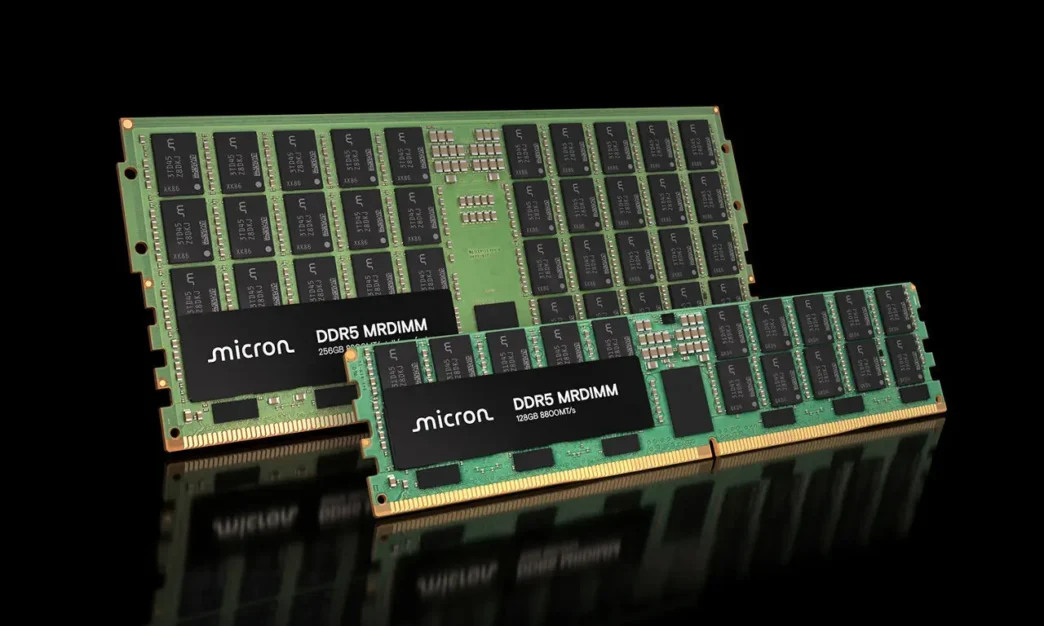
Server memory has become the most sought-after commodity in the tech industry, with prices for DRAM modules experiencing an unprecedented surge of up to 50%. This dramatic price hike is driven by a confluence of factors, including significant supply chain constraints and an insatiable demand fueled by the rapid expansion of artificial intelligence.
Key Takeaways
- Server DRAM prices have jumped by 40-50% for Q4 contracts.
- Major manufacturers like Samsung and SK Hynix have reduced confirmed allocations by 30%.
- Hyperscalers are only receiving approximately 70% of their ordered server DRAM.
- The shortage is impacting older DDR4 memory as well, leading to long lead times.
- The DRAM shortfall is projected to extend beyond 2026.
The Perfect Storm: Supply Squeeze and AI Demand
Major memory manufacturers, including Samsung and SK Hynix, have reportedly implemented retroactive price increases of 40-50% on fourth-quarter server RDIMM contracts. Even hyperscalers who secured agreements months in advance are now facing the choice of paying the inflated prices or forfeiting their place in the queue. Simultaneously, these manufacturers have cut confirmed allocations by 30%, resulting in an effective order fulfillment rate of only 70% for top-tier U.S. and Chinese cloud providers. This reduction has depleted the safety stock that many buyers believed they had secured.
Impact on the Broader Market
The scarcity is not limited to the largest players. Module manufacturers like Kingston and ADATA are now paying significantly more for components, with 16 GB DDR5 chips that cost $7 just six weeks ago now priced at $13. This sharp increase is severely impacting gross margins. Smaller Original Equipment Manufacturers (OEMs) and channel distributors have been informed to expect fulfillment rates as low as 35-40% through the first quarter of 2026. This forces them into difficult decisions, such as gambling on the volatile spot market or facing production line idleness.
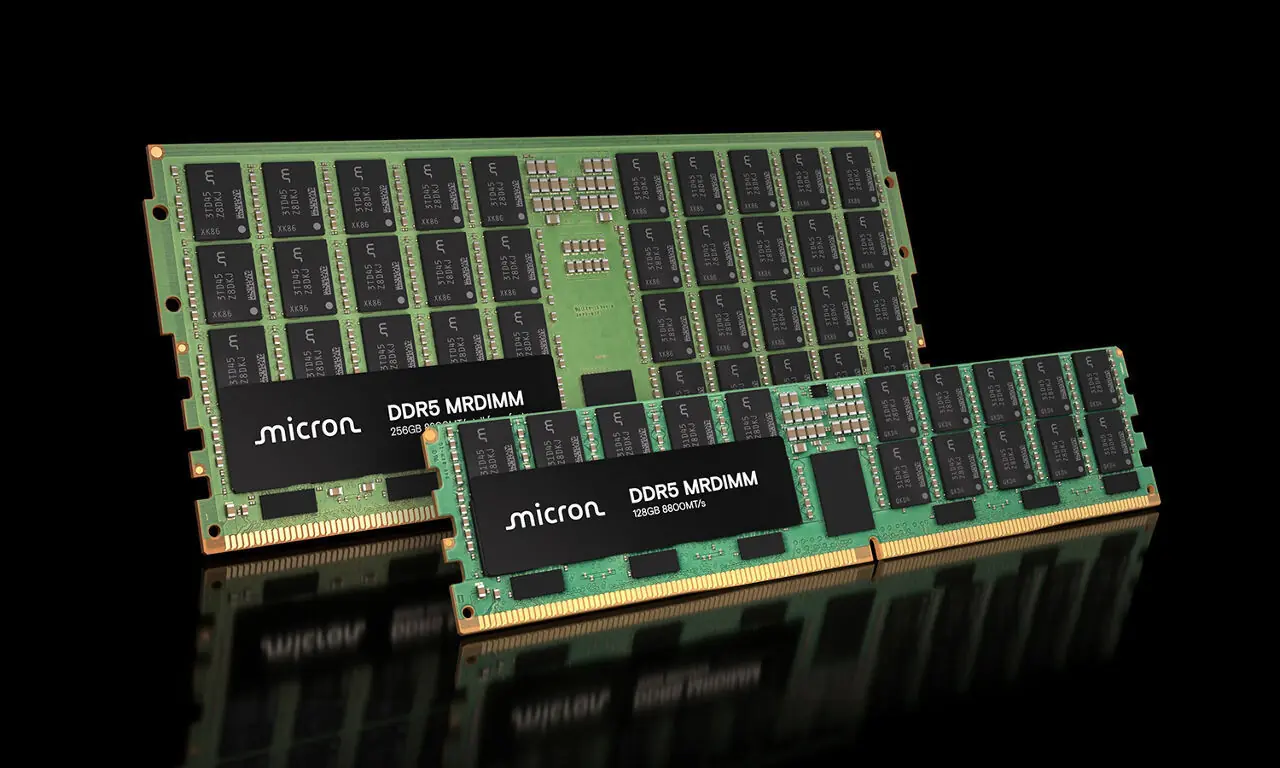
Even older DDR4 memory, which now constitutes only 20% of global DRAM output, is affected. Devices like switches, routers, and set-top boxes that still rely on DDR4 are experiencing extended lead times as fabrication plants deprioritize allocating wafers to these older nodes. Analysts at TrendForce predict that the DRAM shortfall will persist beyond the current hyperscaler build-out phase, suggesting that relief may not come from new capacity but potentially from a contraction in demand – an outcome manufacturers are not currently budgeting for.
AI’s Role in the Shortage
While High Bandwidth Memory (HBM) often grabs headlines for AI applications, the demand for conventional DDR5 RDIMMs is also outstripping supply. Manufacturers are diverting capacity towards components essential for AI acceleration, leading to a reprioritization of production. This shift is evident in Samsung’s recent price adjustments, which saw server SSD prices increase by up to 35% and RDIMM contract rates by as much as 50%, citing sustained demand from enterprise and cloud customers.
Future Outlook
The current market conditions indicate a prolonged period of constrained supply. Micron has previously warned investors about a “tight industry” for DRAM, with bit supply growth expected to lag behind demand through the end of next year. TrendForce also anticipates a potential quote freeze on certain modules as suppliers move towards day-to-day pricing. This situation is already causing retail DDR5 prices to rise, with no immediate signs of stabilization. The outlook for DDR4 is similarly bleak, with its reduced market share and lower priority in production, ensuring continued supply challenges for many sectors into 2026.
Via DigiTimes