Intraoral cameras are transforming how dental professionals document and communicate patient care. These innovative tools provide high-resolution images of the mouth, allowing for more accurate diagnoses and enhancing patient understanding of their oral health. This article explores the significant benefits of intraoral cameras in dental practices, highlighting their role in improving documentation, patient engagement, and treatment outcomes.
What Are Intraoral Cameras?
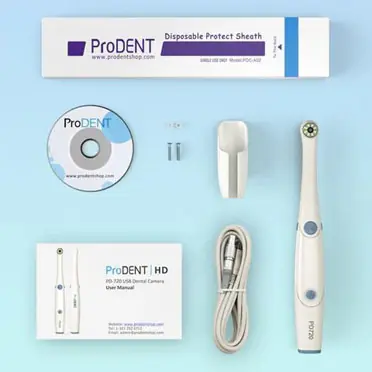
Intraoral cameras, such as the ProDENT Intraoral Camera, are small, pen-like instruments equipped with a digital camera. They capture high-resolution images inside a patient’s mouth. Dentists use these cameras for various purposes, including examining teeth, gums, and oral lesions, making it easier to identify issues that traditional methods might not reveal.
Intraoral cameras are critical tools in modern dental practices, providing detailed images of a patient’s oral cavity. These devices improve diagnostics and improve documentation significantly.
Key Features and Benefits
- High-Resolution Imaging: Intraoral cameras produce clear, sharp images that highlight intricate details, aiding in accurate diagnoses.
- Real-Time Visualization: Both patients and practitioners can see images instantly, enhancing communication regarding treatment options.
- Improved Patient Engagement: Visual aids increase patient understanding and involvement in their treatment plans, which may boost compliance.
- Documentation Efficiency: These cameras streamline the documentation process by providing precise visual records that can be stored electronically and retrieved easily.
- Enhanced Education: Dentists can use images to educate patients about their oral health, facilitating informed decision-making.
Intraoral cameras significantly transform dental practices, making them essential for quality patient care.
Enhanced Patient Communication
Intraoral cameras significantly improve patient communication in dental practices. These devices provide clear visuals that help explain various dental conditions and treatment options.
Visual Aid for Patient Understanding
High-resolution images from intraoral cameras serve as effective visual aids. Patients gain a better understanding of their oral health when they see images of their teeth and gums. For example, real-time images display cavities, gum disease, or other issues directly on a monitor. This immediate visualization promotes clarity regarding the necessity of treatments. Patients can more easily grasp the implications of their dental status, resulting in informed decision-making.
Building Trust and Transparency
Intraoral cameras foster trust between dental professionals and patients. Showing patients their oral health issues directly creates a transparent dialogue. Dentists can explain procedures and expected outcomes while referencing the specific images. This approach eliminates uncertainty and enhances patient confidence in the dentist’s recommendations. By involving patients in their care, dental practices promote a collaborative atmosphere, leading to stronger patient relationships and satisfaction.
Improved Diagnostic Accuracy
Intraoral cameras transform diagnostic accuracy in dental practices by delivering high-resolution images of the oral cavity. These images improve the dentist’s ability to identify issues that may not be visible during traditional examinations.
Detailed Imaging Capabilities
Intraoral cameras provide detailed imaging capabilities, capturing images at different angles and positions inside the mouth. These cameras allow for close-up views of teeth, gums, and surrounding structures, creating a comprehensive picture of a patient’s oral health. Dentists can analyze these clear images during consultations, facilitating informed discussions regarding potential treatments. This technology also allows for easy monitoring of dental restorations and helps in assessing the effectiveness of previous treatments.
Early Detection of Dental Issues
Intraoral cameras play a crucial role in the early detection of dental issues. By capturing detailed images, they reveal early signs of conditions such as tooth decay, gum disease, and oral lesions. Early detection not only allows for prompt treatment but also minimizes the risk of complications that could arise from untreated issues. For instance, a small cavity identified early can often be treated with a simple filling, while larger cavities may require more extensive procedures, such as crowns or root canals. Involving patients in this process emphasizes the importance of regular dental visits and proactive care.
Streamlined Dental Workflow
Intraoral cameras improve dental workflows by significantly improving the efficiency of documentation and patient care processes.
Time Efficiency in Documentation
Intraoral cameras facilitate faster documentation of patient examinations. By capturing high-resolution images in real time, dental professionals can document findings immediately. This immediacy reduces the time spent on manual charting and enhances the accuracy of records. Additionally, fewer errors occur when images supplement written notes, leading to a more streamlined workflow. With quicker documentation, dental teams can allocate more time to patient interactions, improving overall service.
Integration with Dental Software
Intraoral cameras easily integrate with existing dental software systems. This compatibility allows for seamless uploading of images directly into electronic health records (EHR). Automated data input minimizes the chances for errors and enhances the overall efficiency of patient management. With organized and accessible records, dental professionals can quickly reference past images during consultations, fostering informed treatment planning. This integration ensures that both visual aids and patient records are unified, creating a comprehensive view of patient health.
Increased Treatment Acceptance
Intraoral cameras significantly improve treatment acceptance through visual tools that enable effective communication between dental professionals and patients.
Visual Explanation of Treatment Plans
Intraoral cameras provide high-resolution images, showcasing dental conditions directly to patients. These visuals help patients understand necessary treatments, making complex concepts more relatable. When patients see actual images of their oral health, it creates a basis for informed discussions about treatment options. A patient who views an image of a cavity is more likely to agree to a filling than one who relies solely on verbal explanations. This clarity makes treatment plans more transparent, fostering trust and collaboration.
Boosting Patient Engagement
Intraoral cameras engage patients actively in their dental care. When dentists show images of their mouth, patients become more involved in the process. Active participation enhances understanding and retention of information. When patients ask questions about what they see, it allows for personalized conversations about their care. Dental practices that incorporate these cameras experience an increase in patient inquiries, leading to higher acceptance rates for recommended treatments. Engaged patients have a better grasp of their treatment paths, which reinforces their commitment to following through with care suggestions.
Conclusion
Intraoral cameras have undeniably revolutionized dental documentation and patient care. Their ability to provide high-resolution images enhances diagnostic accuracy and fosters stronger communication between dental professionals and patients. By engaging patients with visual aids, these tools promote a collaborative atmosphere that leads to increased treatment acceptance and satisfaction.
Additionally, the efficiency gained in documentation processes streamlines workflows and minimizes errors. As dental practices continue to adopt intraoral cameras, they not only improve the quality of care but also empower patients to take an active role in their oral health. The integration of this technology marks a significant step forward in modern dentistry, ensuring better outcomes for both practitioners and patients alike.