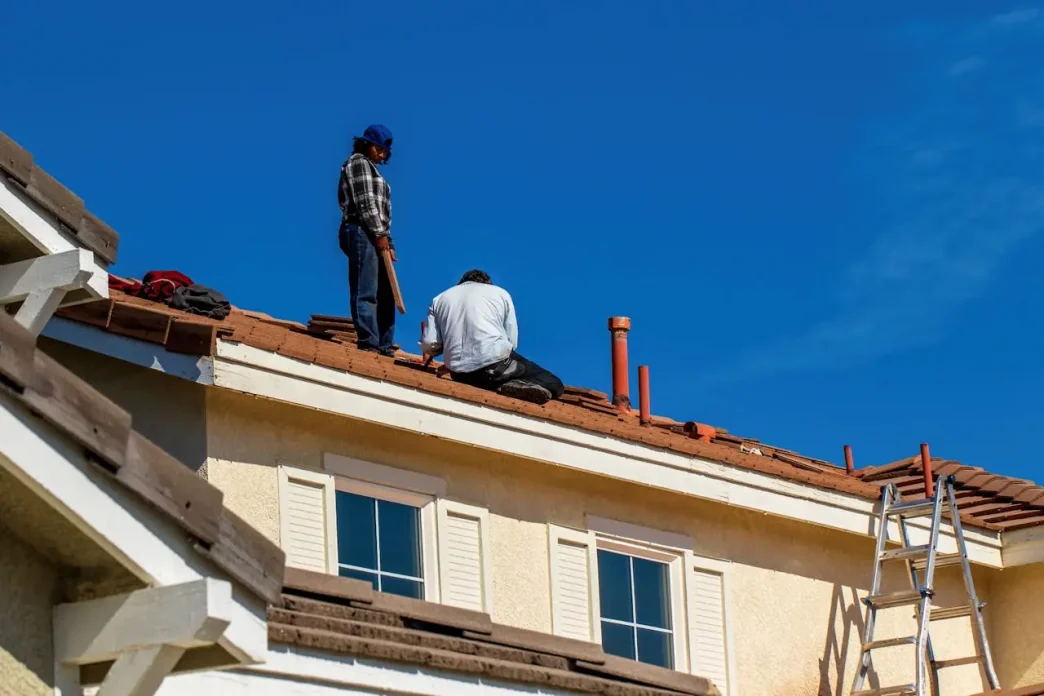
Efficiency on a construction site, especially for roof installations and repairs, is essential for reducing costs, improving timelines, and ensuring quality. For contractors, the key to success lies in integrating modern tools and technology that help streamline operations. With advancements in project management software, more precise material tracking, and labor optimization, professionals can handle complex tasks with greater speed and precision. The right tools not only improve the workflow but also reduce the margin for error, saving both time and money.
Many businesses have begun using specialized technology that supports accurate pricing, detailed estimates, and streamlined project execution. These tools transform how projects are run, making them more profitable and less stressful. One significant area where these tools can be applied is estimating and managing costs, which can make a big difference in each project.
Here are some ways you can optimize your roofing projects:
Leverage Digital Tools to Streamline Processes
In today’s fast-paced industry, technology plays a crucial role in optimizing project management. Contractors can keep tasks organized and minimize delays by using scheduling apps and project management software. These tools allow for better tracking of labor, materials, and scheduling, helping to ensure that deadlines are met. Communication is also simplified, allowing team members to share updates instantly, which reduces the likelihood of miscommunication and mistakes. By moving away from traditional paper-based methods, contractors can focus on execution rather than administrative work.
Use Technology for Accurate Estimations
Accurate estimates are the foundation of successful projects. Without the right tools to measure material needs, labor costs, and project requirements, it’s easy for mistakes to snowball into costly delays. For example, roofing estimating software designed specifically for the construction industry can help contractors produce accurate quotes for their clients. This technology helps professional roofers assess project scope more accurately, determine material quantities, and even suggest pricing models that align with the project’s needs. This software enables contractors to generate more precise and reliable estimates, eliminating guesswork and helping avoid budget overruns. Also, their software includes features to help create detailed bids, track project expenses, and offer clients transparent, professional proposals. This system is particularly useful for roofing experts, where material costs and labor estimates can vary greatly depending on the project.
Invest in Quality Tools and Equipment
Having high-quality tools and equipment is essential for maintaining productivity and reducing delays. Reliable equipment makes the work faster and safer, allowing professionals to get more done in less time. It’s important to invest in the right tools and maintain them regularly to avoid breakdowns. Whether it’s high-performance drills, efficient ladders, or weather-resistant materials, using quality gear reduces the chance of interruptions, ensuring a smoother workflow throughout the project. Durable and well-maintained tools will perform better, which ultimately translates to fewer delays and higher-quality results.
Train Staff Regularly
Skilled and knowledgeable workers are key to any successful project. Regular training programs ensure the team is familiar with the latest techniques, safety protocols, and technologies. This investment in education boosts both confidence and performance on the job. When workers are properly trained, they are less likely to make errors, leading to faster completion times and fewer need for corrections. By keeping up with new materials, tools, and industry standards, contractors can improve their overall output and stay competitive in a demanding market.
Optimize Material Management
Effective material management is critical for minimizing delays and waste. Proper tracking and organization of materials reduce costs and prevent unnecessary downtime. Whether it’s coordinating deliveries, maintaining an accurate inventory, or anticipating shortages, managing materials effectively allows contractors to focus on the work at hand. By using software or apps designed for construction projects, professionals can monitor stock levels, track material usage, and ensure everything needed is on-site when it’s required. Also, organizing materials properly on-site makes it easier to access them, reducing the time spent looking for tools or supplies during the project.
Plan for Inclement Weather
Weather conditions can greatly impact the speed and safety of a construction project, particularly for outdoor tasks like roofing. Roofers must always plan ahead for potential weather delays. Keeping a close eye on the forecast helps roofing experts adjust their schedules and decide which tasks can be completed in various conditions. For example, tasks like material loading or cleaning up can be scheduled on rainy days, while work that requires clear skies, like installation, can be prioritized on better days. Proactive planning reduces downtime and ensures the project can stay on track, even when unexpected weather occurs.
Focus on Effective Communication
Clear communication is essential for a smooth workflow. With multiple stakeholders involved, from the crew to suppliers to clients, it’s crucial that everyone is on the same page. Communication tools like project management apps and messaging platforms ensure that updates, changes, and requests are instantly shared. When everyone has access to the same information, confusion and errors are minimized. Effective communication also fosters a better working relationship with clients, helping to manage expectations and deliver projects on time and within budget. The process becomes more efficient when team members and clients feel informed.
Delegate Tasks Based on Skill Level
Assigning tasks to the right individuals can significantly impact a project’s pace. Not all workers have the same skill set, so delegating tasks according to expertise is important. For instance, a worker with advanced knowledge of safety protocols should be tasked with managing safety measures. At the same time, a more experienced technician might be better suited to handle more complex installation tasks. This approach ensures that tasks are completed with greater accuracy and speed, reducing the chances of errors or delays. By recognizing each team member’s strengths, Roofers can optimize their workforce and increase overall productivity.
Set Realistic Deadlines
Setting realistic and achievable deadlines is key to preventing stress and ensuring quality work. Overly ambitious deadlines can result in rushed work, leading to mistakes and more time spent correcting errors. Roofers should assess the scope of each project and consider potential obstacles, like weather conditions or supply delays, before setting timelines. By being honest with clients about how long a project will take, contractors can manage expectations and create a more positive relationship. Realistic deadlines also allow for better planning, which means less disruption and a smoother workflow from start to finish.
Improving the efficiency of a construction project requires a multifaceted approach that incorporates technology, skilled labor, and effective management strategies. From leveraging digital tools for accurate estimations to ensuring clear communication between all parties involved, every step counts in keeping projects on schedule. By investing in quality equipment, regularly training staff, and focusing on safety, contractors can minimize errors, reduce downtime, and deliver high-quality results on time and within budget. Ultimately, these strategies benefit contractors and contribute to clients’ satisfaction, ensuring that each project is completed successfully.