
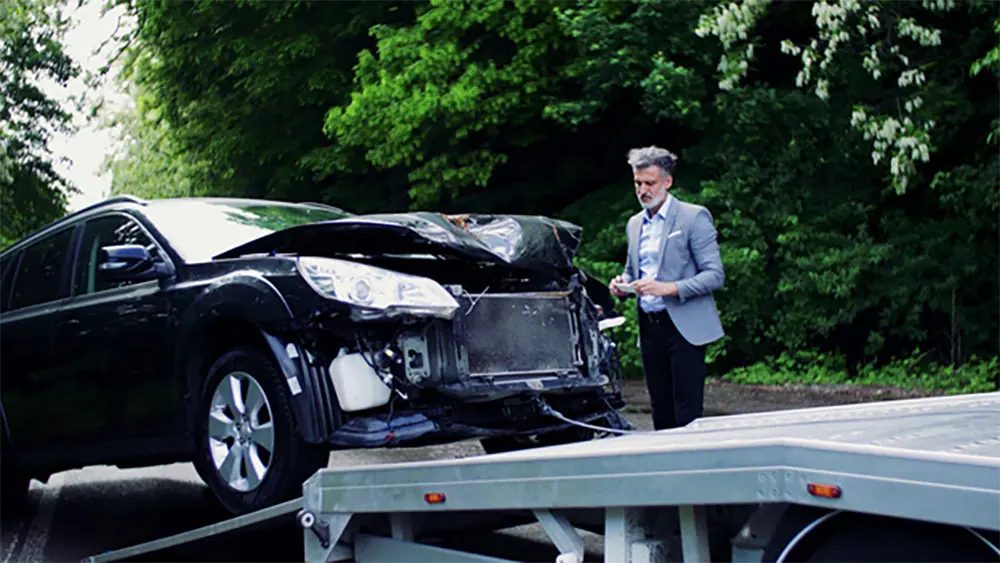
Modern vehicle technology has significantly transformed the landscape of accident recovery, providing tools and solutions that enhance safety and efficiency. From advanced safety systems to streamlined rehabilitation processes, technology plays a crucial role in minimizing the impact of accidents. This article explores how innovations in vehicle technology are pivotal from the moment of the crash to full recovery, ensuring better outcomes for all involved.
Technological Advances in Vehicle Safety
Vehicle technology today incorporates numerous innovations aimed at preventing accidents and mitigating their severity. Enhanced safety features such as automatic braking systems and collision detection sensors have become standard in many modern vehicles. These technologies are designed to prevent accidents or reduce their impact by responding faster than human reflexes ever could.
An added layer of protection is provided through systems that monitor driver sobriety and alertness. However, according to a report from a prominent publication, there have been instances where devices like breathalyzers have produced falsely high readings, sometimes up to 40 times the actual blood alcohol level. Such errors highlight the need for constant innovation and improvement in technology to ensure reliability and accuracy.
The integration of vehicle safety technology is a testament to its potential in creating safer driving experiences. As manufacturers continue to innovate, the key challenge lies in ensuring these systems are foolproof and capable of functioning optimally in all conditions. Ultimately, technology has enabled vehicles not only to transport but also to protect, significantly contributing to accident recovery by minimizing initial harm.
The Role of Tow Truck Services in Accident Recovery
Tow trucks are indispensable in the immediate aftermath of a vehicular accident. Their importance is underscored by the fact that over 31,000 tow truck drivers are employed across the United States, ready to offer crucial services at any moment. These drivers are often the first responders, ensuring that vehicles are safely removed from roadways to prevent further accidents and clear congestion.
An efficient towing service relies heavily on technology, with dispatch systems that utilize GPS and advanced communication tools to locate and assist drivers efficiently. The integration of technology ensures not only a rapid response but also the safe handling and transport of damaged vehicles to appropriate repair facilities. As technology continues to evolve, it enables tow truck operators to enhance response times and improve overall service delivery significantly.
Tow trucks serve as the unsung heroes of accident recovery, facilitating a seamless transition from the crash site to the repair shop. Their role is crucial in preserving the flow of traffic and in starting the recovery process promptly. As advancements in technology continue to unfold, tow trucks will undoubtedly become even more efficient, underscoring their indispensable role in accident recovery logistics.
Rehabilitation and Recovery Powered by Technology
Beyond the crash itself, recovery and rehabilitation are crucial stages where technology steps in to make a significant impact. Innovations in medical and rehabilitation technologies are aiding accident victims in regaining mobility and autonomy. For instance, advanced imaging technology provides detailed insights into injuries, guiding customized treatment plans.
Early intervention in physical therapy, particularly within two weeks of sustaining knee, back, or neck injuries, can significantly reduce the dependency on prescription medications. This preventative approach is supported by technological advancements that offer precise therapeutic techniques and progress tracking. Through technology, rehabilitation processes are more effective, reducing recovery time and improving long-term outcomes for patients.
Modern rehabilitation facilities are equipped with technology-driven tools that aid in the comprehensive recovery of accident victims. These include virtual reality systems for motor skills training and robotic-assisted therapies that facilitate movement and strength-building. By leveraging technology, healthcare providers can deliver targeted interventions, enabling patients to achieve a better quality of life post-accident.
Enhancing Communication and Support Systems
Communication technology plays an integral role in accident recovery by ensuring seamless coordination between various stakeholders. Real-time data sharing between emergency services, hospitals, and insurance companies expedites the entire recovery process. As a result, accident victims receive timely care, reducing complications and facilitating quicker claims processing.
Developments in mobile technology allow for the rapid reporting of accidents and the immediate summoning of assistance. Mobile apps equipped with GPS and digital reporting features enable drivers to efficiently communicate key details to emergency responders and insurers. This technological synergy optimizes accident management strategies, ensuring no time is wasted in deploying necessary services.
Technological innovation continues to enhance the support systems surrounding accident scenes, offering comprehensive solutions that address various aspects of recovery. As a result, accident recovery has become more streamlined and effective, benefiting from improved communication and coordination mechanisms. The role of technology is pivotal, ensuring that all parties involved can access the information and assistance they need promptly.
The Technology-Driven Path to Recovery
From preventing accidents to aiding in recovery, technology has revolutionized how society approaches road safety and accident recovery. Vehicles are now equipped with advanced safety systems, while recovery processes benefit from innovations in medical technology and communication. These advancements ensure a comprehensive approach to accident recovery, enhancing safety, efficiency, and outcomes for everyone involved.
As technology continues to evolve, its role in accident recovery is expected to grow, promoting even greater safety and more effective rehabilitation strategies. Continuous improvements in vehicle technology, alongside innovations in medical care and support systems, will further refine the recovery paradigm. Ultimately, technology stands as a powerful ally, guiding the journey from crash to comeback.
The integration of technology into every facet of accident recovery offers hope and solutions to countless individuals affected by vehicular incidents. As new technological breakthroughs emerge, they promise to further minimize the impact of accidents, making roadways safer and recovery more efficient. The road to recovery, powered by technology, leads to enhanced safety, health, and well-being for all.