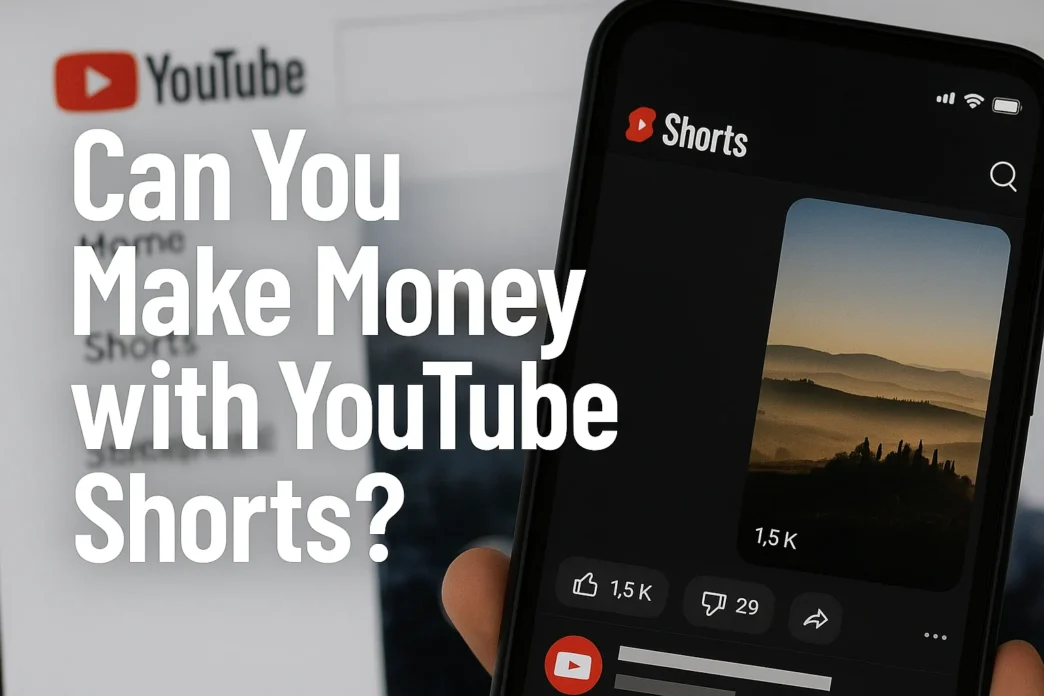
Short video content has transformed how creators interact with their fans on the internet. This is a race in recent years quickly dominated by TikTok and Instagram Reels, but not one that YouTube was about to miss after it launched YouTube Shorts last year. For content creators eager to profit from their creativity without being forced to churn out long-form videos, Shorts today is a catalyst for growth like nothing else.
But the central question remains: Can you actually make money with YouTube Shorts? The answer is yes, but not only is it possible, it could be one of the fastest-growing opportunities for creators around the world. In this article, we’ll do a deep dive on what you need to know about monetization in YouTube Shorts, discussing monetization options, and real world example of YouTuber success stories directly related to Shorts.
Why YouTube Shorts Matter for Monetization?
YouTube Shorts isn’t just a way to go viral; it’s become a direct pathway to monetization. Unlike other short-form platforms, Shorts is integrated into YouTube’s ecosystem, which means creators can unlock ad revenue, Super Thanks, memberships, and even merchandise sales once their audience grows.
Because Shorts are distributed widely beyond a channel’s subscriber base, they offer new creators a chance to rack up millions of views quickly, hitting monetization thresholds faster. For experienced creators, Shorts act as a funnel to long-form videos and sponsorship opportunities, multiplying income streams. Simply put: Shorts accelerate both growth and earnings potential.
Can You Really Make Money With YouTube Shorts?
The short answer: Yes, you can. YouTube has rolled out multiple ways for creators to monetize Shorts, making them more than just a way to gain visibility. Here are the most common revenue streams:
1. YouTube Partner Program (Ad Revenue)
As of February 2023, Shorts creators have a share of the revenue in the YouTube Partner Program (YPP) directly. You need at least 1,000 subscribers and 10 million public Shorts views over the last 90 days to be eligible. You get a cut of ad revenue from ads that play between Shorts in the feed once you’re in.
More than 25 percent of all channels in the YPP are now making money from Shorts, according to YouTube, only a year after Shorts revenue sharing was first introduced. That stat is indicative of how soon, and how significantly, Shorts has become a part of YouTube monetization. Although RPMs are typically lower than for long-form videos, creators who reach hundreds of millions of people can still form meaningful revenue streams through regular posting and algorithm-friendly content.
2. YouTube Shorts Fund (Legacy)
Ahead of ad-revenue sharing, YouTube had introduced the $100 million Shorts Fund in 2021 to pay creators whose videos go viral. Thousands of creators could be eligible for bonuses of $100 to $10,000 a month for using Shorts. While the fund is winding down, it helped signal that Shorts was a legitimate and long-term bet for YouTube, not just a plaything.
The fund also encouraged many creators to experiment with short-form content, and some were then put on revenue sharing. New creators aren’t going to be relying on the Shorts Fund today, but it was useful in getting early momentum going and in building a base layer of creator confidence.
3. Brand Sponsorships and Collaborations
Sponsorships can be much more lucrative than ad revenue by itself, and Shorts is making them more accessible. Brands love to team up with creators to create content that’s quick, engaging, and flies. A Short, which lasts 30 to 60 seconds, can be an affordable ad, and because Shorts tend to rack up repeat viewings, the brand message starts to stick.
Many other ‘micro’ creators like can build a fanbase in a particular niche; beauty, gaming, education/trainee and so on, and companies will come to them, begging to work with them. Sponsorship isn’t a given; content creators can negotiate the fee they receive. For many Shorts influencers, that becomes their source of highest income.
4. Affiliate Marketing
You can also make decent money with Shorts by going the affiliate marketing route. By making short, information-packed videos on products, creators can integrate affiliate links into the descriptions. We have affiliate relationships with some of the companies reviewed and discussed in this article, and TechCrunch may receive a share of revenue from sales. This is especially effective in niches like tech (gadget reviews), fitness (workout gear), and beauty (makeup tutorials).
The brief nature helps to show a product, showcase its benefits, and instigate action fast. Ad revenue might go up and down, but affiliate earnings will increase with the trust between you and your visitors. Paired with frequent posting, this can generate your passive earnings through affiliate marketing as well as diversify your Shorts monetization plan.
Real-Life Examples of Creators Earning from YouTube Shorts
1. Sydney Morgan – $20,000 per Month from Shorts
The beauty and SFX creator Sydney Morgan has made a career out of YouTube Shorts. CNN reports that Morgan rakes in around $20,000 per month from Shorts ad-revenue sharing alone, the bulk of her YouTube earnings. She has mentioned that she makes more from Shorts in one month than she does in a whole year on other platforms.
The steady income has enabled her to go full-time on YouTube. Her story shows that Shorts isn’t just about visibility; it can form a base for financial security and long-term careers for creators.
2. Zach King – 196M Shorts Views = $2,918
The illusionist Zach King is a VFX guy whose series of clever VFX “magic” videos go over big on the internet every time. One month after YouTube introduced ad-revenue sharing on Shorts in February 2023, King shared his haul: 196.4 million Shorts views and $2,918.10. That works out to about $0.02 per thousand views (RPM).
Not huge per-view payouts, but proof of Shorts’ ability to develop huge fan bases that can be further monetized via sponsorships, brand deals and his own product lines. King is a reality check. Shorts RPMs remain relatively low, but, as with any platform, they can drive substantial creator businesses if mixed with creativity and scale.
3. Rebecca Rogers – From Teacher to Full-Time Creator
Rebecca Rogers is a former high school teacher who turned her life around with Shorts monetization. She appeared in YouTube’s own announcements about the updates, and said that Shorts’ success led to her buying a home, buying her car, and outstripping her former teacher’s salary.
Through regularly scheduled relatable, school-related Shorts, Rogers was able to build a dedicated following, which prompted sponsorships and growth as well as ad revenue. Her success is a testament to how Shorts can be more than a side hustle, they can make a full-time income and life-altering career switches for the everyday person.
Conclusion
YouTube Shorts is changing what creators can hope to achieve in the digital era. Rather than necessarily favoring longer form content that YouTube has been known for, Shorts allows creators to earn revenue in new ways based on creativity found in small snippets. From Sydney Morgan making $20,000 monthly to teachers like Rebecca Rogers transforming their lives, there’s no denying that short-term work can earn you some money.
Whether that’s ad revenue, brand deals they drive through their communities, affiliate sales, or customer acquisition tactics, there are many potential streams for those who are committed over time. With creativity, persistence, and savvy promotion, a 60-second video can become a windfall in reach and revenue.