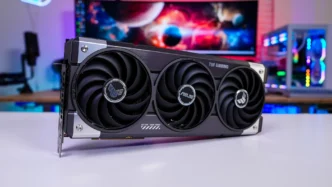

Selling a graphics card can feel simple at first glance, yet a smooth process needs a bit of planning. Many online buyers appreciate clear details, honest presentation, and a sense of care from the seller. Clear steps help create trust with tech shoppers who want a reliable upgrade for a system. A seller who understands this path gains a stronger interest and fewer delays.
Anyone aiming to sell used GPUs can create a straightforward plan that sets the stage for an easy exchange. A few practical moves shape a listing that feels solid and appealing. This guide walks through those moves in a grounded way, giving structure to a task that can reward someone with quick results.
Assess Condition With Clarity
A card’s condition draws the interest of buyers. Dust removal, calm inspection of ports, and simple tests for noise or heat give a clear sense of the card’s state. Visual checks help a seller notice marks or small quirks that a buyer might ask about. A short stress test adds assurance. Stable temperatures and smooth performance show that the card still works as intended. Straight, honest descriptions help a buyer understand the health of the item.
Prepare Clean and Easy-to-Read Photos
Clear images spark trust with shoppers who want to see exact details. Soft lighting, a clean surface, and simple angles show the card in an honest way. A few close images of ports, fans, and any marks give the listing more depth. Good photos give buyers a sense of comfort. When a buyer sees the card clearly, questions feel easier to answer, and decisions move faster. This step shapes a stronger listing that feels complete.
Writing A Listing That Stands Out Gently
A good listing explains specs in plain language. Model name, memory size, and power needs help shoppers match the card with their systems. Practical notes about noise levels or cooling help buyers imagine real use. Tone matters. Friendly lines, steady pacing, and practical insights create a listing that feels human. Buyers respond well to a seller who shares clear information without pressure.
Set A Fair Price
Pricing reflects condition, age, and current demand. Market checks help a seller understand common ranges for similar cards. A sensible figure gives the buyer a sense of fairness and keeps the listing active. Clear pricing also encourages quick decisions. When a buyer sees a number that aligns with the card’s value, interest grows. Honest pricing supports a smooth path from first glance to final sale.
Ship With Care
Good packaging protects the card during movement. Foam, air cushions, or sturdy wraps keep the GPU safe inside its box. A strong exterior box adds an extra layer of security. Clear labeling and a reliable shipping option help the buyer feel connected to the process. Tracking details creates a sense of steady progress. This care shapes a smooth end to the sale.
Selling a GPU becomes simpler once each step receives patient attention, from inspection to shipment. A seller who communicates clearly and presents the item with care draws stronger interest from online buyers. Those small touches help the process feel smooth for both sides. Anyone aiming to sell used GPUs can rely on steady preparation to create a positive experience. It encourages trust, clear expectations, and an easy exchange.