There was a time when opening more than three browser tabs felt like asking your computer to run a marathon in flip-flops. Flash was still clinging to life, Java applets were doing their thing, and your CPU fan sounded like a small aircraft preparing for takeoff. Fast forward to today, and browser-based entertainment has gone through a massive glow-up. Modern web apps, games, and interactive platforms now run smoother than some native desktop software. So what changed, and why should PC enthusiasts actually care?
The Tech Behind the Curtain
A lot of credit goes to the evolution of web standards. HTML5, WebGL, and WebAssembly have completely rewritten the rules for what browsers can do. HTML5 killed the need for clunky plugins, WebGL handed developers access to GPU-accelerated graphics right inside a browser window, and WebAssembly lets code run at near-native speed. That trio alone turned browsers from simple page viewers into legitimate entertainment platforms.
Chrome, Firefox, and Edge have all gotten significantly better at managing resources too. Tab isolation means one demanding page is less likely to drag everything else down with it. Hardware acceleration is now on by default in most setups, so your graphics card actually pitches in when you’re streaming video, playing a browser game, or scrolling through graphics-heavy content. For anyone running a decent mid-range GPU from the last few years, the difference is noticeable.
Gaming in the Browser Has Quietly Leveled Up
This is where things get genuinely interesting for the PC crowd. Browser-based gaming used to mean simple puzzle titles or text adventures. Now? You’ve got full 3D experiences, physics engines, and multiplayer lobbies all running inside a tab. Platforms dedicated to social gaming have pushed the envelope on what you can do without downloading a single installer. Whether you’re into themed experiences like the best fishing themed slots online or prefer strategy and puzzle games, the variety available directly through your browser keeps expanding every month. The performance overhead is surprisingly low, which means you don’t need to close everything else just to enjoy a quick session.
Why Optimization Matters More Than Raw Power
Here’s a take that might surprise some hardware enthusiasts. For browser-based entertainment, optimization matters way more than throwing high-end specs at the problem. Developers building web-based games and interactive content have gotten incredibly smart about resource management. Lazy loading, efficient asset compression, and adaptive quality settings mean these experiences scale well across different hardware tiers.
Running a Ryzen 5 with integrated graphics? Most browser entertainment will handle it without breaking a sweat. Sitting on a high-end rig with an RTX card? You’ll barely notice the performance hit while multitasking. That scalability is a big deal. It means browser-based platforms can reach a wider audience without forcing everyone into a hardware arms race.
The Streaming and Content Side of Things
It’s not just gaming either. Browser-based streaming platforms have become far more efficient. Codec improvements like AV1 deliver better video quality at lower bitrates, which means less strain on both your network and your CPU. Sites that host interactive content, live streams, and community-driven entertainment are all benefiting from these under-the-hood improvements.
Even complex web apps with real-time features like collaborative tools, live polling, and interactive storytelling run with a fraction of the overhead they would have needed five years ago. WebSocket connections stay light, service workers handle caching like pros, and progressive web apps blur the line between a browser tab and a desktop application.
What This Means for PC Builders and Upgraders
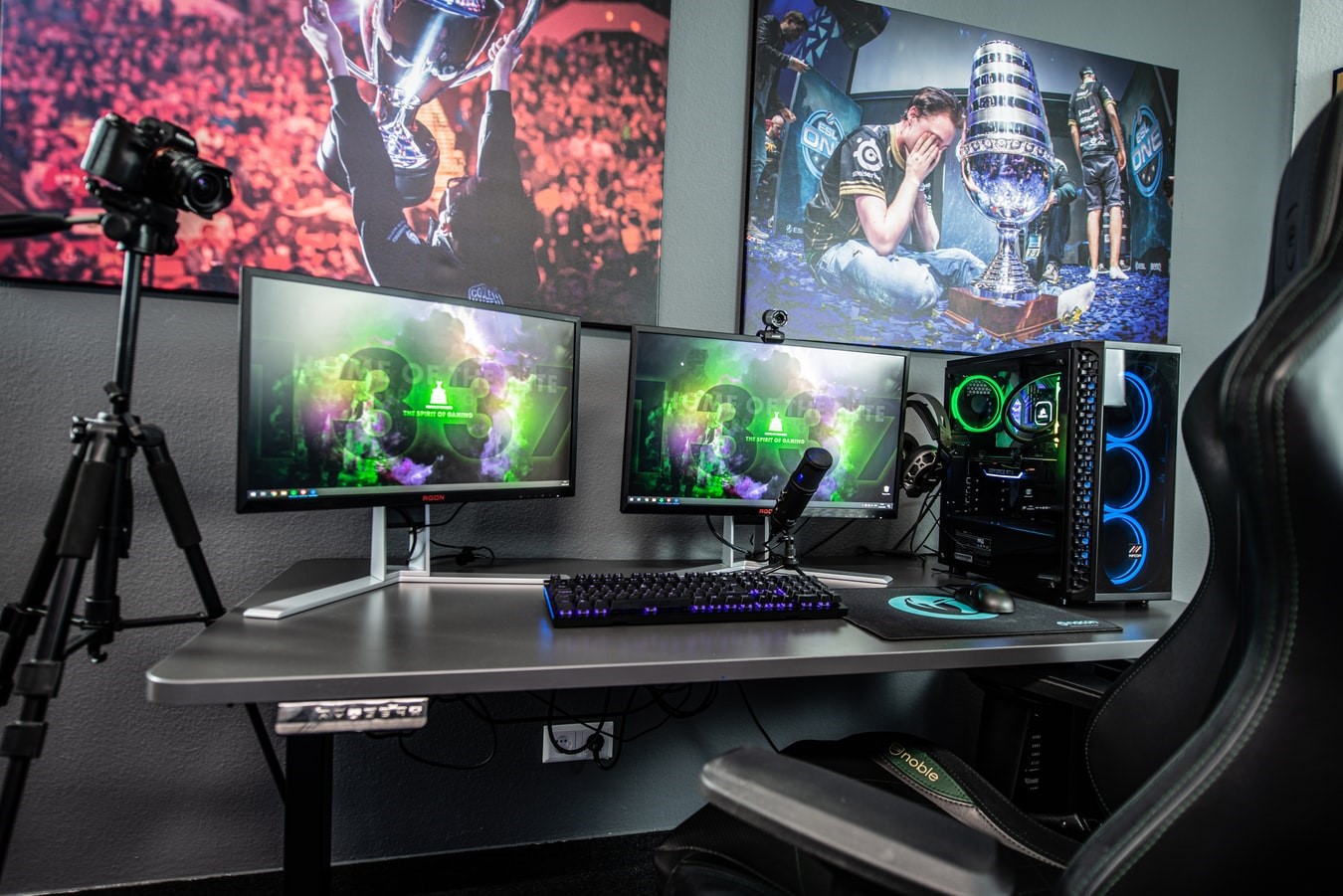
If you’re planning a new build or thinking about upgrades, the shift toward efficient browser-based entertainment is worth keeping in mind. You might not need the beefiest CPU or a top-tier GPU to enjoy a huge chunk of modern digital entertainment. A solid mid-range setup with fast RAM and an NVMe drive will give you a snappy browsing experience that handles everything from social gaming sessions to 4K streaming.
That said, a good monitor with a high refresh rate still makes a difference. Smooth scrolling, fluid animations, and responsive interactions all feel better at 120Hz or above. Pair that with a browser that supports hardware acceleration properly, and you’ve got yourself a surprisingly capable entertainment machine without ever opening an installer.
The browser used to be the weakest link in the entertainment chain. Now it’s quietly becoming one of the most versatile. For PC enthusiasts who love squeezing performance out of their rigs, that shift is worth paying attention to.