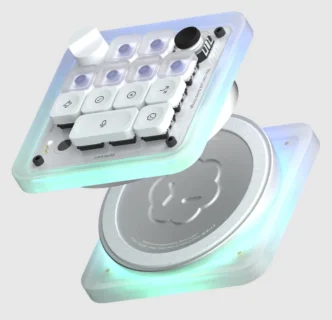
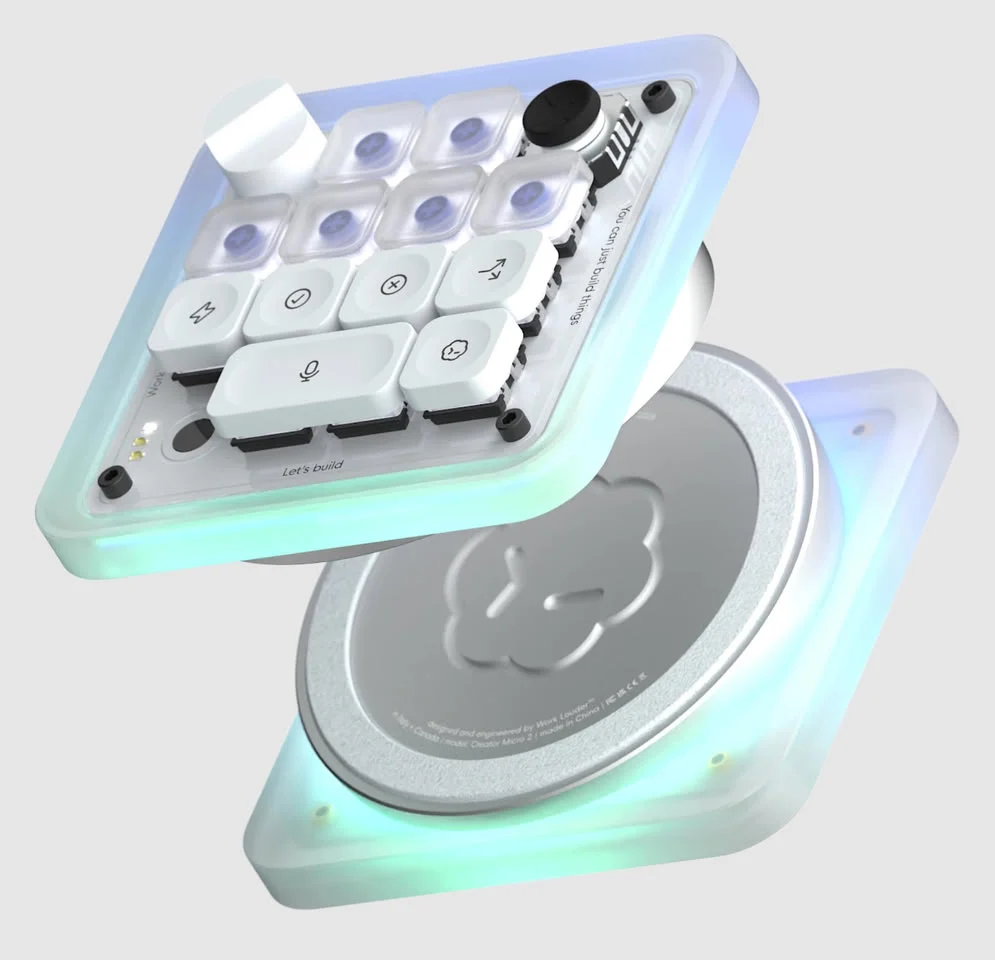
OpenAI has officially entered the hardware market with the launch of the Codex Micro, a specialized mechanical keypad designed for managing AI coding agents. Developed in collaboration with boutique peripheral maker Work Louder, this $230 device serves as a tactile command center for users looking to streamline their AI-driven workflows and agent interactions.
Key takeaways
- The Codex Micro is a limited-edition mechanical keypad co-designed with Work Louder.
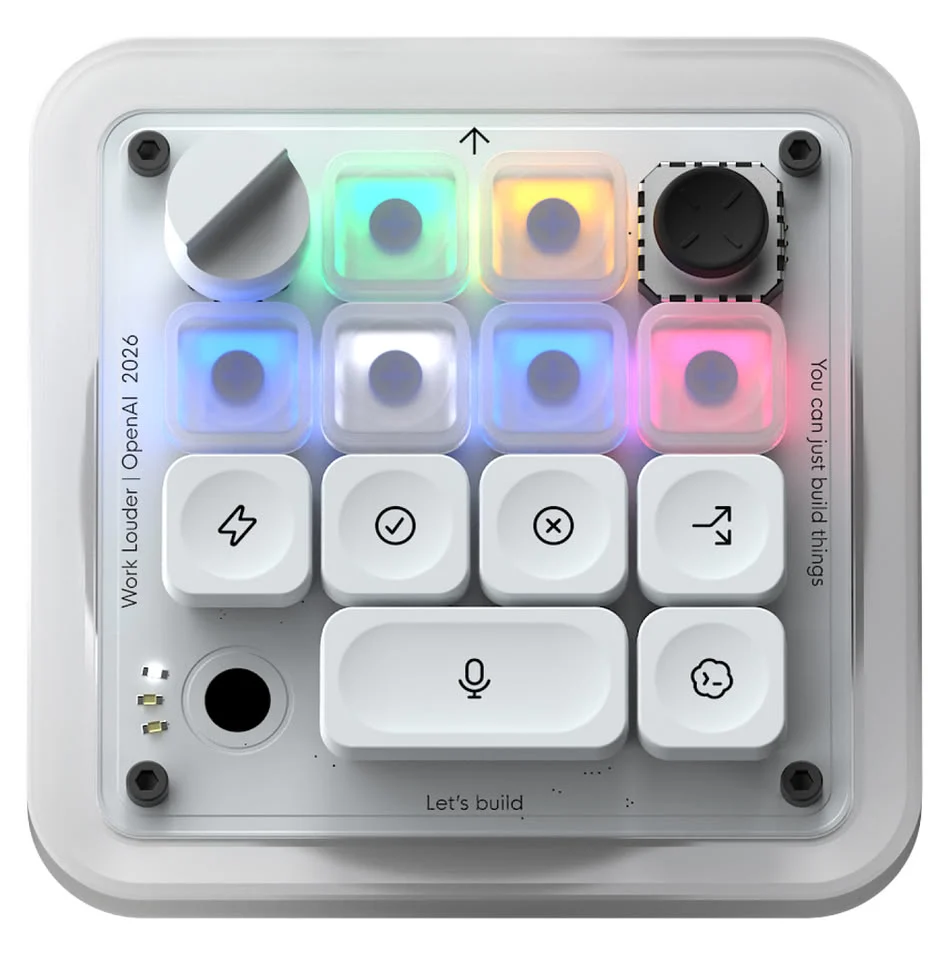
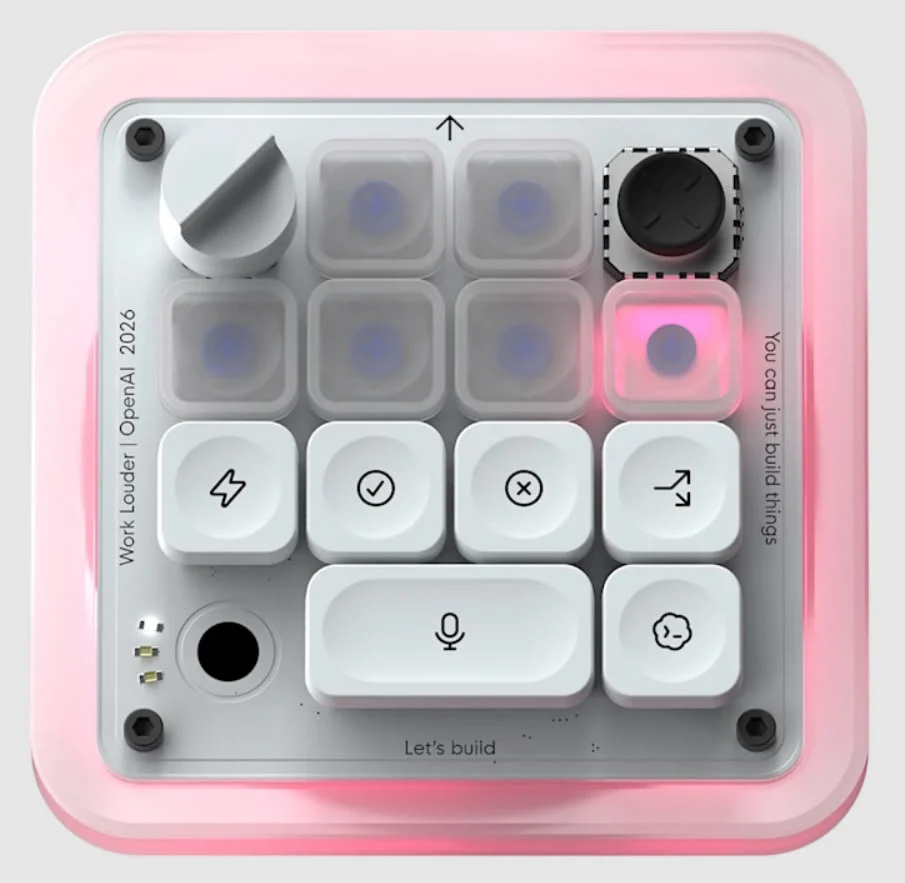
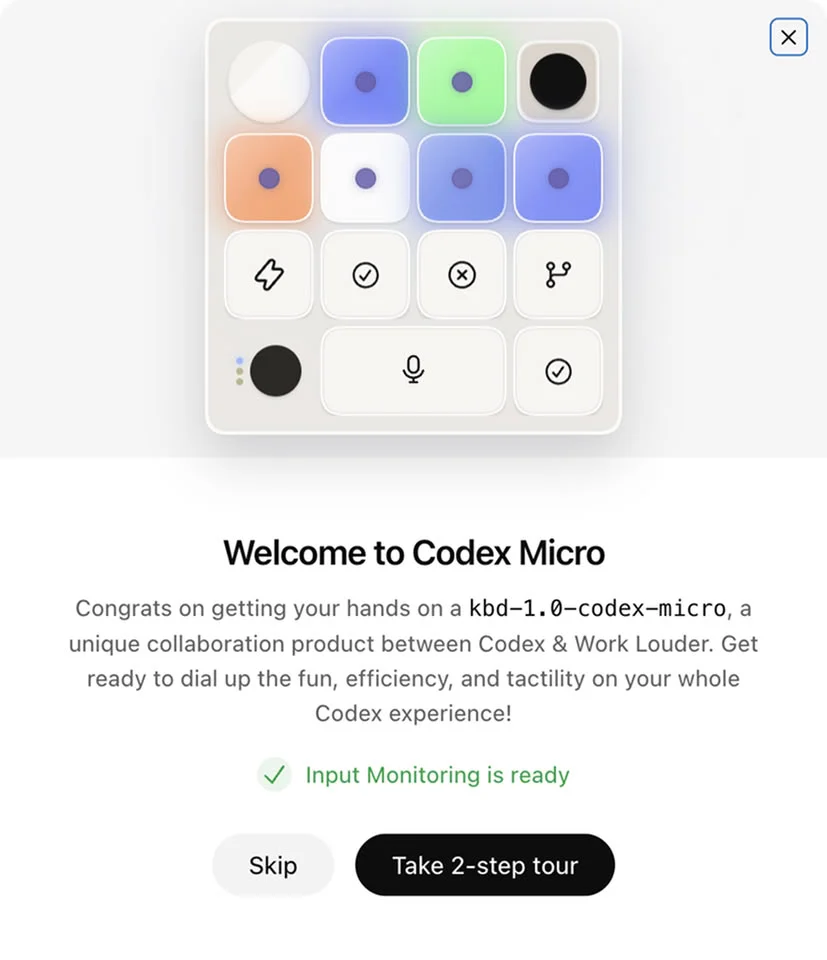
- It features 13 mechanical keys, a rotary dial for AI reasoning, a joystick, and RGB status indicators.
- The device is priced at $230 and is intended for power users managing multiple AI coding agents.
Hardware design and functionality
The device is constructed from CNC-machined polycarbonate and aluminum, offering a premium, durable feel. It includes 13 mechanical switches, a rotary encoder, and a planar joystick. The keys are fully customizable, allowing users to map specific Codex actions such as accepting or rejecting code suggestions, or initiating new chat sessions. The RGB backlighting is not merely decorative; it serves as a visual indicator for agent status, allowing users to see if an agent is currently idle, thinking, or has completed a task at a glance.
Purpose and target audience
Unlike general-purpose macro pads, the Codex Micro is a niche tool specifically engineered for developers who rely heavily on autonomous or semi-autonomous AI agents. It aims to reduce the friction of context switching by providing a physical interface to monitor agent activity. By keeping high-frequency actions under the user’s fingertips, the device helps developers maintain focus on their code rather than navigating through multiple desktop windows or menus to manage their AI minions.
Context within OpenAI’s hardware strategy
While the Codex Micro is a tangible, shipping product, it is viewed as a limited-run collaboration rather than a flagship consumer device. It represents the company’s first step into physical hardware, though industry analysts expect more significant developments in the future. Reports suggest that OpenAI is also developing a portable, screenless smart speaker that integrates with ChatGPT. However, that project remains in development and has faced potential complications amid ongoing legal disputes regarding trade secrets and intellectual property.
Via OpenAI