Taiwan is considering a major amendment to its Energy Management Law that would require large commercial electricity consumers, including semiconductor giant TSMC, to install their own power generation and storage infrastructure. The move aims to alleviate significant strain on the national grid as industrial energy demands continue to climb rapidly across the island.
Key takeaways
- The proposed amendment targets any commercial entity with an electricity load of 5MW or higher.
- TSMC, which consumed roughly 9% of Taiwan’s total electricity in 2024, would be the most significantly impacted.
- Exemptions are planned for essential public services like schools and hospitals to ensure their operations remain unaffected.
- The legislation includes a grace period for implementation, with financial penalties slated for non-compliant entities.
The shift toward captive power generation
The Taiwanese Ministry of Economic Affairs is spearheading this legislative change to move large-scale industrial users away from total reliance on the national grid. By mandating that companies with a load of 5MW or more generate and store their own electricity, the government hopes to decentralize power usage. This policy shift represents a departure from existing regulations, which previously only required companies to offset 10% of their consumption through renewable energy sources. Under the new proposal, the focus shifts from simple offsets to the physical installation of on-site power infrastructure.

Impact on TSMC and the semiconductor industry
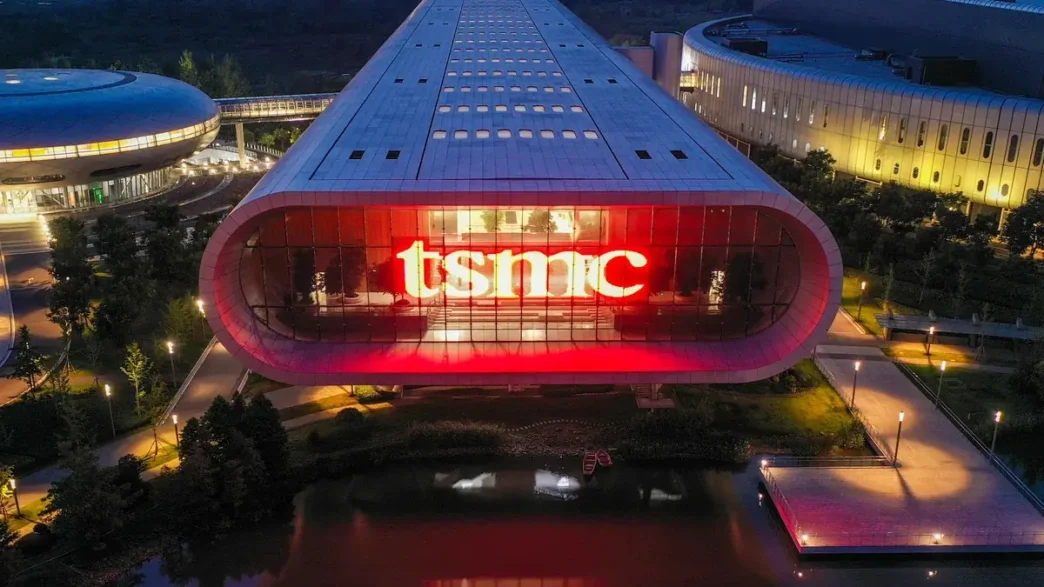
For TSMC, the world’s leading semiconductor manufacturer, the implications are profound. The company currently relies on the economies of scale provided by the national grid to power its extensive network of fabrication facilities, including its advanced 12-inch and 8-inch wafer plants. Transitioning to captive power generation will likely increase operational and production costs significantly. As TSMC continues to scale its manufacturing capabilities to meet global chip demand, the requirement to build and maintain its own power plants presents a complex logistical and financial challenge that could influence its long-term expansion strategy in Taiwan.
Addressing grid strain and future energy demand
The move is largely a response to the explosive growth in power consumption driven by the semiconductor, petrochemical, and AI data center sectors. Industry forecasts suggest that TSMC alone could consume as much as 24% of Taiwan’s total electricity by 2030 if current growth trends persist. With the national grid struggling to keep pace with this demand, the government is prioritizing the stability of power for residential and essential public services. By forcing major industrial players to manage their own energy needs, Taiwan aims to prevent future shortages and ensure that the island’s infrastructure can support both its vital tech sector and the needs of its citizens.
Via WCCFTech