


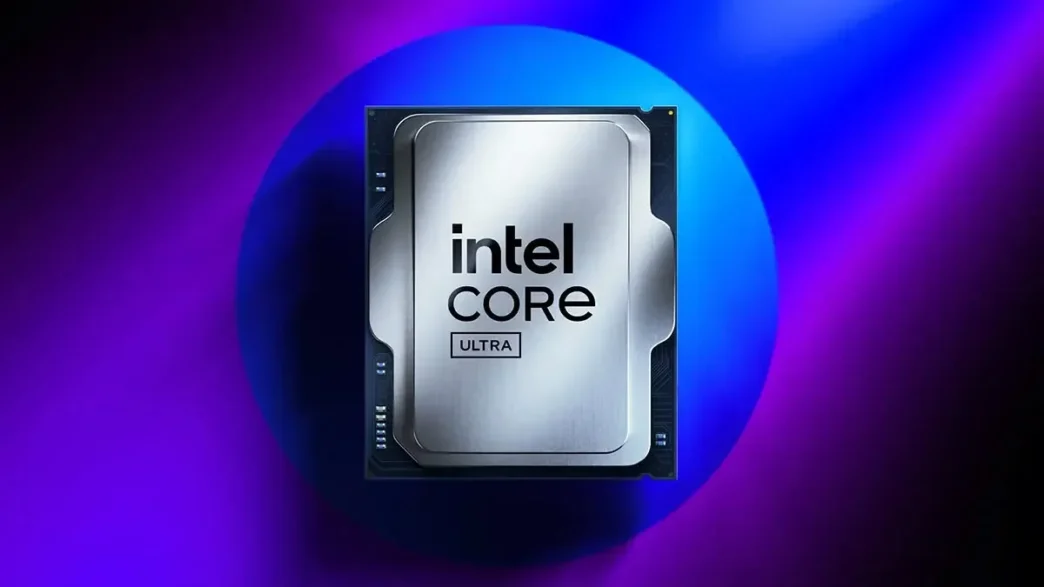
Intel is reportedly preparing another price increase of up to 10% for its PC processors, with the adjustment potentially taking effect on October 5, 2026. The move would extend a series of increases since late 2025 and could include desktop and mobile CPUs, although Intel has not publicly confirmed the plan.
Key takeaways
- Intel may raise PC CPU prices by approximately 10% in early October.
- The affected processor families and regions remain unclear.
- Recent Core Ultra price increases already lifted selected MSRP figures.
- Intel could discontinue low-margin “Small Core” products used in embedded and industrial systems.
- Higher-margin server products may receive priority for Intel’s manufacturing capacity.
For PC builders and hardware buyers following ThinkComputers, the reported increase could make upcoming system upgrades more expensive, particularly if retailers reduce the deep discounts seen on recent Core Ultra processors.
Another increase could arrive in October
Supply-chain reports indicate that Intel is considering a further price adjustment around October 5. The company reportedly raised PC CPU prices by roughly 10% during the first quarter of 2026, followed by a July adjustment affecting selected consumer and server products.
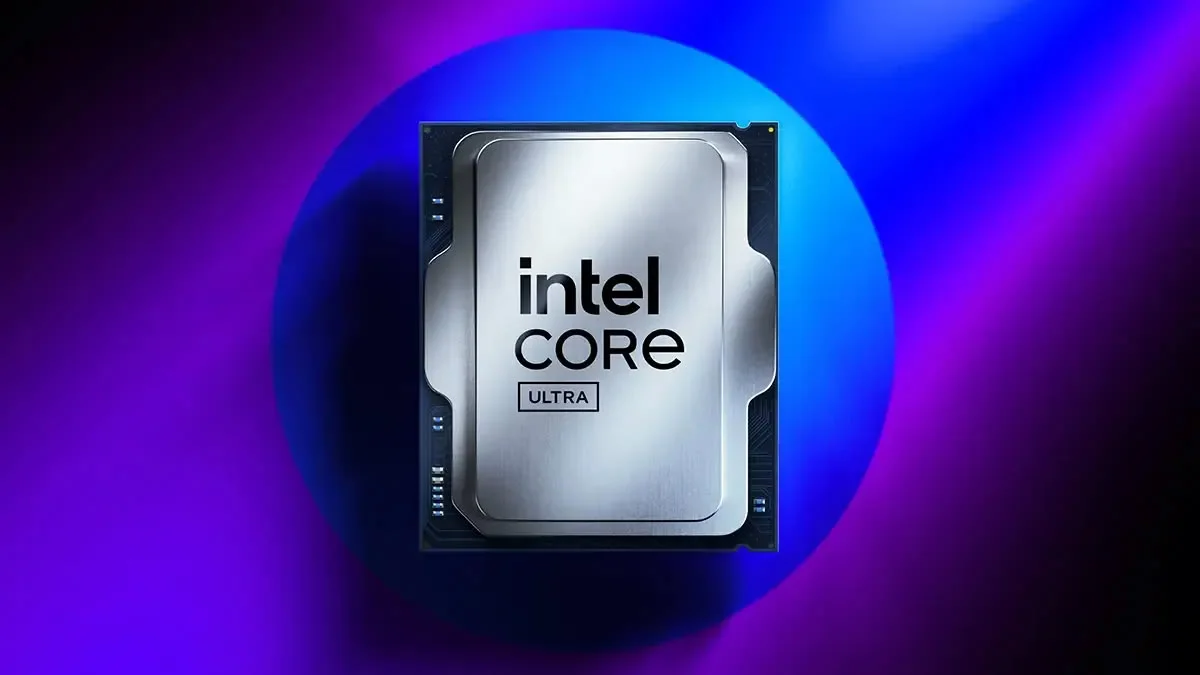
The latest report does not identify specific models or confirm whether desktop and laptop processors will be treated equally. Previous-generation inventory could also be affected, depending on Intel’s pricing strategy and channel stock levels.
Core Ultra pricing has already moved higher
Intel’s Core Ultra 7 270K Plus and Core Ultra 5 250K Plus provide recent examples of price changes. The 270K Plus reportedly rose from a $299 launch price to as much as $349, while the 250K Plus increased from $199 to approximately $229 in recommended pricing.
Retail pricing has remained more flexible than MSRP, with both processors appearing in substantial promotions. A new increase may reduce the frequency or depth of those discounts, raising the effective cost of a midrange gaming or productivity build.
Low-margin Small Core products may be cut
Intel is also reportedly reviewing its “Small Core” product line, with some models potentially headed for end-of-life status. These chips are associated with industrial PCs, embedded systems, IoT hardware and certain low-cost computers. The reports do not suggest that Intel is abandoning E-cores used in mainstream Core processors.
Reducing these products would represent a shift away from maintaining a broad lineup for volume and platform coverage. Qualcomm and MediaTek could benefit if industrial and embedded customers seek alternative ARM-based solutions.
Manufacturing capacity remains a factor
Intel is said to be prioritizing higher-margin server processors at its own fabs, potentially limiting capacity available for PC CPUs. Meeting server demand may require additional outsourcing to TSMC, while Intel continues to improve yields for its 18A process and advance 14A development.
The reported strategy reflects a focus on gross margin rather than maximum unit sales. However, higher prices could further pressure PC demand as consumers and businesses delay upgrades. Intel has not confirmed the October increase, affected products or any Small Core product cancellations.
Via DigiTimes