


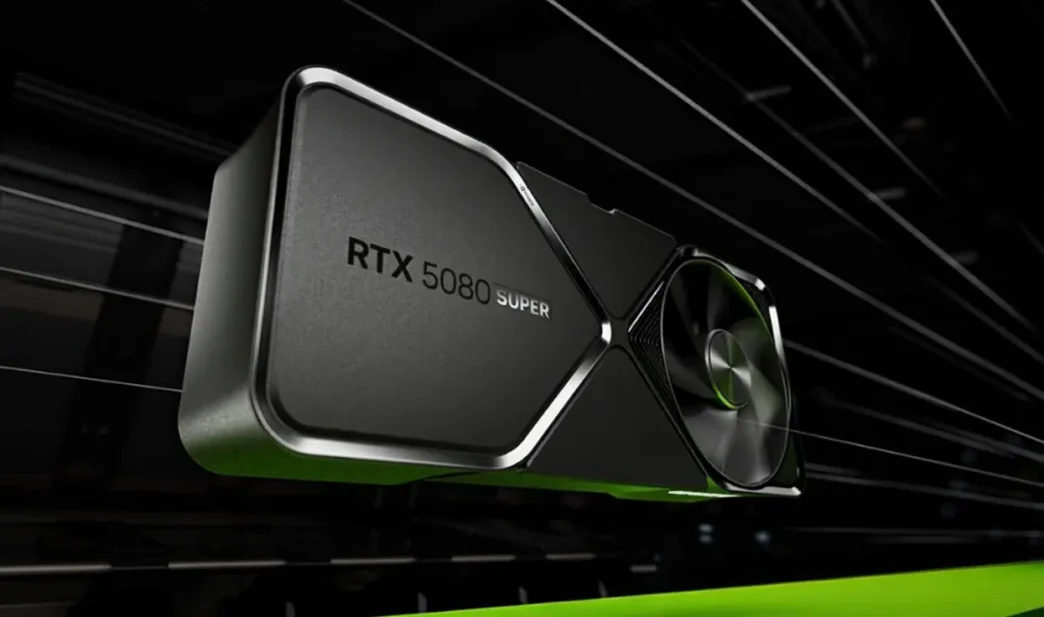
NVIDIA’s highly anticipated GeForce RTX 50 Super series has reportedly reached board partners, but a commercial debut remains elusive. Despite the hardware being ready for market, the company has placed the launch on an indefinite hold, primarily due to the volatile and high costs associated with 3GB GDDR7 memory modules.
Key takeaways
- The RTX 50 Super series hardware is already in the hands of board partners.
- A launch is currently on hold due to the high cost of 3GB GDDR7 memory chips.
- 3GB modules are significantly more expensive than the 2GB versions used in standard models.
- The lineup includes the RTX 5080 Super, 5070 Ti Super, 5070 Super, and the 5050 9GB.
The memory cost bottleneck
The primary obstacle preventing the release of the RTX 50 Super series is the current pricing of 3GB GDDR7 memory modules. Industry reports indicate that these high-density chips cost between $60 and $70 each, compared to approximately $20 for the 2GB modules found in existing RTX 50-series cards. Because these cards require six to eight modules, the total cost increase per unit is substantial, potentially adding hundreds of dollars to the manufacturing price of each unit.
Impact on the GPU lineup
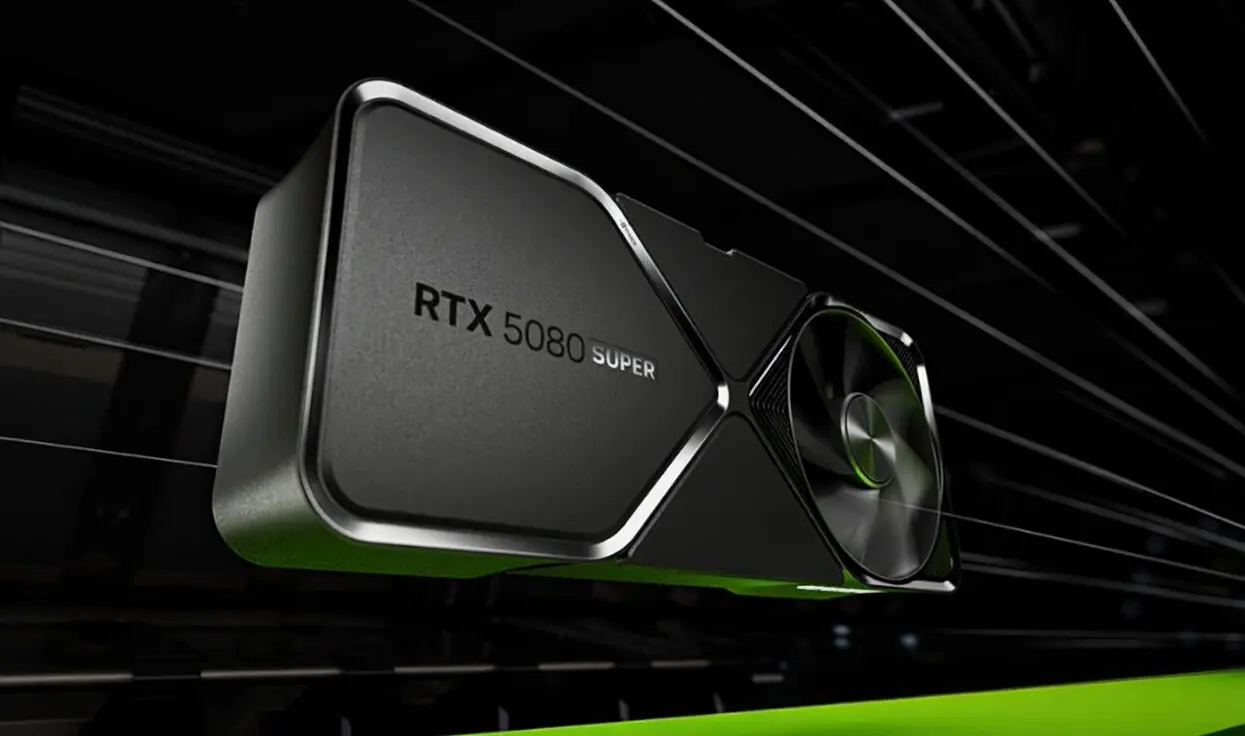
By utilizing 3GB modules, NVIDIA aimed to provide a 50% increase in VRAM capacity across the refreshed lineup. This upgrade would significantly benefit memory-intensive tasks, though it comes with a higher thermal design power (TGP). Below is a summary of the expected models and their power requirements:
| Model | Expected TGP |
|---|---|
| RTX 5080 Super | 415 W |
| RTX 5070 Ti Super | 350 W |
| RTX 5070 Super | 275 W |
These power increases are necessary to support the more complex memory configuration. The higher TGP ratings suggest that the cards may also feature slightly improved clock speeds to justify the premium positioning of the Super brand.
Strategic supply considerations
NVIDIA is currently balancing its consumer GPU production with the massive demand for its AI-focused hardware. The same 3GB GDDR7 modules are being prioritized for high-margin products like the RTX PRO 6000 Blackwell series. With supply being limited and costs rising, NVIDIA appears to be waiting for more favorable market conditions before moving forward with a retail launch. For now, gamers must rely on the existing RTX 50-series models that utilize the more readily available 2GB memory chips.
Via VideoCardz