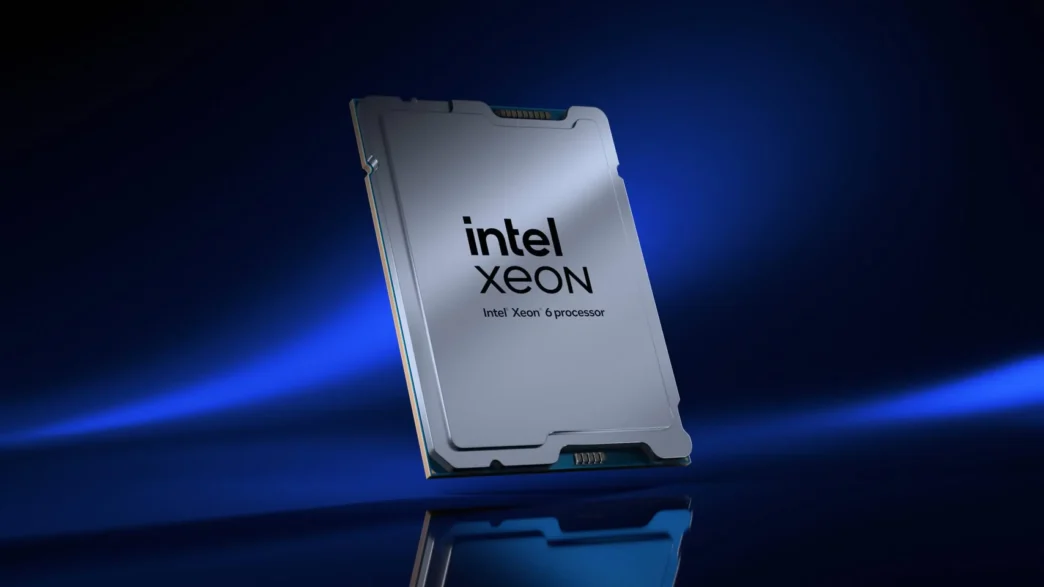
Intel has officially confirmed that it will reintroduce multithreading technology in its upcoming Xeon 8 “Coral Rapids” processor line, scheduled for release in 2028. This strategic pivot marks a significant shift for the company, which had moved away from Simultaneous Multithreading (SMT) in several of its recent CPU architectures to focus on asymmetrical core designs and efficiency-focused layouts.
Key takeaways
- Multithreading (SMT) will return with the Xeon 8 “Coral Rapids” series in 2028.
- The decision aims to bolster performance competitiveness against rival server-grade processors.
- Coral Rapids is expected to leverage Intel’s advanced 14A manufacturing node for its compute tiles.
- The move follows a period of experimentation with non-SMT designs in the Xeon 6 and Xeon 7 families.
A shift in architectural strategy
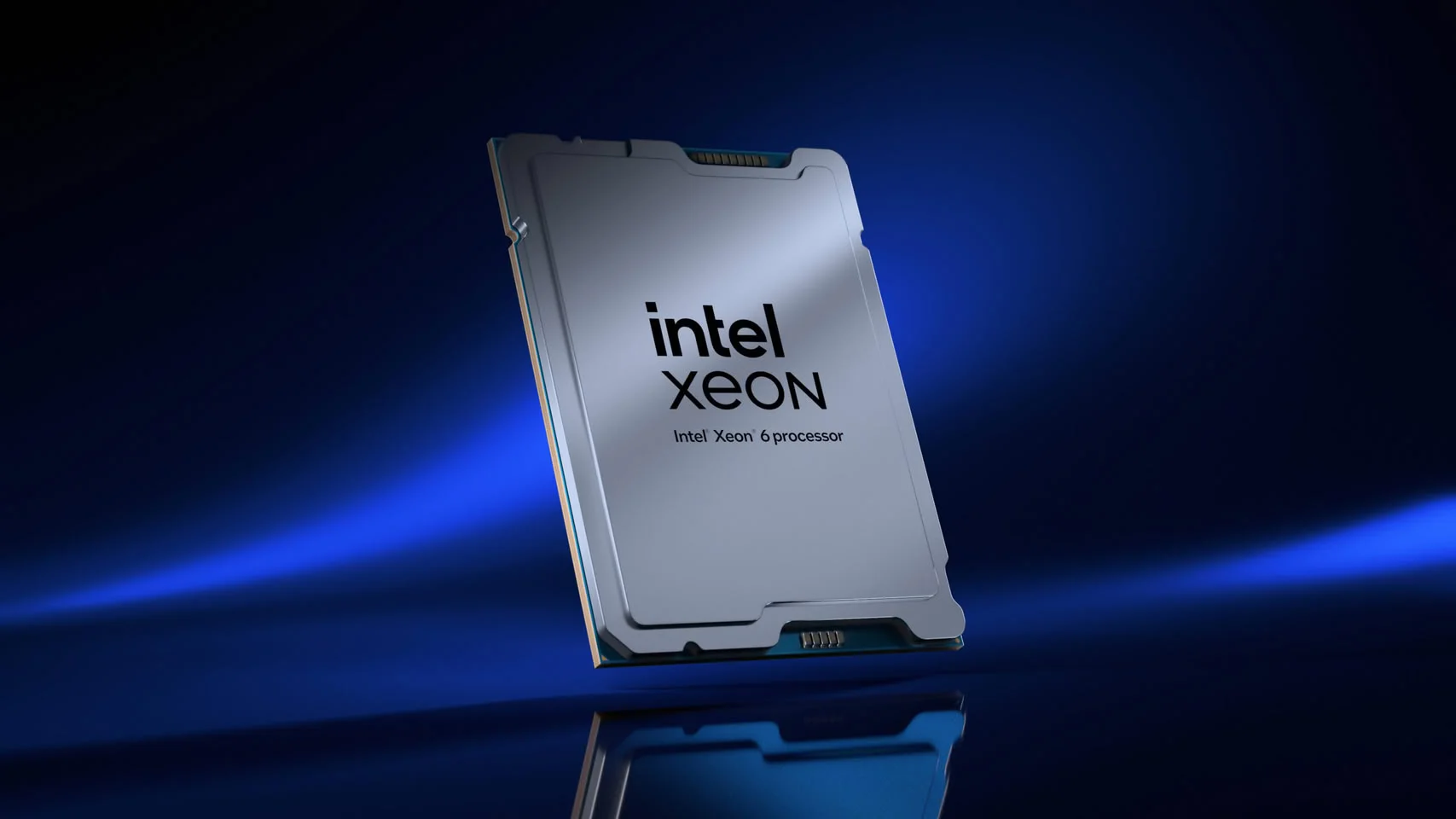
In recent years, Intel has navigated a complex transition regarding its core designs. The company initially stepped back from traditional Hyper-Threading, favoring asymmetrical CPU layouts where SMT was limited to performance cores. While the Xeon 6 “Granite Rapids” family retained SMT, other lines like the “Clearwater Forest” E-Core processors and the upcoming “Diamond Rapids” Xeon 7 SKUs were designed without the technology. By reintroducing SMT in the Coral Rapids lineup, Intel aims to optimize both single-threaded and multi-threaded performance, addressing feedback from enterprise users who require high throughput for demanding workloads.
The role of the 14A manufacturing node
The 2028 launch of Coral Rapids is timed to coincide with the high-volume manufacturing of Intel’s 14A process node. This integration is expected to be a critical factor in the processor’s success, as it allows for greater density and improved power efficiency. By pairing the return of multithreading with a cutting-edge manufacturing process, Intel intends to deliver a significant performance leap that can compete with the evolving landscape of high-performance computing. The Foundry division is currently focused on ensuring yield improvements and advanced packaging to support this ambitious roadmap.
Competitive pressures and market outlook
Industry analysts note that the decision to bring back SMT is largely driven by the need to maintain a competitive edge in the server market. As competitors continue to push the boundaries of core counts and thread density, Intel is recalibrating its approach to ensure its Xeon 8 processors remain the standard for data centers. While the industry has debated the security and efficiency trade-offs of SMT, Intel’s commitment to refining the technology for its next-generation chips underscores the importance of thread-level parallelism in modern enterprise environments.