



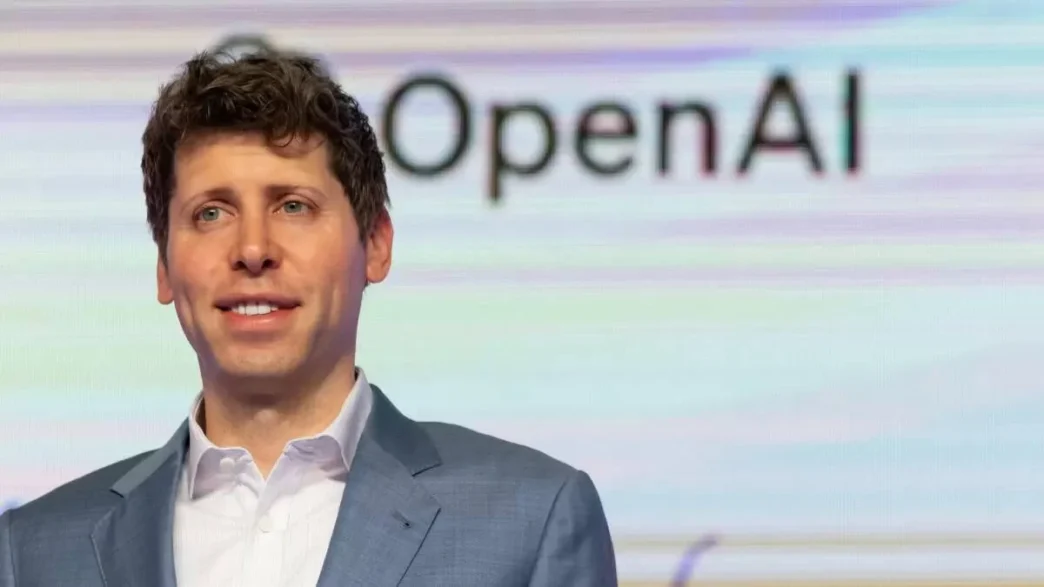
OpenAI CEO Sam Altman has argued that personal computers use scarce DRAM inefficiently compared with centralized cloud infrastructure. Speaking on the Cheeky Pint podcast, he criticized the idea of running AI models locally, prompting a broader debate over memory shortages, data-center demand and who should control computing resources.
Key takeaways
Altman’s remarks focused on how memory is allocated—not on a specific PC configuration or a new OpenAI product.
- He said many PCs have DRAM that is idle much of the time, while cloud systems can keep memory in heavier use.
- The comments concerned local AI inference and the prospect of running open models on personal computers.
- Enthusiasts point out that PC memory also supports gaming, content creation and everyday applications.
- Centralized and local computing offer different trade-offs in access, cost, privacy and control.
What Altman said about local AI
On the podcast, Altman said it was “quite terrible” from a global resource-allocation perspective for people to keep large amounts of the world’s limited DRAM in their computers when it may be used only a small fraction of the time. He argued that cloud infrastructure could make more intensive use of memory in a supply-constrained market.

His comments came during a discussion of local inference: running an AI model on a user’s own hardware rather than sending requests to a remote service. That approach could let users run open models without relying on a cloud provider, but it can require substantial system memory, depending on the model and workload.
Why PC users object
For PC builders and gamers, RAM is not simply an AI resource sitting idle. System memory supports games, browsers, streaming, video editing and multitasking, while capacity needs vary by workload. A machine with unused memory can also provide headroom for demanding applications or future upgrades.
Altman’s framing also reflects the interests of a company whose core products rely heavily on cloud-hosted models. Moving more computing to data centers can improve centralized utilization, but it also leaves users dependent on remote services, their pricing and availability. Local systems offer more direct ownership and can keep some data and processing on the user’s device.
A constrained market with different kinds of memory
AI infrastructure expansion has intensified competition for computing hardware and contributed to pressure across the memory market. However, DRAM is not a single interchangeable product: PCs commonly use DDR memory, while AI accelerators often pair with high-bandwidth memory. Their supply chains and uses differ, even as demand across the industry places pressure on manufacturing capacity.
Altman’s argument is therefore a case for prioritizing shared cloud capacity, not a technical consensus that personal computers should have less memory. The debate highlights a central question for the PC market: whether future computing should be concentrated in data centers or remain available on hardware users own and configure themselves.