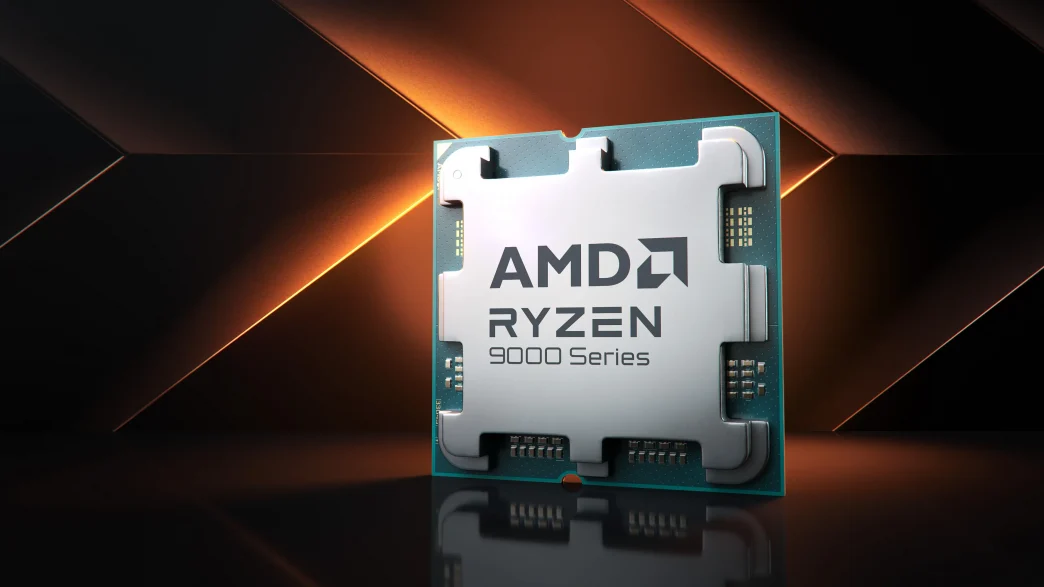
The anticipated release of AMD’s Ryzen 9000X3D CPUs has reportedly been postponed to CES 2025, according to several credible leaks. Gamers aiming for enhanced performance with 3D V-Cache technology may need to exercise patience as the brand navigates its launch timeline and strategies.
Short Summary:
- Rumored launch of Ryzen 9000X3D CPUs delayed to CES 2025.
- Initial expectations for a late 2024 release have been upended.
- AMD may optimize 3D V-Cache chips amid lukewarm Zen 5 reception.
In an unexpected twist for the PC hardware community, the eagerly awaited launch of AMD’s Ryzen 9000X3D CPUs featuring advanced 3D V-Cache technology has been rumored to shift to early 2025, specifically during the Consumer Electronics Show (CES). This latest information stems from notable hardware leakers on social media platforms such as X, including HXL, who recently posted regarding the launch window. The news has left many gaming enthusiasts disappointed, as the new chips were initially anticipated to arrive towards the end of 2024.

Despite initial buzz suggesting that AMD might unveil the new Ryzen 9000X3D chips as early as September 2024, the tone has shifted considerably. This echoes a trend observed in previous AMD launches, where speculated release dates often fluctuate without clear communication from the company itself. AMD has been notoriously silent regarding any official launch timetable, although several motherboard manufacturers had received indications of a late 2024 date.
The absence of a concrete deadline for the Ryzen 9000X3D lineup isn’t just an issue of scheduling; it could have significant implications for AMD’s competitive edge. Intel’s upcoming Core Ultra 200K series is expected to make its debut soon, potentially around October 2024. This forthcoming launch presents an opportunity for Intel to capture a larger market share if AMD cannot successfully roll out its newest offerings in a timely manner.
The Importance of 3D V-Cache Technology
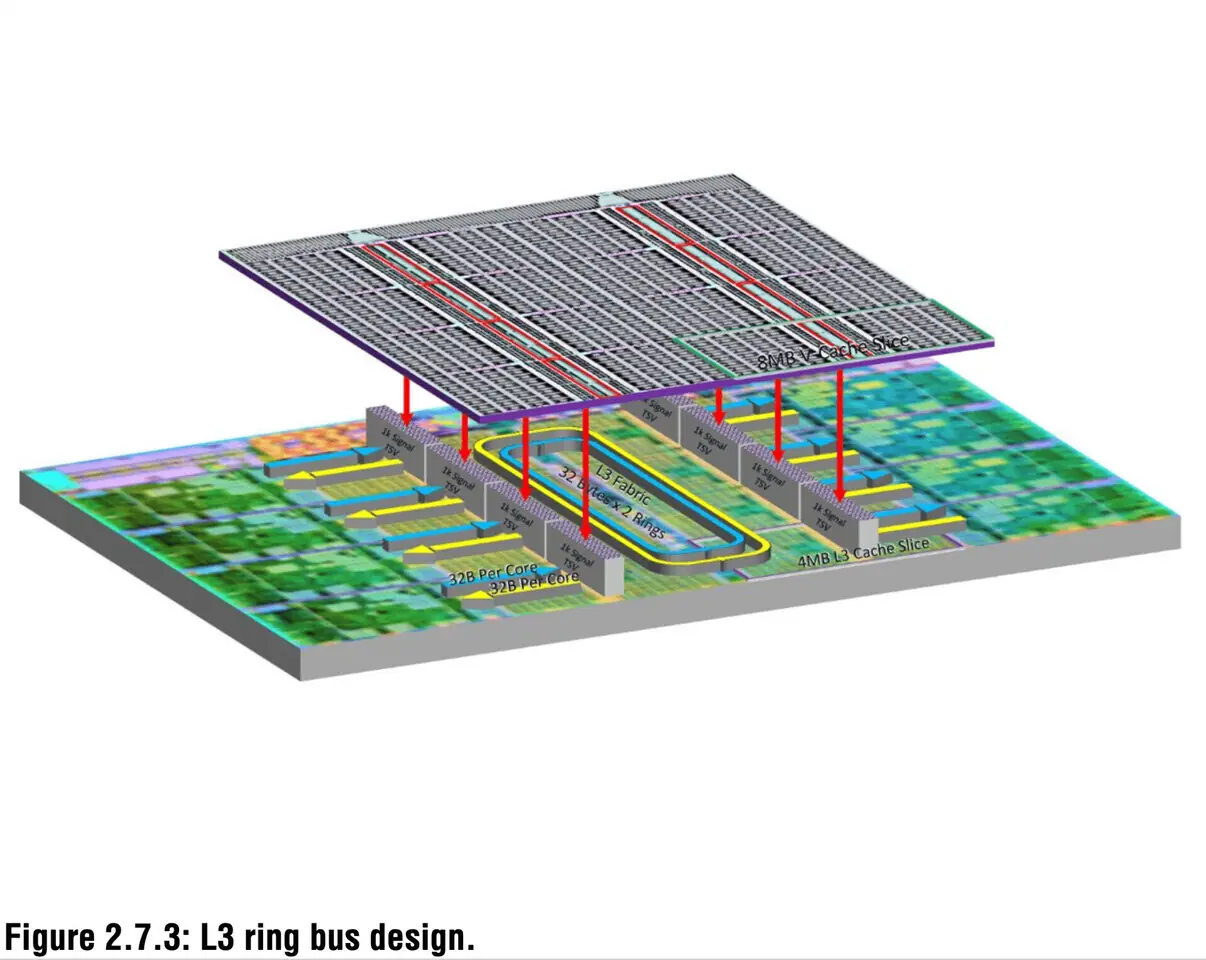
AMD’s X3D processors, which utilize specialized 3D V-Cache for enhanced performance in gaming, have been highly regarded within the PC building community. The current champion among gaming processors is the Ryzen 7 7800X3D, which remains a favored choice for PC builders looking for high-performance components.
“Despite Zen 5’s architectural advancements, 3D V-Cache remains hard to surpass,” stated analysts, highlighting the significance of AMD’s technology.
New leaks have indicated that the Ryzen 9000X3D will consist of three major SKUs, mirroring the cache sizes of their predecessors. Nonetheless, these processors will likely boast several enhancements, including improved overclocking capabilities and advanced compatibility with DDR5 RAM. AMD has assured users that there will be “cool differentiators” setting the X3D models apart from standard Ryzen processors.
Expectations vs. Reality
The core issue appears to stem from mixed responses to AMD’s recent releases. The Ryzen 9000 series CPUs seemed to lack the performance improvements many enthusiasts expected, leading AMD to reevaluate their strategies before rolling out the more advanced X3D variants. Reports have hinted that Windows 11’s performance management may be hindering CPU efficiency, suggesting that gamers might not be experiencing the full potential of their systems.
The Ryzen 9000X3D’s delay may serve a strategic purpose. Given the lukewarm market reception of the Ryzen 9000 CPUs, AMD could be opting to further refine these chips to ensure they meet—or exceed—expectations. The stark reality is that the company does not want to risk another launch that underwhelms its loyal fan base. Leaker HXL articulated this sentiment succinctly on Twitter, questioning the potential impact of the delay on AMD’s sales.
Furthermore, the Ryzen 9000X3D’s suggested CES 2025 launch aligns with typical industry patterns where manufacturers often unveil new technologies at major events. Historically, releases following initial processor launches—specifically those featuring enhanced versions—have occurred within similar timeframes.
GDPR Implications and User Expectations
This delay shines a spotlight on how shifts in consumer expectation could alter AMD’s marketing approach in the near future. Previous announcements from the company have created buzz that may not have been completely aligned with actual product release capabilities. While AMD acknowledged issues with marketing and testing, the extended timeline for the Ryzen 9000X3D must not compromise the company’s financial performance during an already competitive landscape.
Pitfalls for Core Competitors
As we await further clarity on Ryzen 9000X3D specifications, performance comparisons, and release strategies, it’s evident that AMD is weighing several factors. The possibility of performance mismatches when compared to the upcoming Intel offerings could redefine users’ buying patterns. This delay might unexpectedly benefit Intel, potentially allowing them more time to capitalize on AMD’s postponement and emphasize the strengths of their upcoming Core Ultra chips.
Conclusion: Looking Ahead
As true aficionados of PC hardware gear up for the kickoff at CES 2025, the overarching sentiment remains hopeful yet cautious. AMD is keenly aware of its audience, fostering innovation that thrives on both competitive spurring and technological advancements. Ultimately, an on-target launch with robust performance benchmarks may reinvigorate AMD’s standing within the performance-driven gaming segment.
The narratives constructed around Ryzen 9000X3D highlight the fluid nature of tech release dates, especially in an industry characterized by rapid advances in technology and changing consumer preferences. For now, gamers and builders alike will have to patiently monitor AMD’s developments as CES 2025 approaches, eagerly anticipating what may emerge from Team Red.