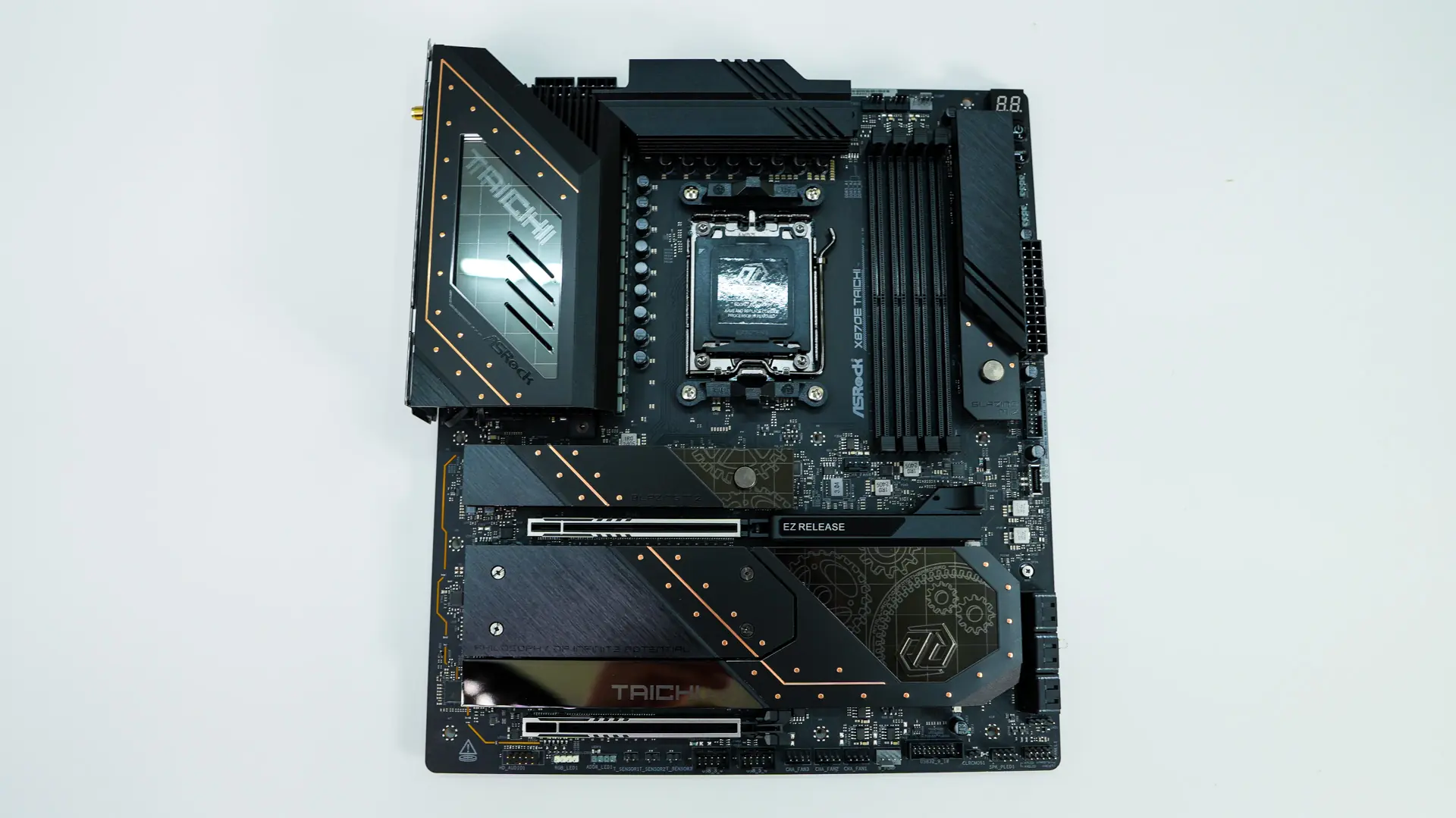
ASRock, a prominent player in the PC hardware market, has announced plans to relocate its GPU and motherboard manufacturing from China to other countries. This decision comes in response to the recent 10% tariffs imposed by the Trump administration on Chinese imports, which are expected to significantly impact the pricing and availability of PC components in the U.S. market.
Key Takeaways
- ASRock is shifting its manufacturing to avoid a 10% tariff on Chinese imports.
- The company plans to move production to Vietnam and Taiwan.
- During the transition, ASRock may absorb some costs or increase prices.
- The competitive market may limit ASRock’s ability to raise prices significantly.
Background On Tariffs
The U.S. government has implemented a series of tariffs aimed at reducing reliance on Chinese manufacturing. The latest 10% tariff affects a wide range of products, including GPUs and motherboards, which are critical components for gaming and computing.
ASRock’s decision to move manufacturing is a direct response to these tariffs, which are part of a broader strategy to encourage companies to relocate production to the U.S. or other countries. However, the reality is that many tech companies, including ASRock, have long relied on Chinese manufacturing due to its cost-effectiveness and established supply chains.
Manufacturing Relocation Plans
ASRock has indicated that it will be moving its production to Vietnam and Taiwan. This shift is not expected to happen overnight; the company has acknowledged that it will take time to transition manufacturing processes to these new locations.
- Potential New Manufacturing Locations:
- Vietnam: Known for its growing electronics manufacturing sector, Vietnam offers a favorable environment for companies looking to relocate.
- Taiwan: As a hub for semiconductor manufacturing, Taiwan has the infrastructure and expertise needed for high-tech production.
Impact On Pricing
During the transition period, ASRock has stated that it may absorb some of the costs associated with moving production. However, the company also warned that it might need to increase prices to reflect the higher costs of manufacturing in new locations.
- Price Increase Factors:
- Increased labor costs in Vietnam and Taiwan compared to China.
- Potential disruptions in supply chains during the transition.
- Competitive pressures that may limit the ability to raise prices significantly.
Industry Reactions
ASRock’s move is likely to set a precedent for other companies in the PC hardware sector. Many manufacturers, including MSI and Gigabyte, are also evaluating their production strategies in light of the new tariffs. The overall sentiment in the industry is one of caution, as companies navigate the complexities of relocating manufacturing while maintaining competitive pricing.
Conclusion
ASRock’s decision to shift its manufacturing out of China highlights the ongoing challenges faced by tech companies in the current geopolitical climate. As tariffs continue to reshape the landscape of global trade, companies must adapt quickly to remain competitive. The move may provide ASRock with a temporary reprieve from tariffs, but the long-term implications for pricing and supply chain stability remain to be seen.