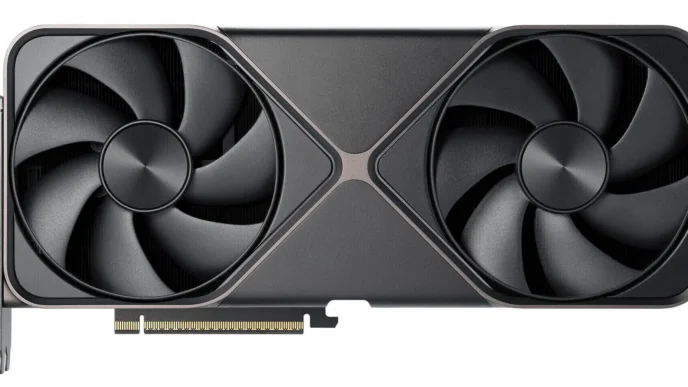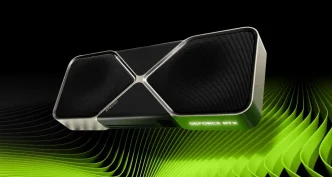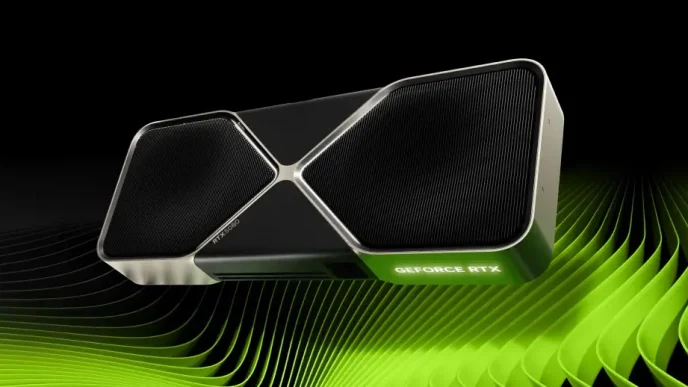

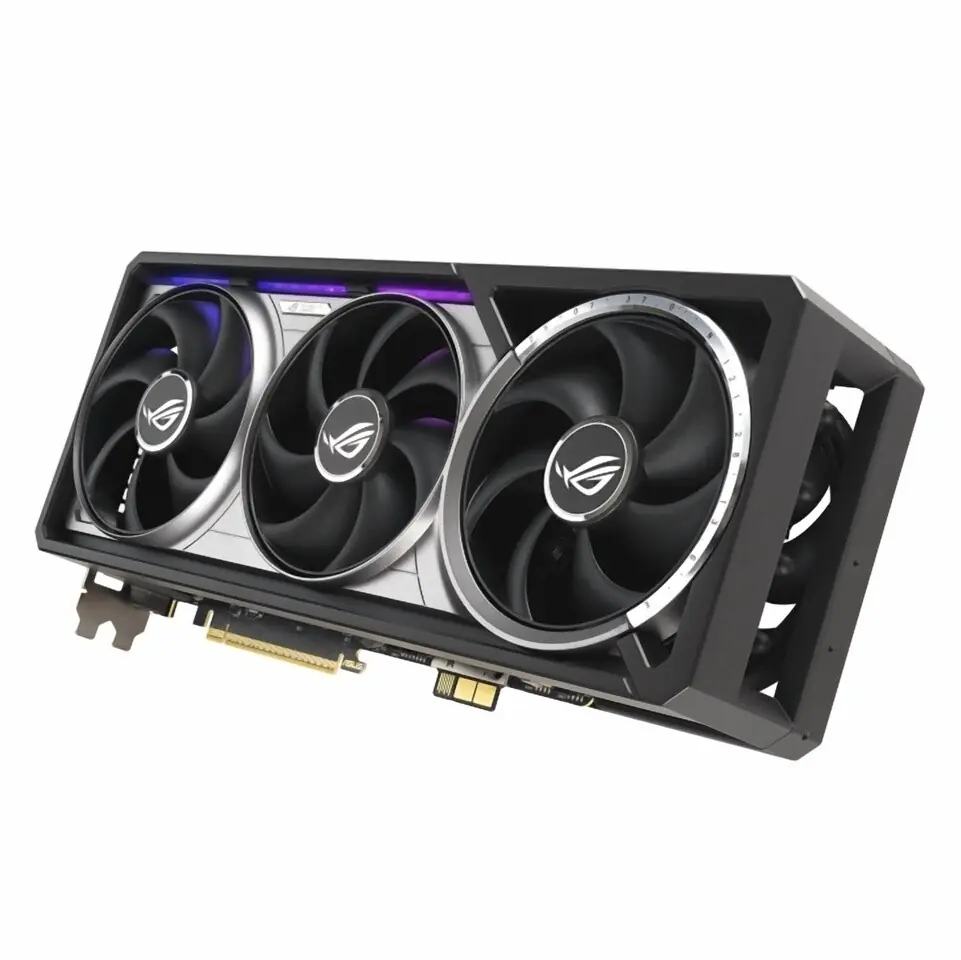
ASUS has unveiled its groundbreaking ROG Astral RTX 5090 BTF Edition, featuring the innovative GC-HPWR connector. This new design promises extreme power handling capabilities and enhanced thermal management, addressing previous concerns with high-power GPU connectors. The BTF 2.5 revision introduces a detachable connector, offering unprecedented flexibility for PC builders.
Redefining GPU Power Delivery
ASUS’s latest innovation, the GC-HPWR connector, is a significant leap forward in GPU power delivery. Designed to handle substantial power, this proprietary metal connector aims to provide a more stable and cooler alternative to traditional plastic 16-pin connectors. The BTF (Back to the Future) 2.5 design allows for a detachable GC-HPWR connector, giving users the option to switch between it and a standard 16-pin 12VHPWR connector.
- The detachable GC-HPWR connector enhances versatility, allowing compatibility with both BTF-ready and standard motherboards.
Extreme Power Handling and Thermal Performance
Tony Yu, General Manager of ASUS China, conducted rigorous tests on the GC-HPWR connector, demonstrating its impressive capabilities:
- Standard Load (670W): The connector maintained temperatures between 30-35°C, aligning with typical RTX 5090 power consumption.
- Increased Load (1,300W): Temperatures only rose to 38°C, showcasing robust thermal management.
- Extreme Load (1,900W+): Under a 150A load, exceeding 1,900W, the GC-HPWR connector remained cool at around 41°C, significantly outperforming power cables which reached 68-70°C.
- Dual PSU Test (2,600W+): In an extreme scenario with two power supplies, the connector successfully handled over 2,600W, highlighting its potential for future high-wattage GPUs.
These tests confirm the GC-HPWR connector’s superior thermal performance and ability to manage extreme power loads, mitigating concerns about overheating and potential damage seen with previous connector designs.
Flexibility and Future Implications
The BTF 2.5 design addresses a key limitation of earlier BTF versions by making the GC-HPWR connector detachable. This means users are no longer restricted to BTF-specific motherboards, as the GPU can still function with a standard 16-pin connector. ASUS even provides a tool for easy removal and storage of the GC-HPWR module.
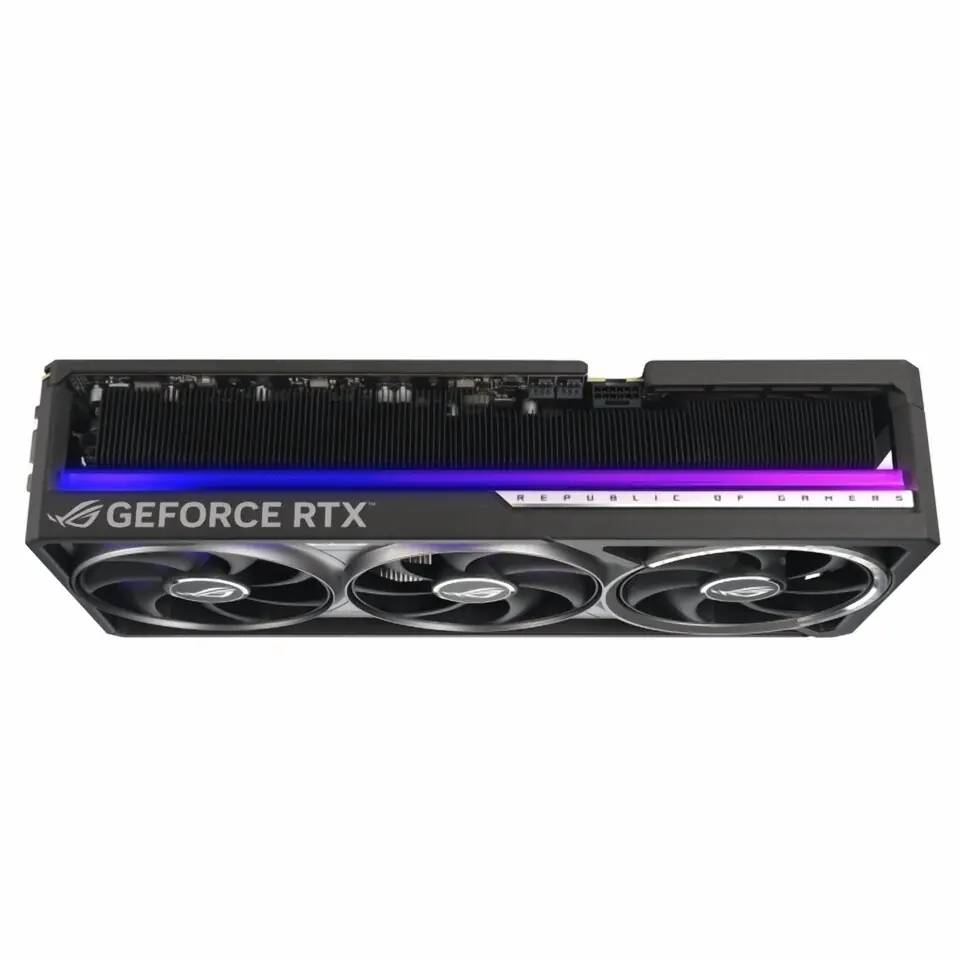
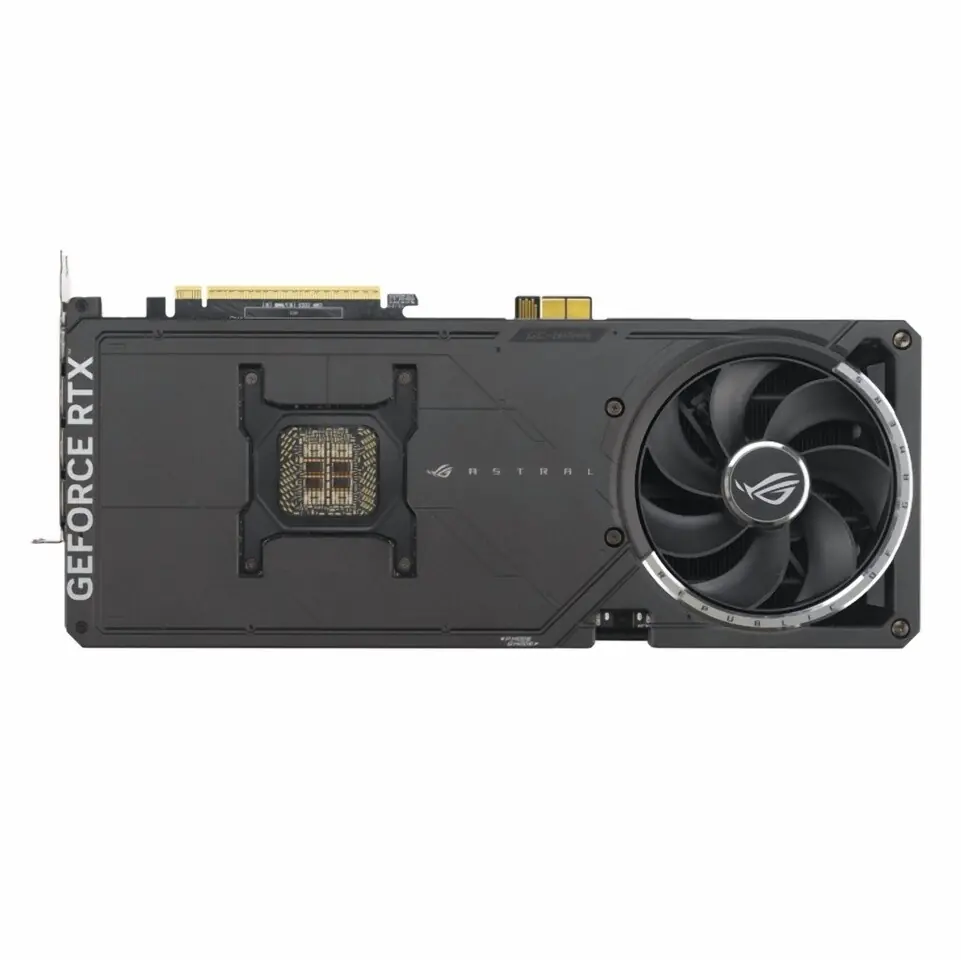
While current retail RTX 5090 cards are not expected to ship with both connectors active simultaneously, the testing suggests a viable path for future ultra-high-power GPUs. The ability for GC-HPWR and 16-pin connectors to share power loads efficiently could pave the way for new power delivery standards, supporting the ever-increasing power demands of next-generation graphics cards.
Via ASUS