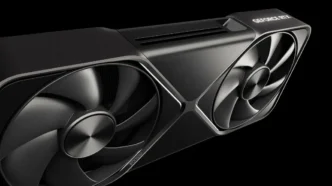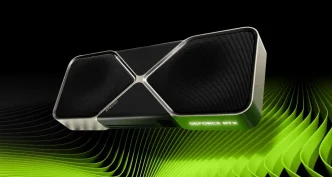

NVIDIA’s upcoming RTX 5080 Super is generating significant buzz with leaked specifications pointing to a substantial upgrade in VRAM and power limits, while maintaining a similar core count to its non-Super counterpart. These leaks suggest a strategic move by NVIDIA to enhance performance and address market demands, particularly concerning memory capacity.
Next-Gen VRAM Boost
The most anticipated upgrade for the RTX 5080 Super is its rumored 24GB of GDDR7 VRAM. This is a significant jump from the 16GB found in the standard RTX 5080, addressing concerns about memory limitations in high-resolution gaming and demanding applications. The increased VRAM is expected to utilize 32Gbps GDDR7 modules, maintaining a 256-bit bus width.
- 24GB GDDR7 VRAM (up from 16GB)
- 32Gbps GDDR7 memory speed
- 256-bit memory bus width

Powering Up Performance
Leaked information indicates that the RTX 5080 Super will feature increased power limits. While the exact figure varies across reports, it’s expected to be in the range of 400W to 420W, with some sources suggesting it could even reach 450W if deemed necessary for performance gains. This higher Thermal Design Power (TDP) is likely intended to allow for higher clock speeds and improved performance, especially given the consistent core count.
Core Count Consistency
Despite the ‘Super’ moniker, the RTX 5080 Super is rumored to retain the same 10,752 CUDA cores as the standard RTX 5080. This suggests that NVIDIA’s performance uplift will primarily come from the increased VRAM, faster memory speeds, and higher power limits enabling more aggressive clock frequencies, rather than a significant increase in processing units.
Market Implications and Release Window
The introduction of an RTX 5080 Super with enhanced VRAM could position it as a strong contender in the high-end GPU market, potentially closing the gap with the RTX 4090 in certain non-DLSS gaming scenarios. While no official release date has been confirmed, rumors suggest a launch towards the end of 2025. This timing aligns with NVIDIA’s typical refresh cycles and could also be influenced by the evolving landscape of GPU exports and regional market demands, such as the re-evaluation of the RTX 5090D for the Chinese market.
Via VideoCardz