A competitive gaming PC depends on low delay and steady output, not peak frame rates. High numbers look good in tests, yet stable delivery wins matches. Small drops in timing can break focus and cost points. Consistency shapes real performance under pressure. For that reason, efficiency now guides many hardware choices.
Balanced Hardware Matters
To begin with, a strong graphics card needs equal support from the processor and memory. When parts run at different speeds, delays start to build. That gap reduces smooth play during fast scenes. Balanced systems limit those slow moments and maintain rhythm.
In addition, fast storage plays a role. Quick load times keep the system responsive, allowing data to move faster between components. As a result, the game reacts without sudden pauses.
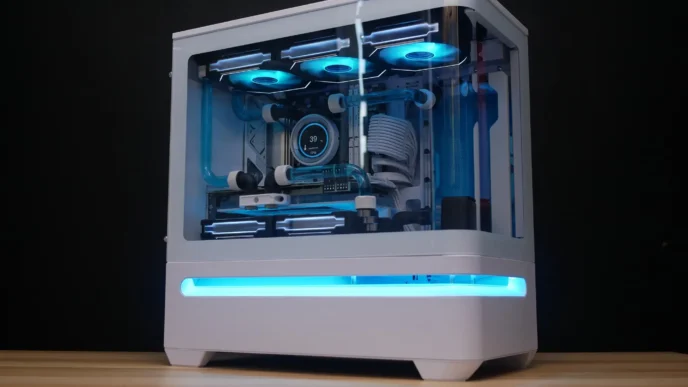
At the same time, cooling supports this balance. Heat lowers clock speeds over time, which weakens performance during long sessions. Proper airflow keeps parts within safe limits and protects stability when it matters most.
Stability in Competitive Platforms
As competitive gaming grows, platforms increasingly focus on ranked matches and structured events. Some even allow players to win money with gaming, raising the stakes further. In these settings, system crashes carry real consequences.
Because of that, stability becomes essential. A reliable PC reduces unexpected shutdowns. Updated drivers prevent software conflicts, and clean system settings limit background interruptions that can disrupt performance mid-match.
Latency Across the Chain
Beyond hardware balance, input delay also shapes performance. Delay begins at the keyboard or mouse. Signals travel through the USB controller to the processor, then to the graphics card for rendering. Finally, the monitor displays the result.
Individually, each step adds only a small delay. Together, however, they affect reaction speed. Lower overall latency makes actions feel direct and controlled, improving timing in competitive play.
Similarly, network quality influences results. A wired connection often delivers steadier data flow. Packet loss interrupts movement and actions, while stable links keep online matches smooth.
Efficiency Over Raw Output
Ultimately, efficiency means using power wisely while keeping performance steady under load. A quality power supply delivers stable voltage to every component, reducing the risk of random slowdowns. Clean power improves consistency.
Meanwhile, controlled fan curves manage heat without sudden noise spikes. Steady cooling prevents clock speeds from dropping under pressure. Together, these factors support reliable output during long gaming sessions.
Competitive systems rely on balance, control, and steady operation under pressure. High frame rates support smooth visuals, yet consistency shapes real outcomes. Stable timing protects reaction speed during intense moments. Reliable hardware reduces crashes and slowdowns. Efficient cooling maintains safe temperatures over time. In competitive gaming, predictable performance provides a practical and lasting edge.