Even the best-planned buildings in Minecraft will benefit from additional creativity, a bit more texture, or some fancy lighting. This is because most players are always limited by their own imaginations. Whether building medieval castles, modern cities, or picturesque villages, players add detail to their creations with a variety of construction processes and visual enhancements. This article looks at the various building ideas and how texture packs and shaders can turn mundane structures into extraordinary masterpieces.
Incorporating Depth and Detail
Although this sounds simple, it can make a lot of difference in a structure. Flat shapes and straight lines may be boring, but a slight change can add a sense of reality. Players can alter surfaces with blocks such as stairs, slabs, and fences, which simulate architectural features like window frames, support beams, or decorative molding. For instance, a combination of stone bricks (cracked and mossy) can make the walls of a castle appear old and ancient.
Layering can greatly improve internal spaces. Instead of boring floors, players can mix blocks such as polished andesite, oak planks, and carpets to simulate ornate tiling. Ceilings have exposed wooden beams and chandeliers made from fences and lanterns. It’s these little tweaks that give buildings a lively feel and look.
Enhancing the Look With TexturePacks
Minecraft’s visual style is quite blocky, so adding texture packs will make a significant difference. As much as the default textures are unique in some ways, high-resolution packs can greatly transform buildings. Packs like Faithful 32x keep the game’s detail level the same, but ramp up the clarity level. In other words, it makes the builds in Minecraft look cleaner and better. For something different, Conquest Reforged brings realistic medieval architecture and textures, as all blocks are replaced with new 3D models.
Dokucraft may prove perfect for fantasy builders. This is because it introduces a unique RPG feel, with highly elaborate wood grains and stone work details. Jicklus is characterized by softer, more pastel colors, which are perfect for building fanciful cottages and fairytale landscapes. Those on console or using the mobile version will be able to visit the Minecraft Marketplace and go through a selection of curated texture packs.
Improving Atmosphere with Shaders
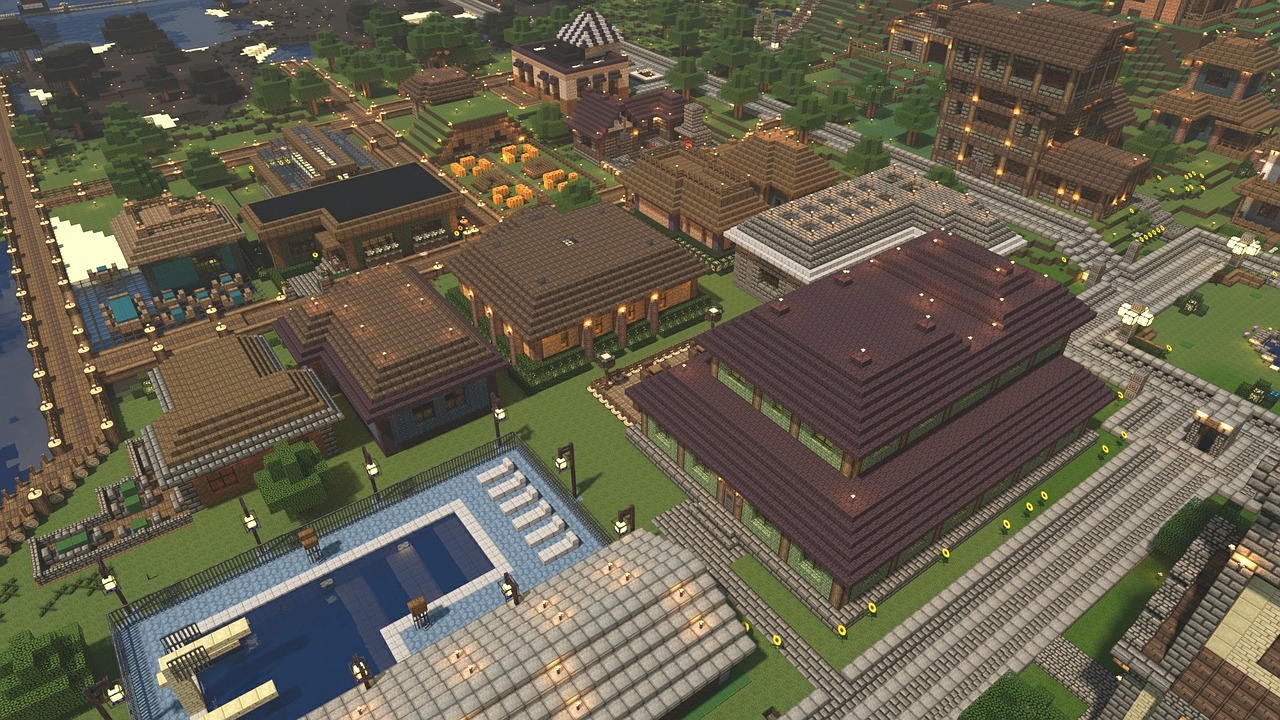
Through shaders, builds can go from normal to cinematic through massive lighting, shadow, and water transformations. A humble wooden cabin, for example, becomes something new when BSL Shaders dynamic sunlight filters through its windows, casting warm, natural glows within. Water reflects realistically and leaves a dance in a gentle wind that gives life to the otherwise still scenes.
For medieval builds, SEUS (Sonic Ether’s Unbelievable Shaders) adds an atmosphere with moody and volumetric lighting. Torch flames flicker believably, fog creeps through the valleys, making castles feel mysterious. Players with low-end PCs can try Sildur’s Vibrant Shaders (Lite), which doesn’t compromise on the game’s performance.
Using Themed Builds
A theme can help steer design decisions while keeping the look consistent. A quaint medieval village, for instance, boasts cobblestone streets, timber-framed houses and a central marketplace with stalls built from barrels and woolen awnings. The addition of a customized terrain (terraced hills, winding river, etc.) encourages an immersive experience amongst players.
For players who want a futuristic city, using quartz, concrete, and glass can create sleek skyscrapers. Neon signs made with colored wool or glowstone and ray-tracing shaders can replicate holographic ads and reflective streets. There are also subterranean bases, space stations, all of which utilize metallic textures and mechanical detail.
Integrating Landscaping and Natural Elements
Every true building considers landscaping because the surroundings come alive with gardens, forests, and water features. Huge custom trees are made with fences, trapdoors, and leaf blocks to provide some variety outside of vanilla’s simplistic designs. Terraforming hills with coarse dirt, gravel, and podzol creates natural erosion effects, while pathways lined with buttons as pebbles or flower pots as shrubs make the worlds of players realistic.
Waterfalls, ponds, and rivers may also be enhanced with shaders, which render water with transparency and reflections. Dropping down seagrass, coral, and fish into underwater areas brings them to life in different colors and movements. In snowy biomes, the frosty feeling can be enhanced with layered snow (utilizing snow blocks and layers) and icicles (crafted from end rods or pointed dripstone).
Final Thoughts
The top Minecraft builds are made by testing out ideas. Combining textures, experimenting with shaders, and adding final touches enables players to create their own styles. And, while high-end PCs can take full advantage of visual mods, even those playing on their phone or console can experience stunning visuals with optimized packs and some highly creative techniques.
In the end, creating a sprawling kingdom or minimalist modern dream house comes down to a healthy mix of creativity and functionality. With clever use of textures, shaders, and state-of-the-art building techniques, users can turn their blocky worlds into something that is nothing short of a work of art.