



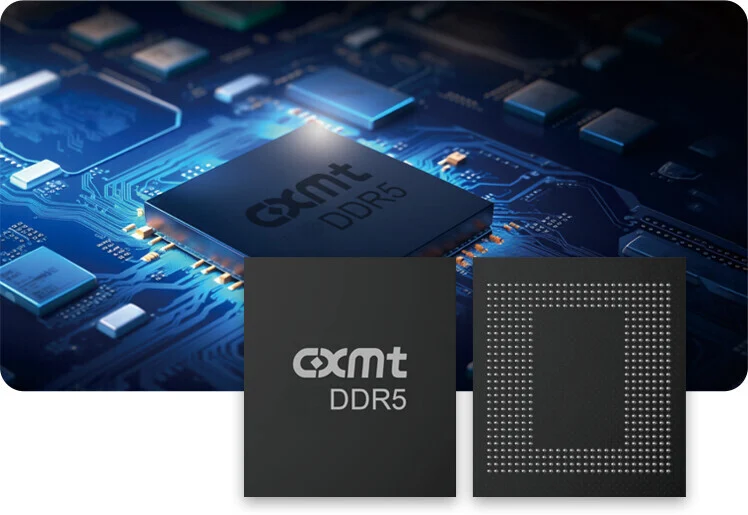
China’s CXMT is considering a second DRAM manufacturing plant in Beijing as artificial-intelligence infrastructure drives demand for memory chips. The proposed Yizhuang facility would expand the company’s domestic production footprint and strengthen its challenge to Samsung, SK hynix, and Micron, although financing and construction details remain at an early stage.
Key takeaways
- CXMT is reportedly discussing funding for a second Beijing DRAM fab.
- The proposed site would be located in Beijing’s Yizhuang technology district.
- A modern memory plant can require more than $10 billion to build.
- CXMT’s expansion is being supported by China’s push for semiconductor self-sufficiency.
- New capacity could primarily serve Chinese cloud companies and AI developers.
The reported project would add to CXMT’s existing manufacturing operations and planned expansions in Shanghai and Hefei. The company is seeking support from Beijing-backed investors and local authorities, with reports indicating that it has discussed at least 60 million yuan in government assistance. That figure would represent only a small portion of the potential construction cost.
Expansion follows record IPO
CXMT’s reported Beijing plans come soon after the company raised approximately $8.6 billion in a record-setting initial public offering. The fundraising gives the memory maker additional capital as it seeks to increase output and move closer to the scale of established global competitors.
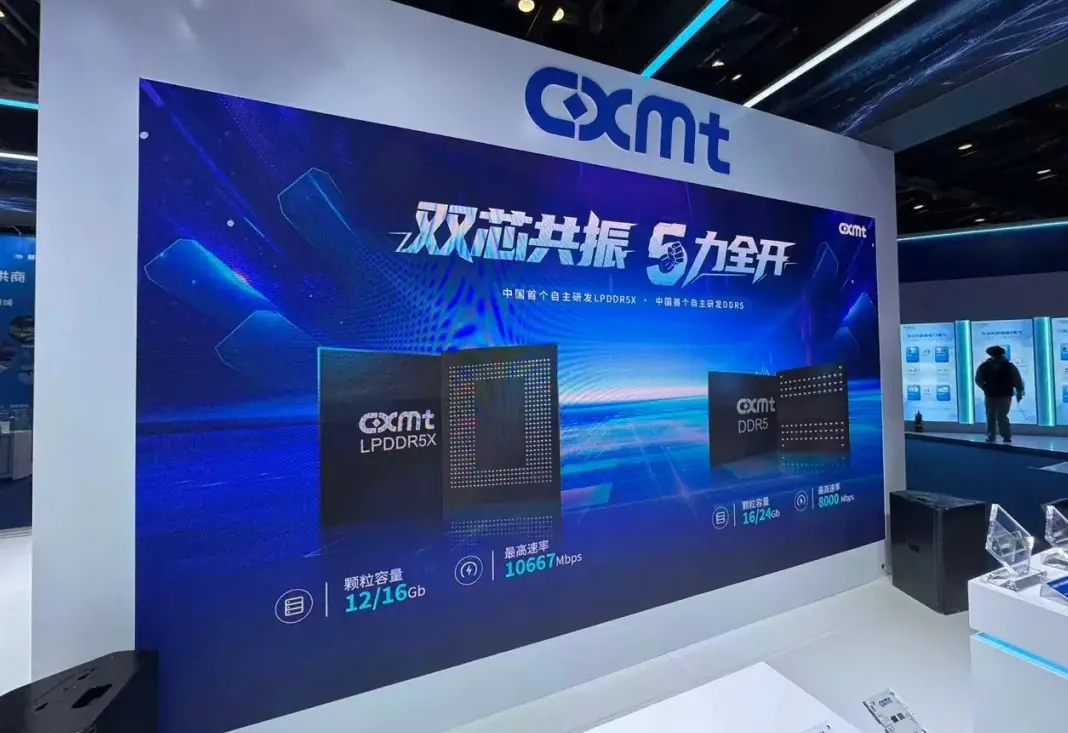
Building a leading-edge DRAM facility is a multiyear undertaking involving cleanrooms, manufacturing equipment, utilities, and complex supply chains. CXMT has reportedly accelerated parts of its construction process, but bringing a new fab to full production would still require substantial time and technical investment.
AI demand reshapes the memory market
The global AI data-center buildout has sharply increased demand for advanced memory, particularly high-bandwidth memory used alongside accelerator chips. Samsung, SK hynix, and Micron have directed significant resources toward those products, contributing to tight supplies and higher prices across portions of the memory market.
CXMT may benefit from opportunities in conventional DRAM and mobile memory as larger rivals prioritize AI-focused products. Reports have also linked the company with progress on newer low-power memory technologies, including LPDDR6, though its ability to produce them at high volume remains uncertain.
State support and market limitations
CXMT is a central part of China’s effort to reduce dependence on overseas semiconductor suppliers. Government-linked investors and local authorities have supported the company as US restrictions limit China’s access to advanced chipmaking equipment and technologies.
That backing could help CXMT expand faster and prioritize domestic customers, including Chinese hyperscalers, device makers, and AI laboratories. However, the company still faces challenges involving manufacturing yields, equipment access, technology maturity, and competition from the three dominant global DRAM suppliers.
Potential impact on global supply
If completed, a second Beijing fab would eventually add meaningful DRAM capacity and could help ease shortages in selected segments. CXMT’s current and planned facilities are reported to be targeting a substantial increase in monthly wafer production, potentially reaching hundreds of thousands of wafers once expansion projects become fully operational.
The effect on international prices will depend on product mix, yields, export access, and whether AI demand remains strong. For now, the proposed plant signals that China intends to use the memory shortage—and the industry’s AI-driven investment cycle—to accelerate its position in the global semiconductor market.
Via Reuters