


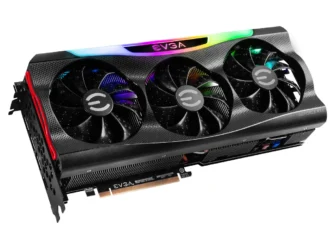
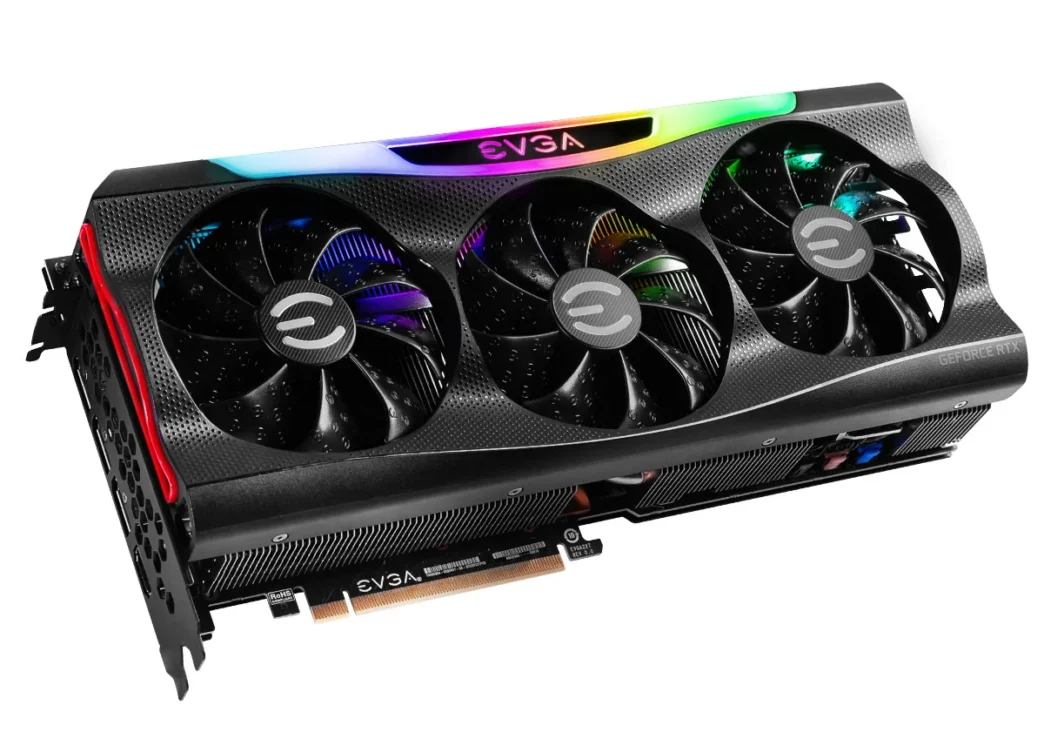
A former EVGA employee says Nvidia’s pricing expectations made some of the company’s most popular graphics cards unprofitable, adding pressure to a business already squeezed by competition from Nvidia’s Founders Edition models. Brendon Ray Hedrick’s account covers his 2016–2019 tenure, years before EVGA ended its GPU business in 2022.
Key takeaways
- Hedrick says EVGA was expected to offer cards at Nvidia’s advertised starting prices, even when selling them meant taking a loss.
- Nvidia’s Founders Edition cards competed directly with partner products, complicating EVGA’s pricing and margins.
- EVGA left the GPU market in 2022; graphics cards drove much of its revenue, while power supplies were reportedly more profitable.
Hedrick’s claims describe his understanding and experience at EVGA, rather than a public confirmation from Nvidia. They offer a former employee’s perspective on the pressures facing graphics-card partners.
Starting-price cards squeezed margins
In a personal account of his time at EVGA, Hedrick says the company was expected to sell at least one model at Nvidia’s advertised starting price. He cites the GeForce RTX 2080, which launched with a $699 starting price, while Nvidia’s Founders Edition version cost $100 more.
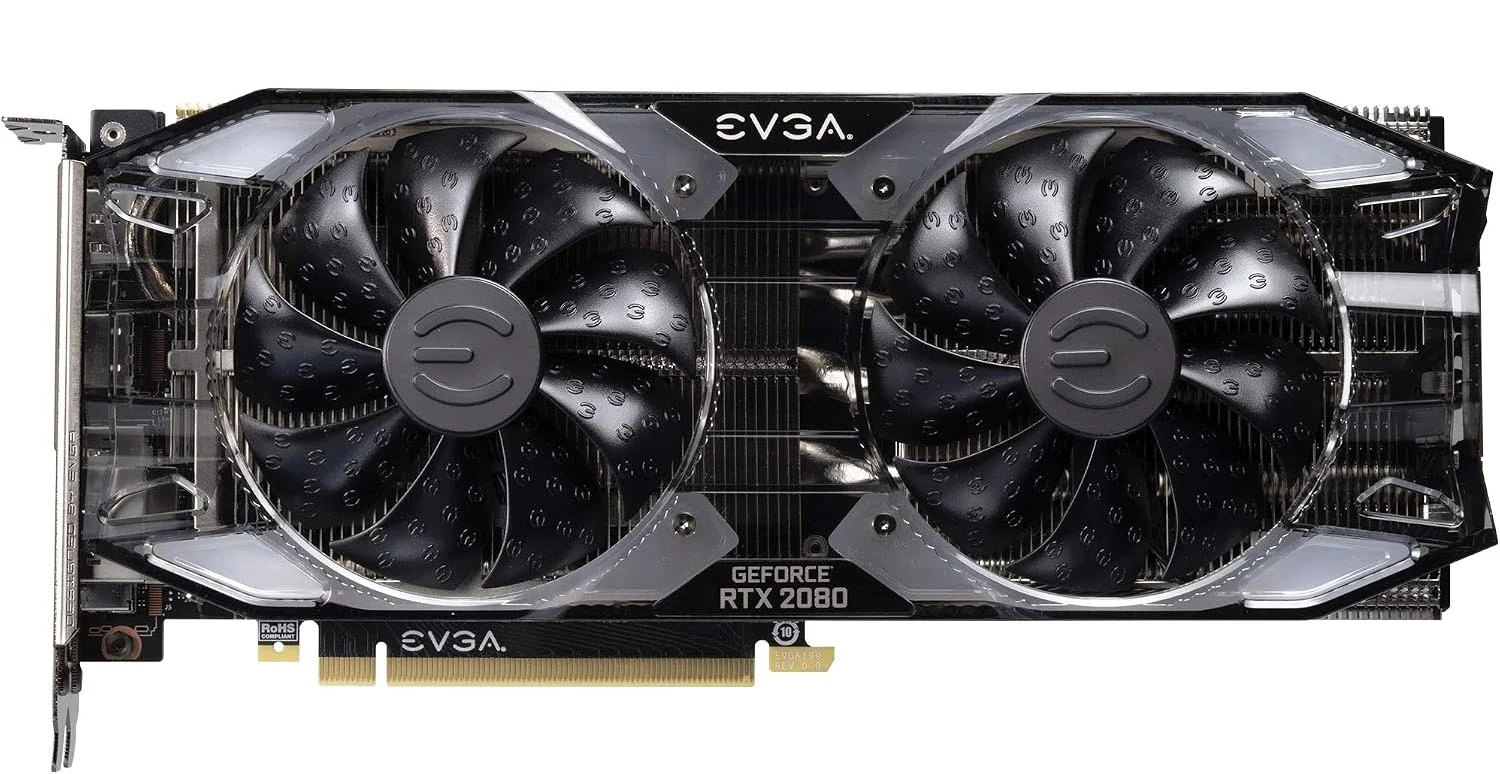
Hedrick says he believed Nvidia could reduce EVGA’s GPU allocation if the company did not offer a card at that price. To protect access to chips, he says, EVGA maintained a low-priced model that it sometimes sold at a loss. Those cards were also among the most popular and frequently sold out, he recalls, leaving more expensive models to account for the potential profit.
Founders Edition cards added competition
Nvidia’s Founders Edition lineup put the GPU maker in direct competition with the companies buying its chips. Hedrick says that tension became apparent during the GTX 10 series launch, when Nvidia began prominently marketing its own finished cards alongside partner models.

For EVGA, the issue continued into the RTX era. Hedrick says improvements to Nvidia’s reference designs made it harder to justify the premiums on custom cards with upgraded circuit boards and cooling. The higher-priced products needed to make up for slim margins on entry-level models, but their price difference could be difficult to explain to buyers.
EVGA’s 2022 exit followed years of strain
Hedrick left EVGA in December 2019, citing concerns about the GPU business’s sustainability. The company later announced it would stop making graphics cards ahead of Nvidia’s RTX 40 series, rather than move to GPUs from AMD or Intel.
EVGA told YouTubers JayzTwoCents and Gamers Nexus in 2022 that it was losing money on a $1,399 RTX 3090 Ti FTW3, even as Nvidia sold its Founders Edition card for $1,099, according to Hedrick’s account. Graphics cards represented roughly 78% of EVGA’s revenue, while power supplies reportedly generated healthier margins. For PC hardware buyers, the account highlights how pricing and supplier relationships can shape which partner-card designs reach the market—and at what cost.