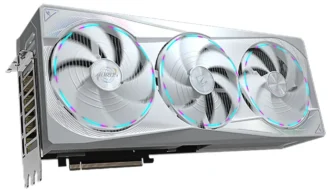
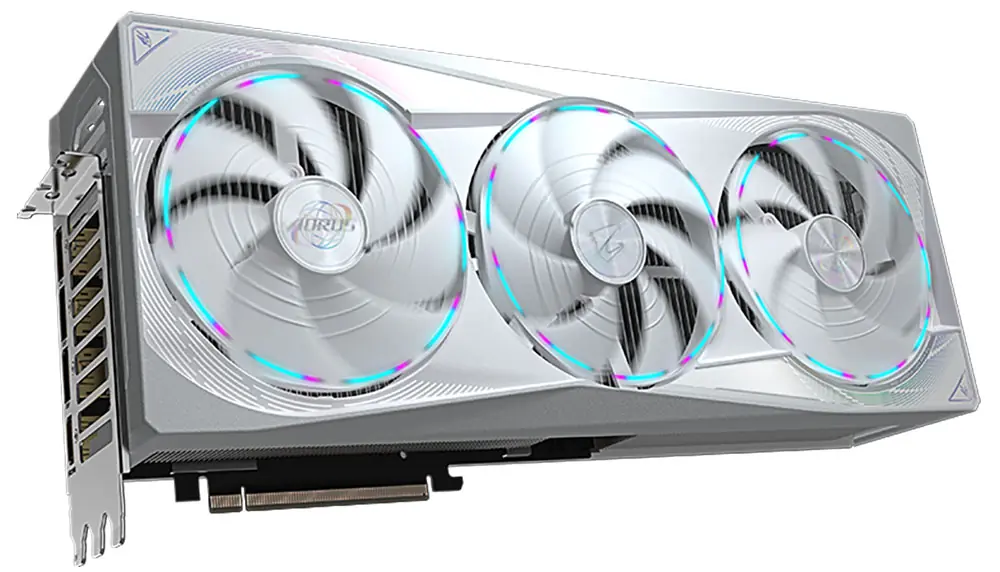
Reports have emerged from users of the Gigabyte RTX 5080 AORUS Master graphics card regarding significant thermal gel leakage. This issue, which has surfaced within just a month of use, raises concerns about the reliability of the new thermal gel technology employed by Gigabyte in their flagship GPU model.
Key Takeaways
- Users report thermal gel leakage from the RTX 5080 AORUS Master after minimal usage.
- The issue appears to be exacerbated when the card is mounted vertically.
- Gigabyte is investigating the problem and may need to revise their thermal gel application guidelines.
Overview of the Issue
The Gigabyte RTX 5080 AORUS Master, a high-end graphics card priced around $1,993, has been reported to experience thermal gel leakage. This problem has been highlighted by users who have mounted their GPUs vertically, leading to concerns about the gel’s performance and reliability. The thermal gel, marketed as a server-grade solution, was intended to enhance cooling efficiency but seems to be failing in real-world applications.
User Experiences
One user from the Quasar Zone community shared alarming images showing the thermal gel leaking from their GPU after only a month of use. They reported that the card was primarily used for gaming sessions of about two hours per day, specifically playing World of Warcraft. The gel leakage was noted to be flowing towards the PCIe interface, which could potentially lead to serious hardware issues if not addressed promptly.
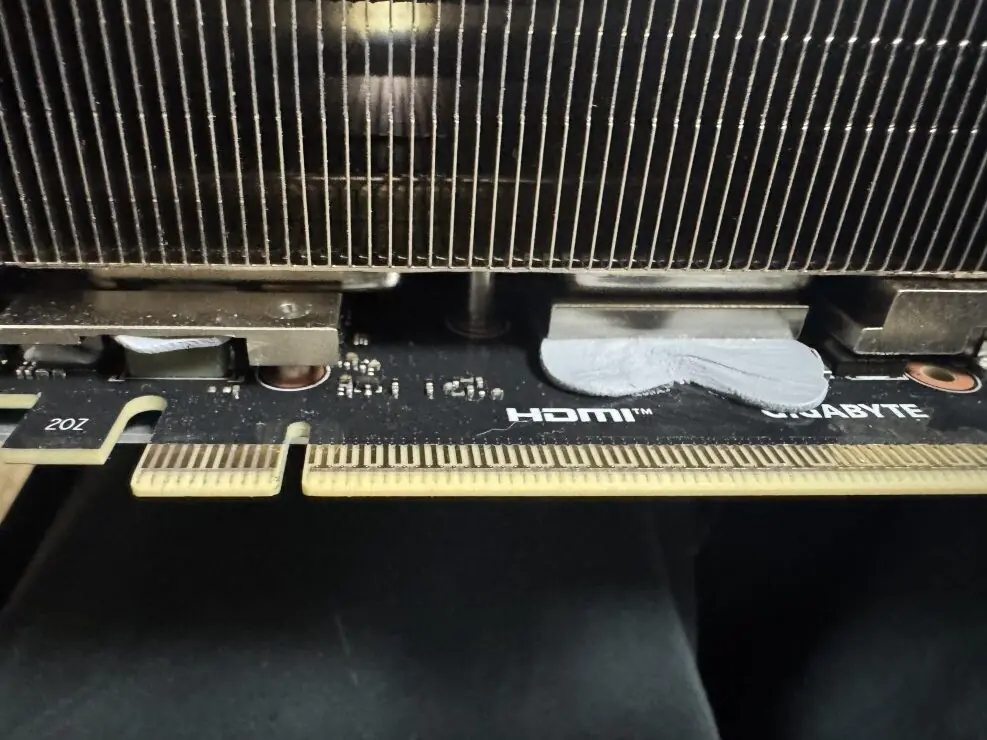
Other users have echoed similar experiences, with at least two additional reports of thermal gel leakage from their RTX 5080 and RTX 5090 models. This suggests that the problem may not be isolated to a single defective unit but could indicate a broader design flaw in the thermal management system of these GPUs.
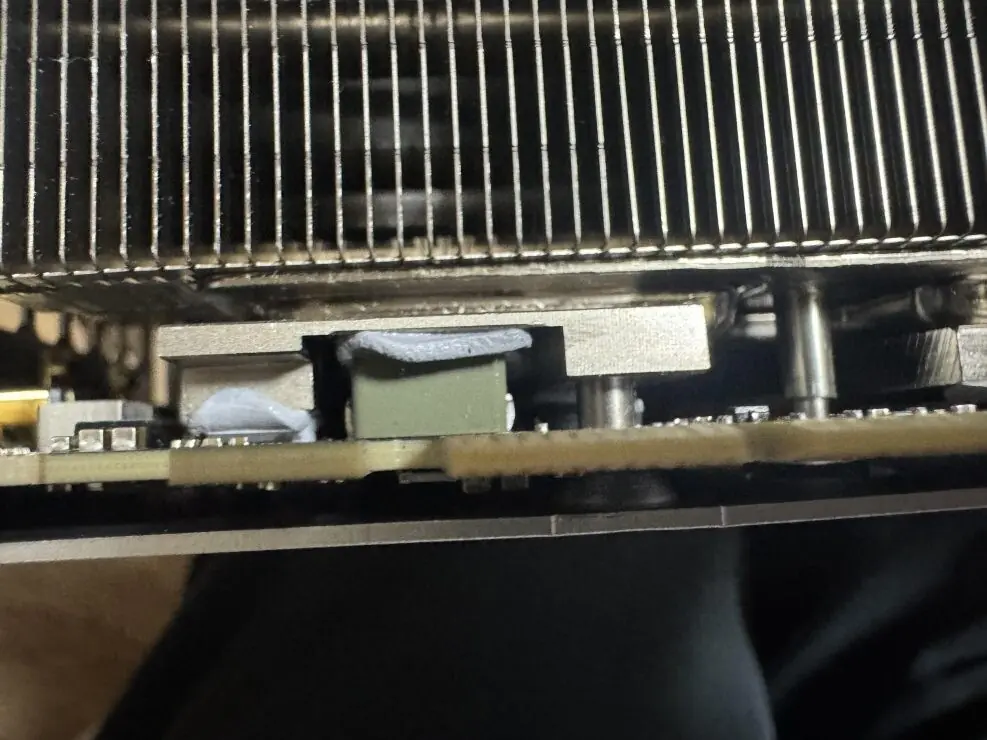
Technical Insights
Gigabyte’s decision to use thermal gel instead of traditional thermal pads was aimed at improving heat transfer and contact with uneven surfaces. However, the gel’s performance under vertical mounting conditions has come into question. Here are some key points regarding the thermal gel:
- Non-Conductive: While the thermal gel is not electrically conductive, its leakage could still pose risks to the GPU’s functionality if it reaches sensitive components.
- Application Concerns: The amount of gel applied may be excessive, or the application process could have been flawed, leading to the observed leakage.
- Vertical Mounting Risks: Users are advised to mount their GPUs horizontally to avoid potential issues with gel flow towards the PCIe slot.
Gigabyte’s Response
In light of these reports, Gigabyte is reportedly working with distributors to investigate the cause of the thermal gel leakage. They have not yet issued a formal policy regarding the mounting of GPUs using thermal gel, but discussions are ongoing. Users are currently advised to consider horizontal mounting as a precautionary measure until further guidance is provided.
Conclusion
The thermal gel leakage issue with the Gigabyte RTX 5080 AORUS Master raises significant concerns about the reliability of new thermal management technologies in high-performance GPUs. As users await a response from Gigabyte, the situation highlights the importance of thorough testing and quality assurance in the design of premium hardware components. Until a resolution is reached, users may need to exercise caution in their GPU installations to prevent potential damage.
Via WCCFTech