


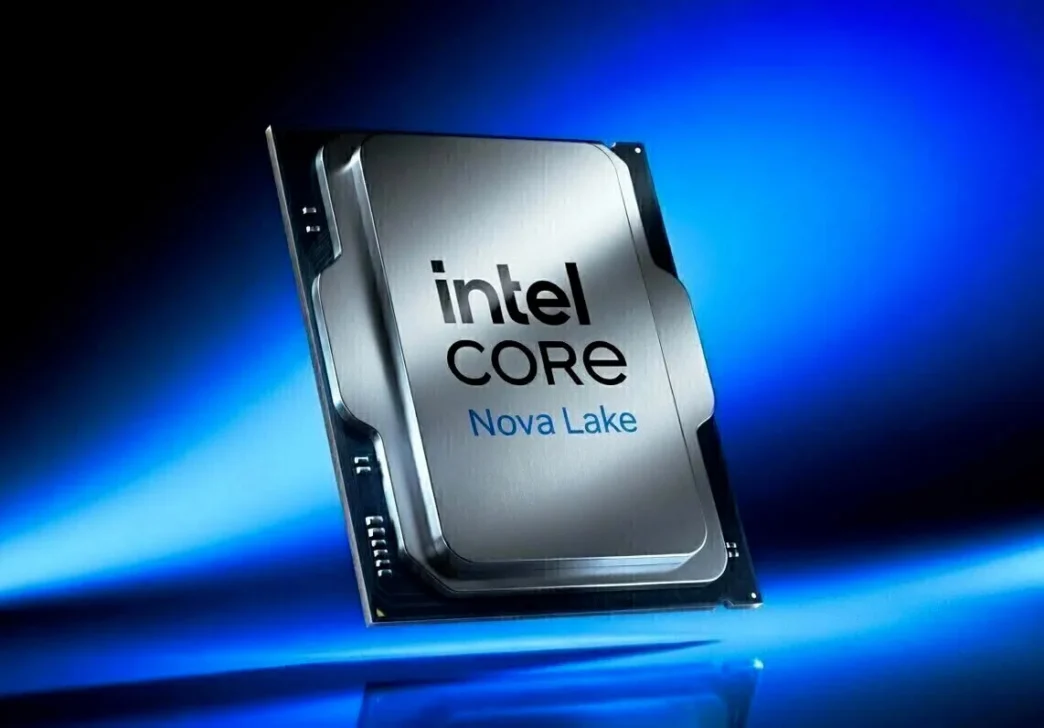
Intel says its next-generation CPU core will debut in consumer desktop processors before reaching data-center Xeon products. The strategy, linked to the upcoming Nova Lake family, contrasts with AMD’s enterprise-first Zen 6 rollout and signals a renewed focus on PC enthusiasts and gamers.
Key takeaways
- Intel’s new core is confirmed to launch on desktop first.
- The core is widely expected to be associated with Nova Lake, although Intel has not officially named it.
- Rumors identify the design as Coyote Cove P-cores and Arctic Wolf E-cores.
- Nova Lake remains broadly scheduled for 2026, with a possible desktop launch in early 2027.
- Xeon processors using related technology are expected to follow.
Robert Hallock, Intel vice president and general manager of the enthusiast channel business, disclosed the desktop-first strategy during an interview about AMD’s decision to introduce Zen 6 with EPYC Venice server processors. “I have a new core. It’s coming to desktop first,” Hallock said, encouraging enthusiasts to compare Intel’s approach with AMD’s release priorities.
Nova Lake targets the enthusiast market first
Intel has not revealed the core’s official name or detailed its architecture. However, Nova Lake is the company’s next major client processor family after Panther Lake, and industry reports associate its performance cores with the rumored Coyote Cove design and its efficiency cores with Arctic Wolf.
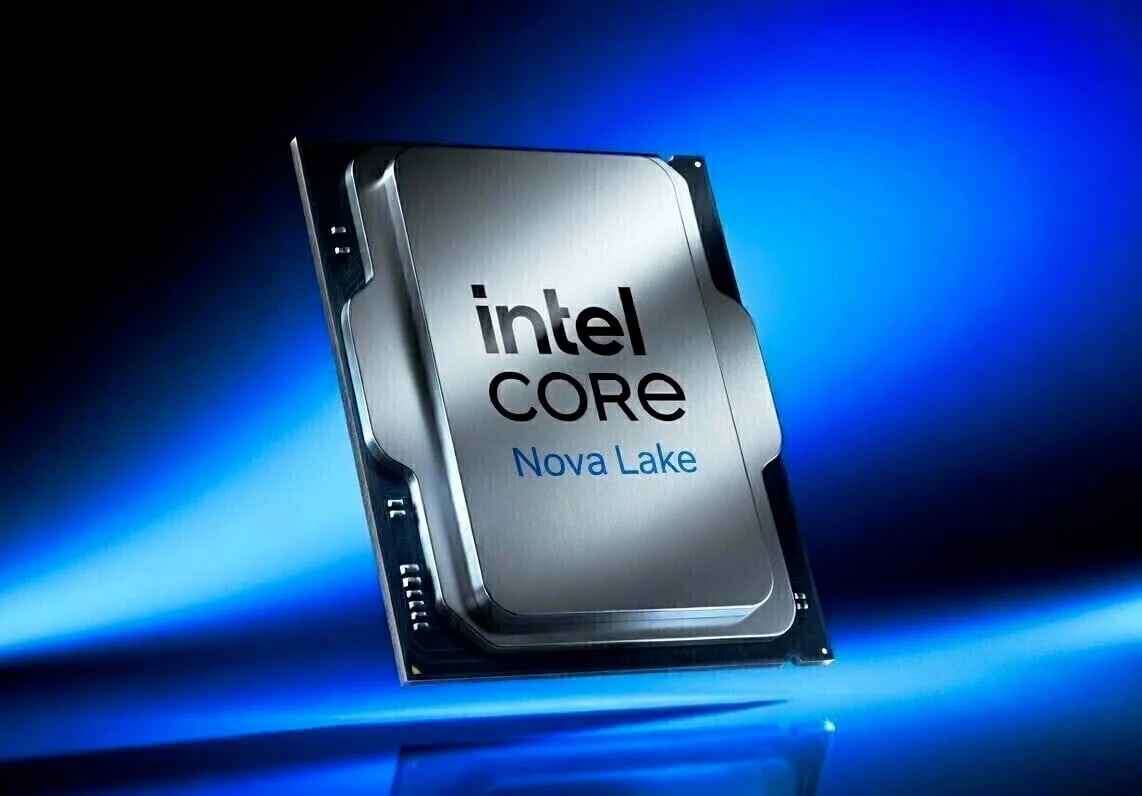
The Nova Lake-S desktop platform is expected to use a new socket and chipset, with reports pointing to an announcement around CES 2027 despite Intel’s broader 2026 roadmap. Specifications, pricing, process technology, core counts, and launch timing remain unconfirmed.
A different strategy from AMD
AMD recently launched its first Zen 6-based processors in the EPYC Venice data-center lineup, reflecting the strong demand and investment surrounding artificial-intelligence infrastructure. Server products can offer substantial commercial returns, but the decision means desktop users must wait for the consumer implementation of the architecture.
Intel’s decision puts its newest core in front of PC builders first. That could help the company rebuild momentum in gaming, where its Arrow Lake launch struggled against AMD’s Ryzen X3D processors. The newer Arrow Lake Refresh models have performed more competitively, providing the team behind Nova Lake with a stronger starting point.
Intel promises a faster desktop cadence
Hallock also said Intel has a desktop and gaming CPU roadmap extending through 2030, with products planned in a “back-to-back” cadence. He described Nova Lake as potentially one of Intel’s most significant desktop CPU launches and said the company is accelerating development for the gaming market.
Those statements are roadmap commitments rather than guarantees of future products. Intel must still demonstrate meaningful performance improvements, competitive power efficiency, stable platform support, and reasonable motherboard and memory costs before Nova Lake can change buyer sentiment.
What desktop buyers should expect
For enthusiasts, the desktop-first announcement makes Nova Lake a more important upgrade to watch. A new core architecture could bring gains in gaming and productivity, while rumored large-cache variants may target AMD’s X3D advantage. Neither the cache configuration nor performance claims have been confirmed.
ThinkComputers will be watching for official platform details, benchmark results, pricing, and motherboard availability. Until Intel provides those specifics, Nova Lake’s launch order is confirmed, but its final capabilities and release date remain partly speculative.
Via Tom’s Hardware