
Since time immemorial, the casino industry has been evolving and adapting to shifting trends. Consider when the first online casino opened in the late 20th century, for instance. This shift brought remarkable changes to the industry, as players could gamble without geographical restrictions.
And because desktop computers were the most popular tools for online participation, operators focused on creating desktop-first websites. But as years went by, mobile phones with advanced features became increasingly popular, forcing operators to change their approach. Thankfully, they weren’t rigid, explaining why mobile-friendly sites like Jackpot City have become the new norm.
As a result of all these transformations, DemandSage values the online gambling market at $117.5 billion in 2025 and expects it to hit $186.58 billion by 2029. But again, do the shifts mean an end to desktop gambling? Will future generations still opt to gamble using these devices? Well, keep reading to find answers.
Everyone is turning to mobiles
Given the convenience of mobile devices, it shouldn’t be surprising that people are using them to do almost everything. Even Exploding Topics agrees, suggesting that over 96% of internet users go online using mobile phones. It is no different in the gambling industry, where these devices account for over 80% of the practice in most regions.
The beauty of mobiles is that you can gamble anytime, from any place, as long as you have a good internet connection. There is no longer a need to get to a particular physical destination where you can access a desktop. Interestingly, Morgan Stanley reports that 77% of customers consider such convenience essential when making purchase decisions.
And since mobile devices offer improved convenience compared to desktops, it’s logical to expect desktop gambling to significantly decline in the coming days. Can you imagine that, according to a 2021 Gambling Commission report, only one in four online gamblers used PCs to participate? Now that mobile phones have become more advanced and popular, you can imagine what this figure will look like in the next few years.
The prevailing need for responsive designs
Remember, mobile phones have smaller screen sizes than desktops. But just because someone switched to them is not enough reason for them to experience frustrating website experiences. The casino industry has become super competitive, and providing such negative experiences can hurt brand reputation, giving competitors an edge.
According to JDM Digital, not tailoring websites for mobile usage could discourage up to 60% of customers from ever returning. Since no brand, including Jackpot City, is ready to endure such a loss, the shift to mobile-first designs makes sense. And even in the broader e-commerce sector, over 90% of businesses have implemented responsive designs.
Responsive designs use flexible layouts to fit website content across multiple devices, eliminating the need for pinching or zooming in on clunky websites. They have, in fact, become a key competitive strategy, helping brands like Jackpot City increase their conversion and retention rates. If players can find seamless experiences on their mobile devices, they may be less likely to use their desktops, unless they engage in games requiring larger screen interfaces.
The place of tech advances
2025’s smartphones are not the same as those of the early 2000s. They have advanced and have become like mini computers in people’s pockets. Some even have computing power equalling or even surpassing many personal computers. Such devices make it possible to enjoy games with high-definition graphics seamlessly. Remember, fast processing speeds have always been one of the main advantages of playing games on personal computers.
Other tech improvements, like the advent of 5G, have made smartphone gambling more engaging. Players no longer need to worry about games buffering when engaging on Jackpot City or any other platform on their mobiles. Images and gaming environments are crystal clear, posing a great threat to desktop engagement.
So, will desktops be completely overtaken?
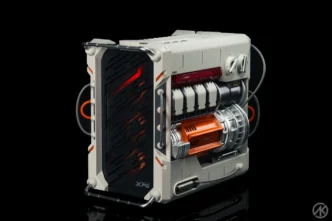
As much as mobile gambling accounts for the largest share, desktops still have unmatched advantages. Consider their large screen sizes, for instance. Even the largest phablet can’t match a 27-inch monitor with hotkey beats. Large screens allow you to see multiple betting markets and game interfaces at once without constant scrolling or pinching to zoom.
And they are usually handy when interacting in fast-moving environments like sports betting, where being able to track shifting lines side by side on one screen can be the difference between catching or missing an opportunity.
When it comes to comfort and immersion, desktops still carry the day. Engaging in a live dealer game on the Jackpot City platform on your PC will never feel the same as using a smartphone. Your PC’s large screen gives a more cinematic feel for these game variations, making the experience closer to a casino night in. And when you want to review transaction histories or analyze gambling patterns, devices with larger screen sizes will be more seamless.
These are all essential aspects of online gambling, reducing the likelihood of desktops being completely replaced. As much as mobile engagement on platforms like Jackpot City appeals to many for its convenience, it still has limitations. It may not be able to support split windows, pop-ups and other functions that are crucial to online gambling. Because of such limitations, players have been combining mobile and desktop engagement to ensure they get the best of both worlds.