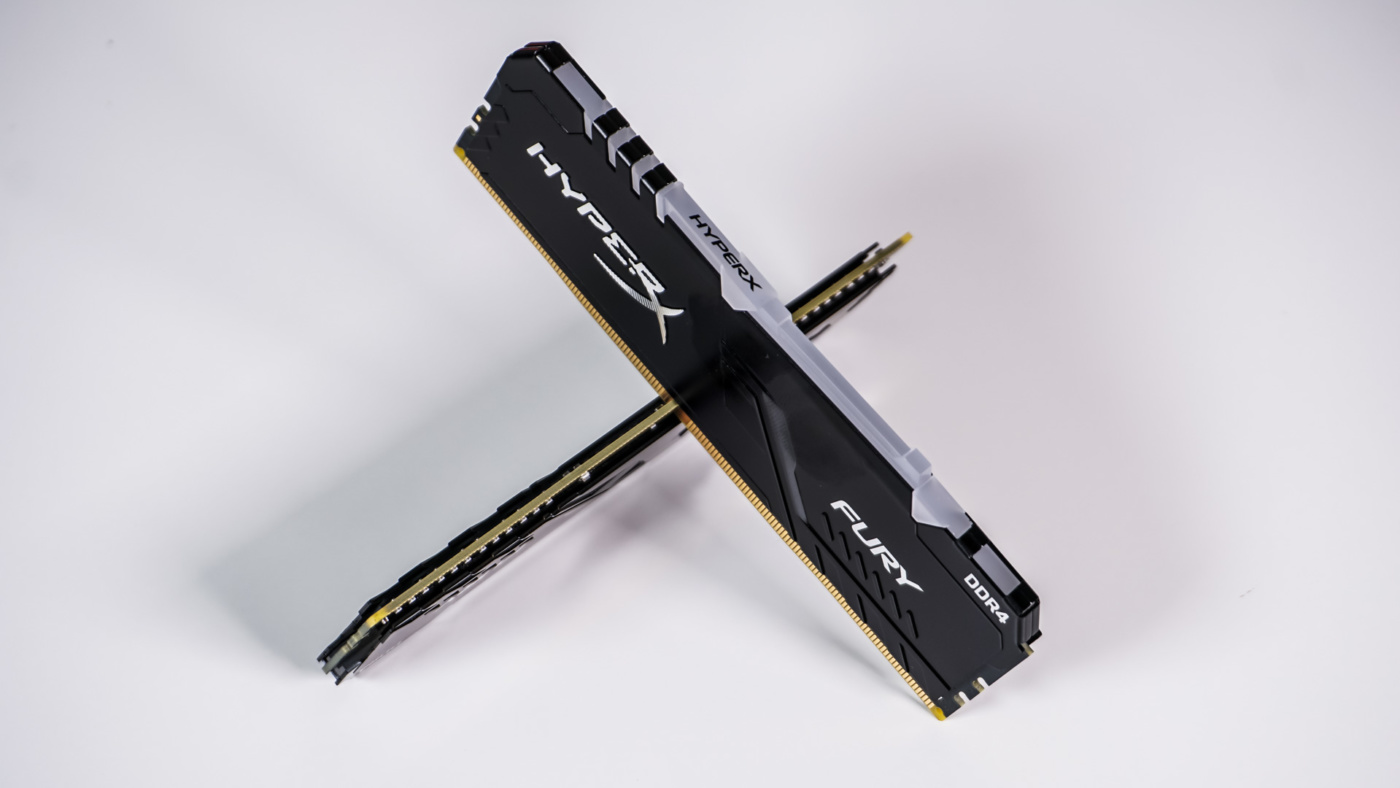
In a significant shift within the semiconductor industry, leading memory manufacturers, including Samsung, Micron, and SK Hynix, are set to discontinue the production of DDR3 and DDR4 memory modules by the end of 2025. This decision is driven by declining demand and the rising popularity of newer memory technologies such as DDR5 and high-bandwidth memory (HBM).
Key Takeaways
- Major DRAM manufacturers are phasing out DDR3 and DDR4 production by late 2025.
- The shift is prompted by low demand and competitive pricing pressures from Chinese manufacturers.
- DDR5 and HBM are becoming the focus for leading memory companies due to their higher profitability.
- Potential supply shortages for DDR4 and DDR3 may arise as production ceases.
The Shift Towards Advanced Memory Technologies
The transition away from DDR3 and DDR4 is a response to the evolving landscape of memory technology. DDR4, which has been a staple in consumer electronics since its introduction in 2014, is now facing obsolescence as manufacturers pivot towards DDR5, which offers improved performance and efficiency.

The demand for DDR5 is being fueled by advancements in artificial intelligence (AI) and cloud computing, where higher bandwidth and faster data processing capabilities are essential. As a result, major players in the memory market are reallocating their resources to focus on these advanced technologies.
Impact of Chinese Manufacturers
Chinese companies, such as Changxin Memory Technology (CXMT) and Fujian Jinhua, have been aggressively entering the DDR4 market, often pricing their products significantly lower than their South Korean counterparts. This price dumping has created a challenging environment for established manufacturers, leading them to reconsider the viability of continuing DDR3 and DDR4 production.
Despite the lower prices, there is still a strong demand for DDR4 memory, particularly in entry-level PCs and consumer electronics. However, the ability of Chinese manufacturers to meet global demand remains uncertain, raising concerns about potential shortages once the major players exit the market.
Potential Supply Shortages
As the production of DDR3 and DDR4 memory comes to a halt, analysts predict that supply constraints could emerge, particularly for DDR4, which is still widely used. Taiwanese manufacturers like Nanya Technology and Winbond Electronics may step in to fill the gap, but their production capabilities are limited to specialized types of DRAM, which may not suffice to meet the overall demand.
The anticipated supply shortages could lead to increased prices for DDR4 and DDR3 memory modules, impacting consumers and businesses that rely on these components for their systems.
Conclusion
The decision by major memory manufacturers to cease DDR3 and DDR4 production marks a pivotal moment in the semiconductor industry. As the focus shifts towards more advanced memory technologies, the landscape of consumer electronics and computing will continue to evolve. While this transition promises enhanced performance and capabilities, it also poses challenges in terms of supply and pricing for existing memory technologies. The next few years will be crucial as the industry navigates these changes and adapts to the new demands of the market.
Via WCCFTech